In brief
After explosive allegations of sexual abuse against César Chavez, memorials and institutions honoring him, including a statue at California State University, Fresno, are under scrutiny. The university has covered the statue and plans to dismantle it. This is part of a broader initiative to reevaluate Chavez's legacy, prompting discussions to rename schools, holiday celebrations, and public places across multiple states. Calls are growing to honor co-founder Dolores Huerta instead.
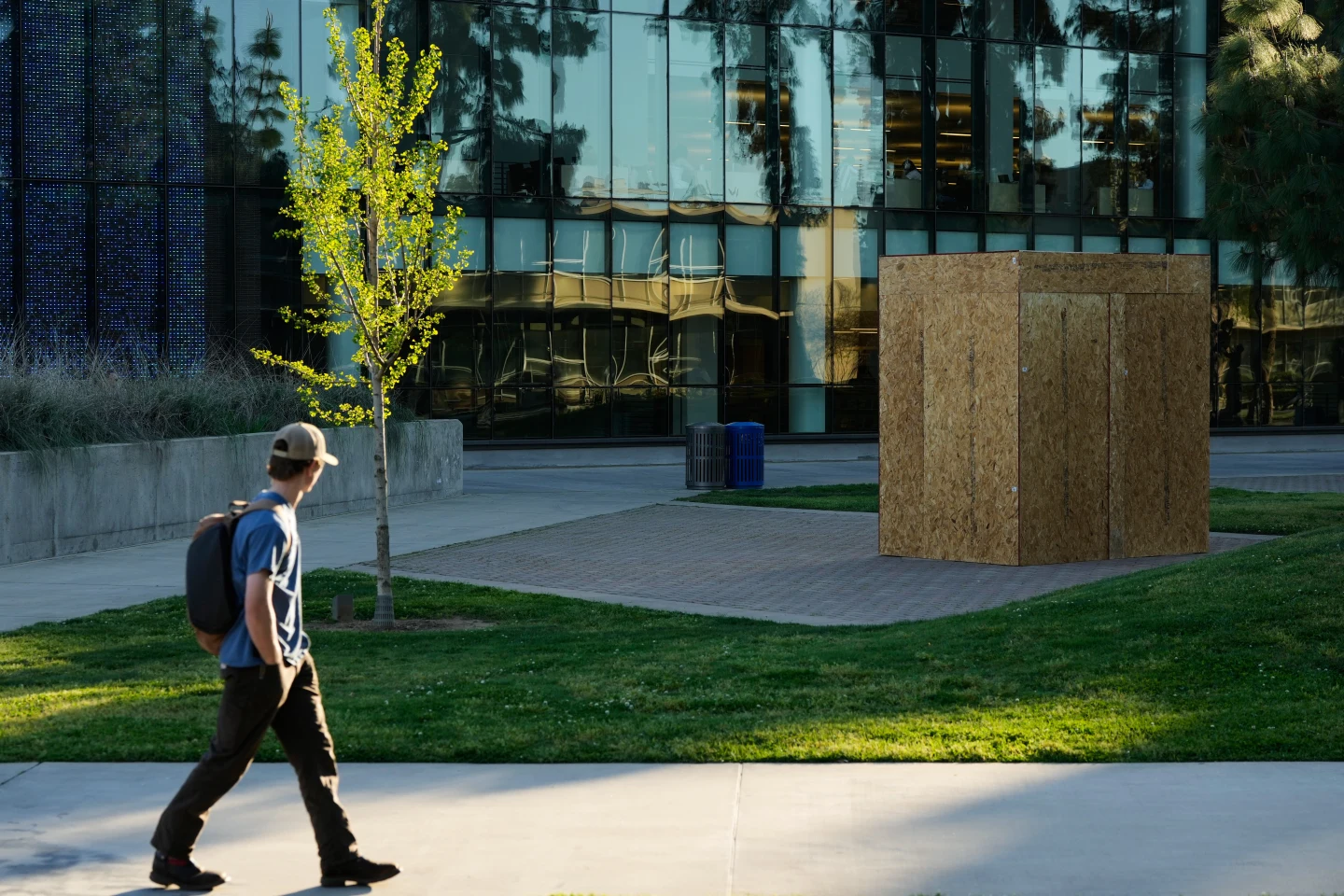
Within hours of explosive sexual abuse allegations against the revered labor leader César Chavez, officials at a California university took swift action: First, a black cloth covered a campus statue of Chavez, followed by a plywood box hiding it from public view. Soon, officials stated it would be taken down.
The statue at California State University, Fresno, is just one of many monuments, city streets, and schools named after Chavez in the U.S. The Associated Press found over 130 locations across at least 19 states honoring him, affecting libraries, community centers, and parks. Overnight, Chávez’s name has acquired a new stigma.
In light of the allegations, institutions across America are rapidly initiating the process of renaming these sites. This includes discussions to change César Chavez Day, a federally recognized holiday commemorating his birthday on March 31. Many planned celebrations for the month have been canceled as well.
The allegations that Chavez sexually abused girls and women, including fellow movement leader Dolores Huerta, call for our full attention and moral reckoning by removing his statue from our campus, said Saúl Jiménez-Sandoval, president of California State University, Fresno, although details on how soon this action can be completed remain unclear.
Significantly, the role of César Chavez as a historical figure has been reevaluated, with advocates calling to honor Huerta instead, given her legendary contributions. In cities such as Phoenix, council members are poised to discuss renaming the holiday and any structures that currently bear Chavez’s name. Mayor Kate Gallego is urging the rebranding of César Chavez Day to Farmworkers Day.
Moreover, Denver has already moved to celebrate the holiday as Sí, Se Puede Day, a slogan closely related to the farmworker movement, and discussions regarding future naming conventions for the park and holiday will continue.
Among those calling for broader changes is Huerta herself, who revealed she was a victim of Chavez's alleged abuse. As the discourse around Chavez’s legacy swirls, institutions face tough decisions about how to honor labor history while also addressing the uncomfortable truths that have emerged.
Overall, more than half of the locations tied to Chavez are schools, predominantly in California, but they extend into states like New York and Maryland. Renaming a national monument requires congressional approval, and this potential shift in recognition reflects ongoing discussions regarding historical figures and their legacies in the United States.