In brief
A year after the Trump administration launched an immigration enforcement campaign against pro-Palestinian activists, a significant case has come to light with the release of Leqaa Kordia. Her case highlights ongoing tensions around immigration policy, activism, and perceived connections to Hamas. Several others, including students and scholars, have faced deportation or legal challenges as U.S. officials continue to scrutinize those involved in pro-Palestinian activism, raising concerns over civil liberties.
NEW YORK (PulseWire) — Over a year ago, the Trump administration initiated a controversial immigration enforcement campaign targeting various individuals involved in pro-Palestinian activism across U.S. college campuses.
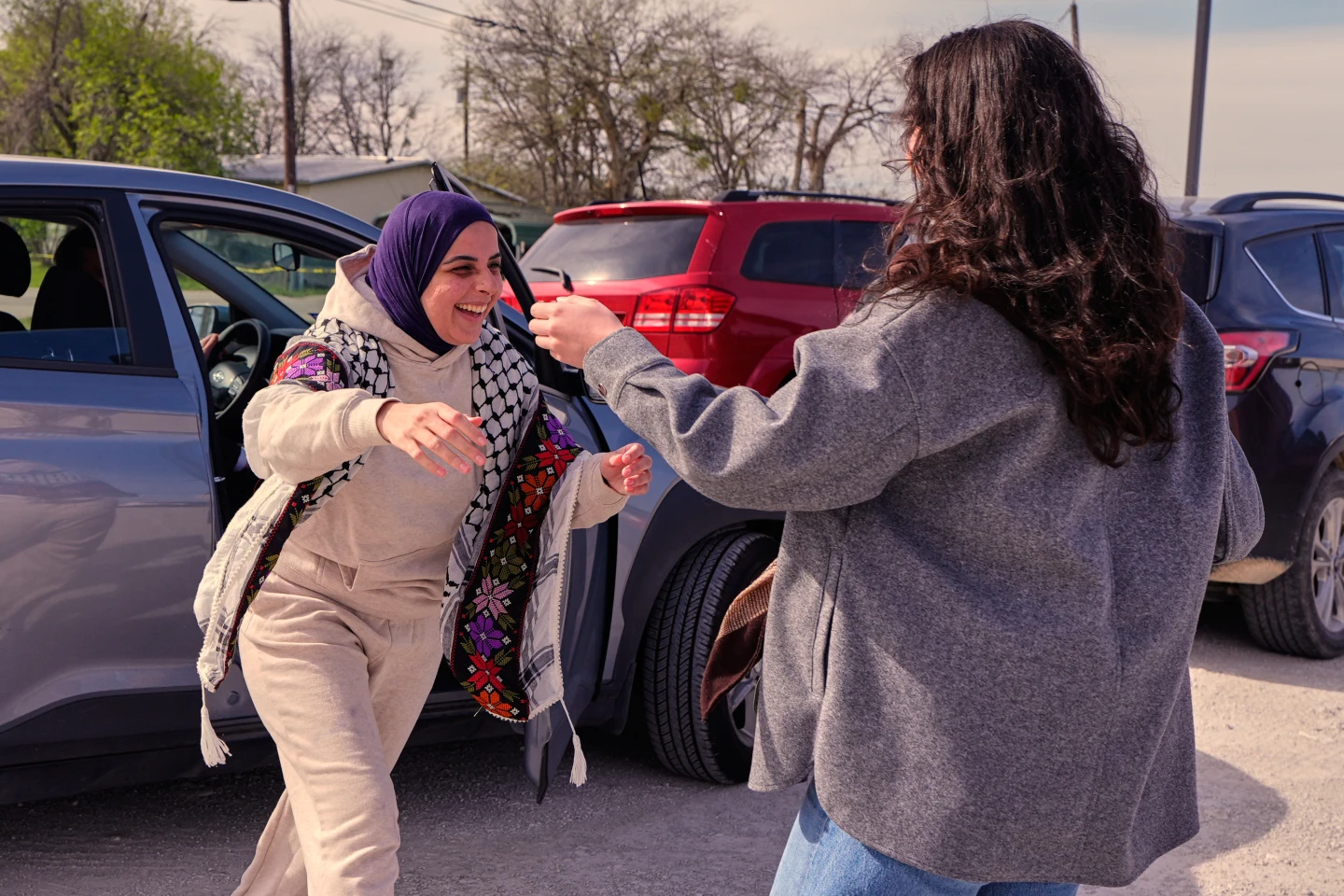
The latest development involves Leqaa Kordia, a 33-year-old Palestinian woman and daughter of a U.S. citizen, who was recently released from detention after the government ceased contesting court orders to free her on bond. Kordia had been detained since March 13, 2025, following her arrest during an immigration check-in in New Jersey. Federal officials accused her of involvement in protests they deemed supportive of Hamas. Although not a widely recognized activist, Kordia was arrested at a 2024 demonstration outside Columbia University. The charges against her from that incident were ultimately dropped.
While Kordia is now released, her immigration case remains unresolved. Authorities allege she overstayed her student visa after departing from an educational program. Kordia maintains that she was pursuing alternative immigration pathways that would allow her to stay in the country legally.
Several other individuals have experienced similar fates. Reports indicate that various students and scholars have either been deported or have left the U.S. upon discovering that their visas had been revoked.
Profiles of Others Affected
Mahmoud Khalil was one of the first known detainees, a Syrian-born U.S. resident and pro-Palestinian activist who faced arrest in connection with protests against Israel's actions in Gaza. Despite being released after 104 days in detention, Khalil now fights a deportation order stemming from his participation in demonstrations labeled as antisemitic by the government.
Badar Khan Suri, a Georgetown University scholar, was arrested during a routine check outside his home. He faces scrutiny due to his family connections in Gaza and accusations of promoting Hamas propaganda—claims he strongly denies.
Rümeysa Öztürk, a Tufts University student, was detained while en route to a meal during Ramadan. Her detention linked back to a student op-ed criticizing university actions regarding Palestinian issues, raising issues of free speech and academic freedom.
These cases illustrate the ongoing struggles faced by pro-Palestinian activists under the current immigration enforcement environment, with fears of retaliation against those voicing support for Palestinian rights.
With Kordia's release, advocates are renewed in their fight against what they see as politically motivated enforcement actions that target individuals based on their beliefs and activism.