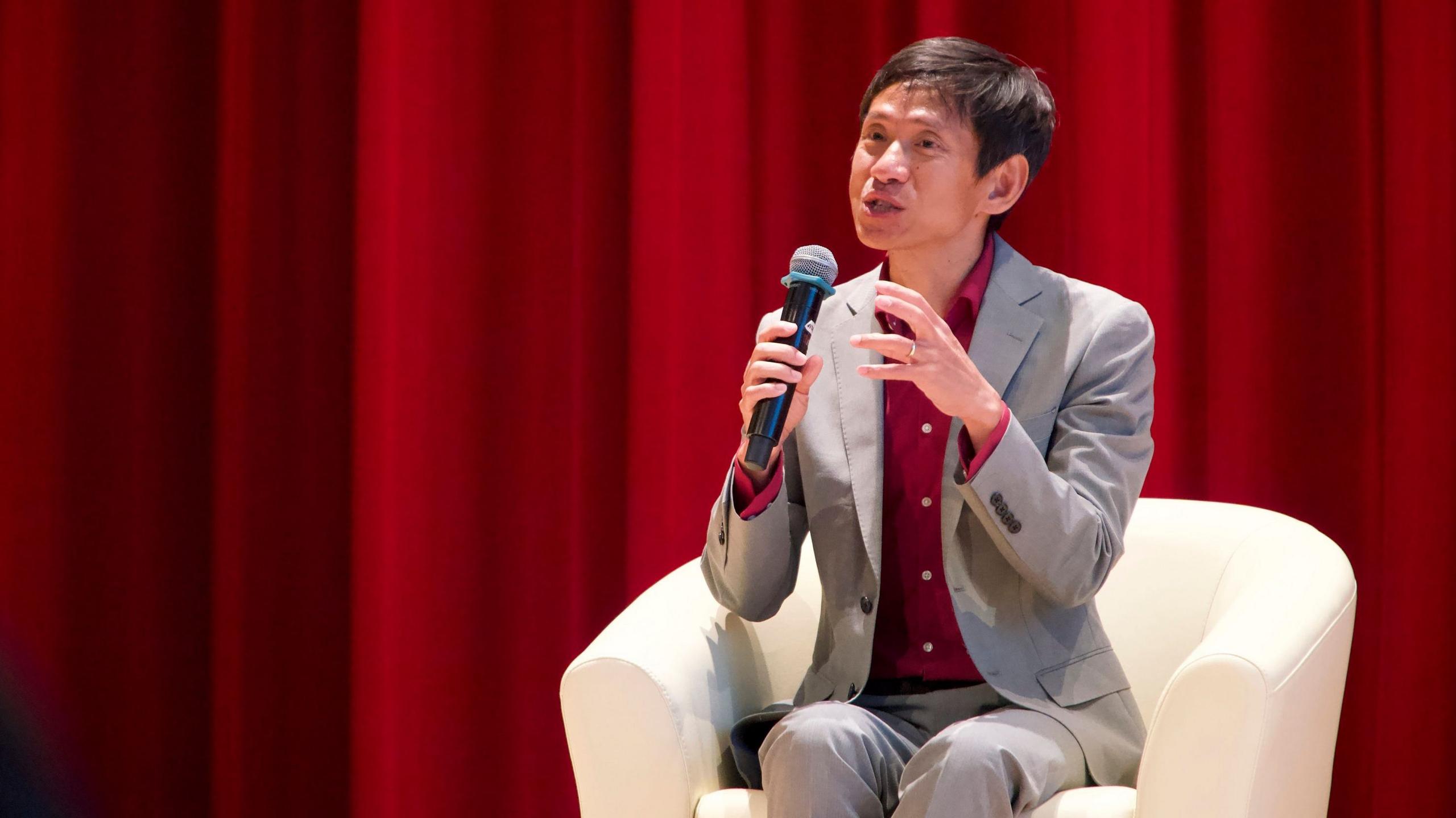
Biao Xiang: China’s New Idol Guiding a Generation Through Anxiety
When Gen Z students in Beijing and Shanghai call a 54‑year‑old professor a “star sent from the heavens”, they’re not talking about charts or new technology. They’re speaking about Biao Xiang, an anthropologist whose candid talks on anxiety have become a cultural touchstone for a generation afraid of the future.
Xiang’s first public talk that drew a packed auditorium in Singapore involved over 500 people – most of whom were Chinese diaspora – standing in line for minutes after the lecture to pose for photos and ask questions. “When in doubt, ask Biao Xiang,” has become a phrase that Chinese media now uses, reflecting the demand for a safe space to discuss anxiety in a country that censors open criticism.
As China’s economy and technology sector speed, a new generation faces relentless pressure: a shrinking job market, the “curse of 35” where hiring cut‑offs by age become a barrier, and an education system that now demands top grades for limited spots. Xiang frames this as the modern “involution” – intense competition with little payoff – and the recent phenomenon of “floating”: people who work tirelessly yet feel adrift, attached to a goal that feels out of reach.
In a recent interview with the BBC, Xiang explained, “People need an anchor in their life. If they only see the very near – themselves – and the very far – the world – they forget the space in between, the ‘nearby’. That’s why they feel disconnected.” He encourages listeners to ask questions and “crouch down to face real‑life dilemmas” rather than escape.
Biao’s popularity is not without risk. Many of his academic peers see his public engagement as a threat to their reputations, and he has had to navigate Chinese censorship carefully. Yet he embraces the label, saying, “If someone calls me an influencer, I take it as a compliment because it means people are thinking for themselves.”
The professor’s background – growing up in industrial Wenzhou during China’s rapid post‑Mao reforms – informs his views on how the old hard‑work formula no longer guarantees stability. Youth unemployment hit 21.3% before officials stopped publishing the data, and the promises of “good jobs” and “stable careers” are increasingly seen as a fairy‑tale.
Social media has amplified Xiang’s reach. A post on RedNote that summarizes his approach—“He never spouts empty platitudes; he faces real‑life dilemmas among us”—earned thousands of likes in a single day. Yet it is the direct, compassionate language of a foreign university professor that resonates, offering Chinese youths a new narrative beyond the relentless rat race.

In short, Biao Xiang exemplifies a pivot in China’s youth culture, where the search for meaning now includes listening to a thirty‑somethings on a university podium instead of chasing conventional markers of success. As his influence grows, the question remains: will this new idol be enough to soften the grind that drives the nation’s next generation? The answer is still unfolding, but his voice is already charting new territory for millions who feel left behind by the tide of progress.