In brief
President Donald Trump announced the U.S. will increase tariffs on Canadian automobiles and parts from 25% to 50% effective January 1, reigniting a trade dispute that collapsed earlier this week. Canadian officials, led by Prime Minister Mark Carney, announced a government-backed counter‑tariff and a broad economic resilience plan, including new icebreaker funding. Ontario Premier Doug Ford demanded a sharp response, vowing to charge the U.S. higher rates for oil, gas and minerals. Canadian businesses are reassessing supply chains amid fears of steep price hikes, especially in the automotive sector. The dispute threatens to unravel the USMCA, potentially dragging Canada into recession and pushing the U.S. and Mexico to re‑evaluate trade alignments.
Trump’s threat marks a sharp escalation in U.S.‑Canada trade tensions. On Monday President Donald Trump announced that U.S. tariffs on Canadian cars, trucks and auto components would rise from 25% to 50% with a January 1 midnight deadline. This coincides with the collapse of last week’s trade talks, which ended when Canada walked away a few minutes before a U.S. deadline.
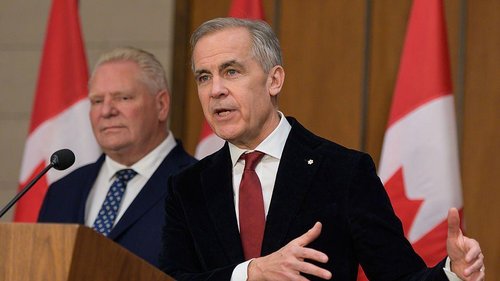
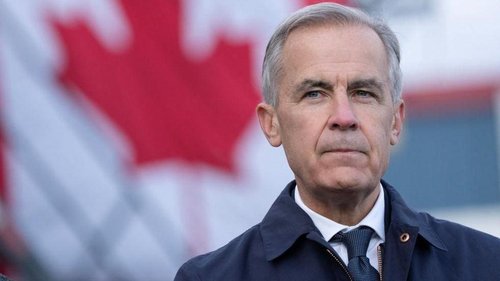
Prime Minister Mark Carney condemned the move, calling it a deliberate attack on Canada’s auto industry. Carney vowed that Canada would retaliate with equivalent tariffs, promising a “dollar‑for‑dollar” response that would likely affect U.S. goods as well. The Canadian government announced a comprehensive counter‑tariff package, supported by a C$11 bn ($7.95 bn) investment in icebreaker ships to open winter shipping routes for the Canadian Coast Guard.
Ontario Premier Doug Ford fired back at the president, telling him to “kiss my ass” and warning that Canada could hit the U.S. with higher rates on oil, gas, electricity and critical minerals. Ford’s comment followed Trump’s own post on Truth Social where he called Ford’s remarks “bluster” and threatened harsher consequences.
U.S. and Canadian officials blame each other for last‑minute demands that led to this breakdown. U.S. Trade Representative Jamieson Greer said Canada added un‑acceptable clauses that limited Canada’s future trade‑deal partners; Canadian officials said their U.S. counterparts introduced abrupt changes.
The ripple effects are already being felt in businesses on both sides. In Portland, Oregon, owners of Paloma Clothing anticipate a 50% price jump on their best‑selling Canadian‑made pillows if tariffs take effect overnight. Industry analysts warn that the U.SMCA could unravel under this pressure, potentially dragging Canada into recession.
Additional reporting by Ana Faguy.