In brief
Prime Minister Mark Carney has abandoned a last‑minute trade agreement with President Donald Trump amid allegations of unfair U.S. terms. The decision marks a key political test for Canada as it confronts the Biden‑era “America First” tariffs that threaten vital export sectors. Carney dismisses U.S. proposals as a power play and vows a tougher stance, sparking debates across provinces over the cost of counter‑tariffs on U.S. goods. The move highlights the growing trade tension between the two countries and a potential shift in the dynamics of the US‑Mexico‑Canada Agreement. Canadians prepared for economic pain but seek a more balanced deal in the long run.
Canada takes a hard line on trade after the prime minister walked away from a late‑night deal with President Donald Trump, causing a sharp escalation in the U.S.–Canada tariff war.
The decision comes after Ottawa rejected a set of U.S. demands that were perceived as giving the United States a free hand in imposing new tariffs on Canadian exports, particularly in the automotive and alcohol sectors.
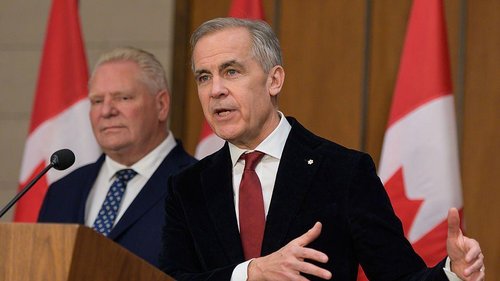
Carney denounced the U.S. proposal as "unfavourable and unfair," adding that the deal’s late‑night changes constituted a power play. He told reporters that the United States was on the wrong side of the table, and that Canada would respond with counter‑tariffs aimed at what he described as a "miscalculation" designed to "hurt and divide.”
The move puts Canada in a tight spot, as 70% of Canadian exports head to the United States and the backlash could affect American agricultural and automotive producers, many of whom rely on Canadian parts and components.
In a statement to Parliament, Carney said Canadians had spent at least C$3.3 billion in lost travel revenue as road‑specified beer and wine were banned from retail shelves in several provinces. The ban has deterred Canadian consumers from buying U.S. products, which in turn has reassured the U.S. government that its tariff strategy has a tangible impact.
Public opinion polls, including a recent survey by Abacus Data, show roughly 36% of Canadians are willing to retaliate against U.S. tariffs, while a Leger poll notes 56% favor a hard‑line stance. Both statistics give Carney support at home, as he seeks to rally the provinces to intervene in the conflict.
Prime Minister Carney’s decision puts pressure on provincial leaders, particularly in Michigan, Indiana, Kentucky and Ohio, where Canadian exports have been hit hardest by the trade war. The Ontario Premier Doug Ford and British Columbia Premier David Eby have publicly supported Ottawa’s stance, vowing that “we’re going to win this fight.”
This confrontation underscores the real risk of a long‑term shift in the U.S.‑Mexico‑Canada free‑trade pact, as US domestic policy pushes for further permits and tariffs. The next day will see whether President Trump or the U.S. Treasury will respond to Canada’s counter‑tariffs, or whether a new, mutually acceptable agreement can emerge from this heated standoff.