In brief
In a series of meetings, US trade officials and Canadian policymakers conferred on a potential trade pact that promises to ease tariff barometers for American agriculture and Canadian strategic sectors. President Trump and Prime Minister Carney hailed the talks as a step toward stability, yet neither side has disclosed the exact concessions or bars to be lifted. The US has paused a wave of new tariffs while Canada seeks the removal of dog‑eating levies on steel, aluminum, auto parts and lumber. Both sides indicated that dairy quotas will stay intact, sparking policy debates in Canada where public opinion leans against major concessions to the U.S. Amid chatter of policy shifts, the deal remains in negotiation limbo, set to resolve a trade stalemate that threatens cross‑border economic resilience.
The U.S. and Canada are close to finalising a trade agreement that could reduce tariffs and protect jobs, but key terms remain unclear as officials hold a series of bilateral meetings.
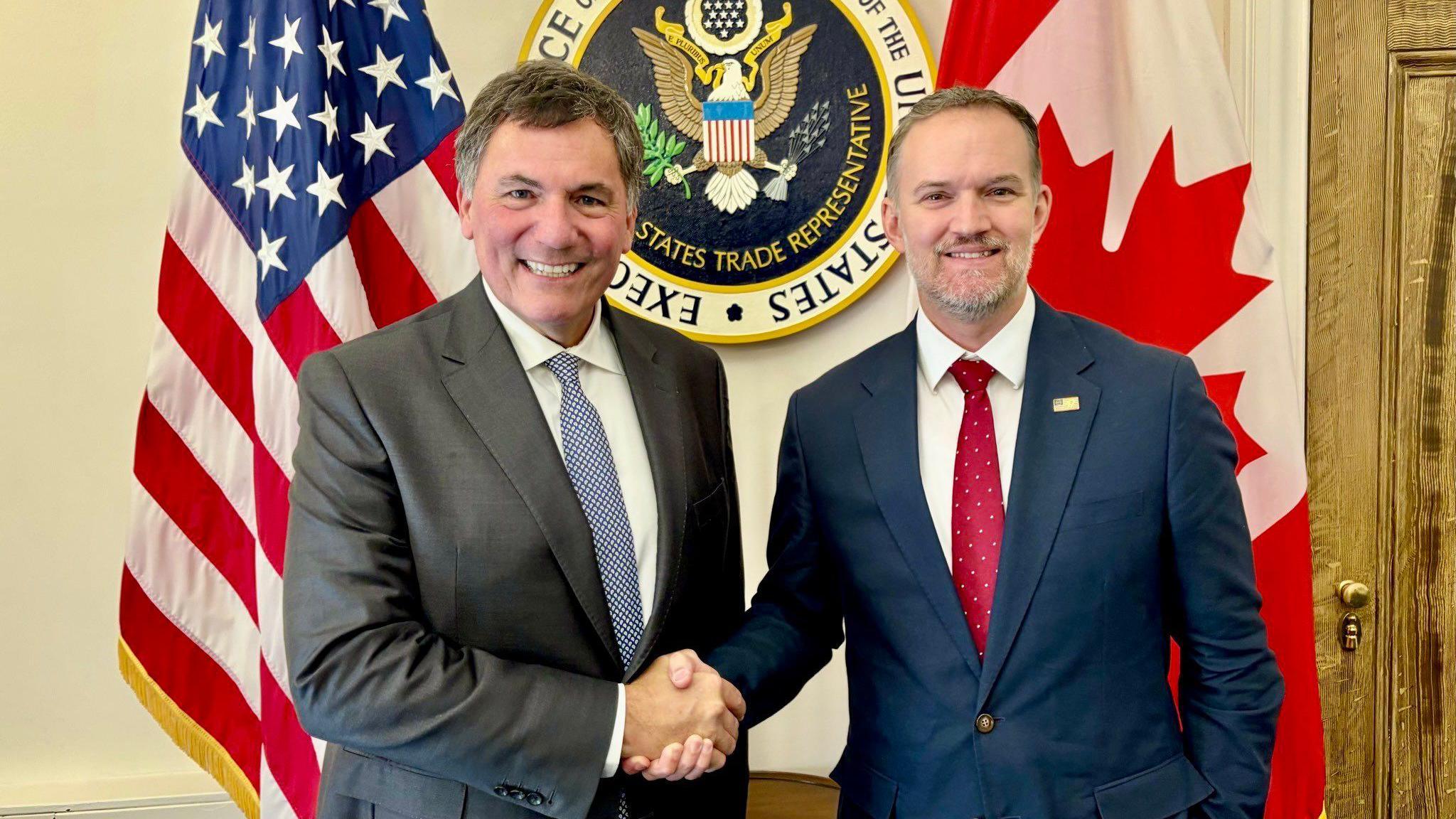
U.S. Trade Representative Jamieson Greer met with Canadian counterparts for the third straight day, pausing a new wave of tariffs the Trump administration had threatened. President Donald Trump and Prime Minister Mark Carney both praised the talks, stating the pact would benefit U.S. farmers and Canadian strategic sectors in equal measure.
The deal is expected to eliminate certain “irritants” that have strained relations, such as Canadian tariffs on U.S. dairy products, though no definitive list has been released. Trump said Canada would drop tariffs on U.S. agricultural imports, with a promised “little bit” of easing on Canada‑side levies. The U.S. is also seeking removal of its remaining retaliatory tariffs on Canadian auto parts, steel, aluminium, and lumber imports.
Despite the progress, commentators note the balance of concessions: Canada maintains its dairy supply‑management programme, while U.S. officials press for greater access for American dairy producers. The Canadian government, meanwhile, wants “entire certainty” over future trade relations without losing hard‑won gains in its strategic sectors.
Public sentiment in Canada leans towards a firm stance, with a Leger survey indicating 56% of Canadians prefer a hard‑line approach if the government must make concessions. Nevertheless, business groups in both countries urge a swift deal, warning that extended tariffs would harm the North American economy.
Both sides plan to brief Congress and stakeholders shortly, promising transparency once the agreement is finalized. The ongoing negotiations aim to secure broader trade certainty across the two largest economies in the region.