In brief
Vice‑President J.D. Vance’s off‑record jibes about Prime Minister Mark Carney may have rattled trade talks that were already exposed by long‑standing frictions. Canada’s new tariffs disrupt over $872 billion of annual trade, while the U.S. clauses a 50% fee on Canadian‑made vehicles waiting till 2027. The dispute echoes Trump’s broader effort to enforce “economic security” as national power, a strategy that has also spurred actions in Venezuela and Iran. With U.S. midterm elections looming, Ottawa’s best‑bet strategy is to pressure Trump into conceding before the vote while Canada seeks more independence from the U.S. economy. The outcome could reshape expectations for North‑American trade and set a blueprint for other allies.
Canada Raises Tariffs, Trump Tests Limits of Power
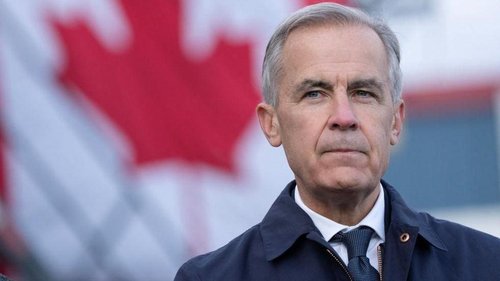
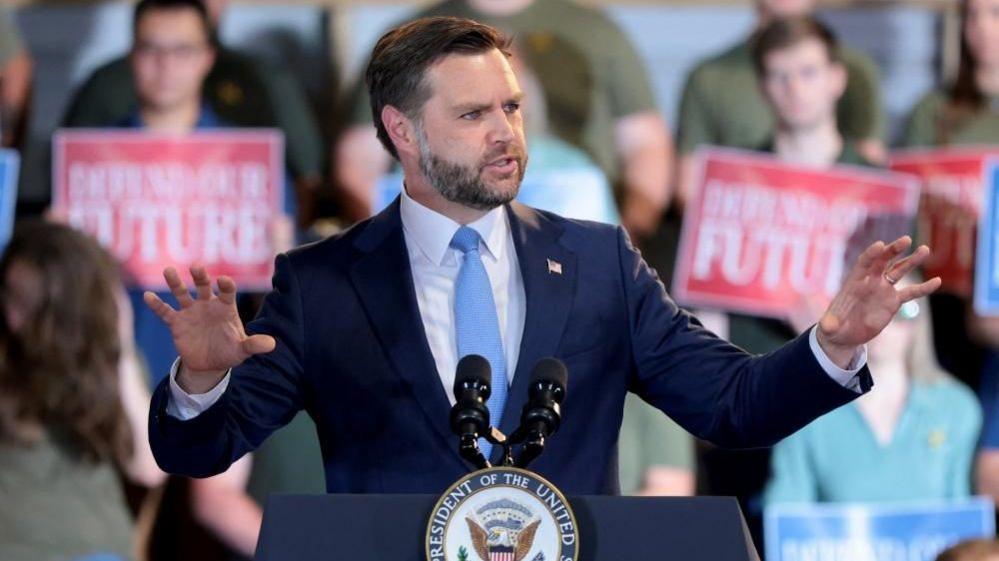
A private audio clip of Vice‑President J.D. Vance describing Canada’s Prime Minister Mark Carney as a “very sweet guy” appears to have given Canadian diplomats a reason to walk away from a U.S. round of trade talks that had been stalled for months. The clip also mocked Carney’s “out‑tough Donald Trump” brag, an exchange that reverberated in Ottawa’s press rooms and may have undercut any small gains the negotiations were making.
Two days after the leak, Canada announced a dollar‑for‑dollar tariff on U.S. goods—most notably a 50% charge on Canadian‑built auto parts and vehicles that will take effect early next year. That setback halts negotiations for a new Canadian‑U.S. trade deal while pressuring Washington to re‑evaluate its “economic security.”
Why Trump’s Fury Aims at Canada
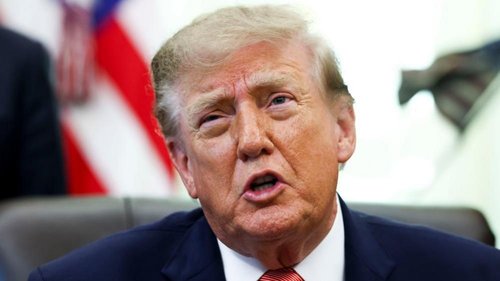
The tension traces back to the Trump administration’s view that Canada was too comfortable on defense while enjoying the bulk of trade benefits. In 2021, the president even suggested that Canada was effectively a “51st state.” Those remarks set the tone for a policy that viewed Canada as a target when American interests felt threatened.
Canada’s deep‑cut tariffs challenge that posture, showing it can inflict meaningful economic pain. They also mirror opportunities other U.S. allies might take: Mexico remains engaged with the U.S. while Canada explores a path toward greater independence from U.S. market grids.
The Political Clock Races Ahead
The forthcoming U.S. midterm elections could tip the scale. A victory for Republicans might embolden Trump, whereas a Democratic win could bite into his authority, giving Canada more leverage to negotiate a favorable outcome. Ottawa has been banking on the U.S. political risk to wear down Trump before the ballot, hoping to secure a trade arrangement that improves Canada’s domestic standings without ceding to American demands.
Looking Ahead: New Colder Hands or Broader Alliances?
If Canada successfully pushes past the U.S. economic umbrella, its mode of “elbow‑up” resistance may set a template for other countries seeking to resist Trump’s global strategy. The trade spat also underlines a fundamental shift: while borders remain, the economic integration of the last four decades may be reaching a break point. Whether this sliver in partnership will widen or recalibrate into a renewed North‑American alliance remains to be seen.
For now, the U.S. delegation must consider a delicate window before its tariffs shift into effect. If it takes too long, the trade war can spiral, impacting businesses on both sides and setting the stage for a longer‑term shift in how North America trades.