US President Donald Trump has warned Iran the 'clock is ticking' as talks to bring the war to an end have stalled.
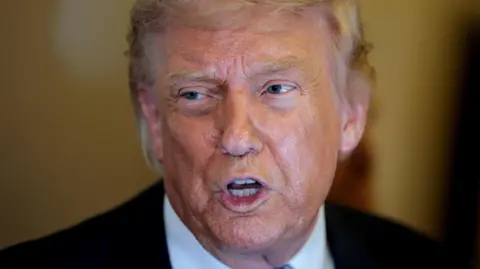
They better get moving, FAST, or there won't be anything left of them, he wrote on his Truth Social platform. TIME IS OF THE ESSENCE!
The message came as the president spoke with Israeli Prime Minister Benjamin Netanyahu on Sunday, the Times of Israel reported, citing Netanyahu's office.
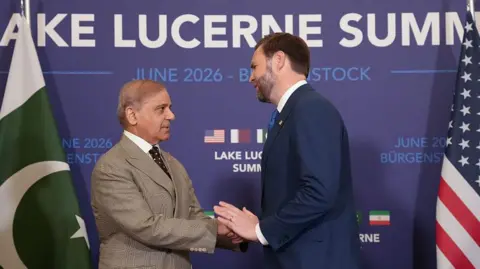
On Monday, Iran stated it had responded to the latest US proposal and that exchanges with Washington were continuing through Pakistani mediators.
As we announced yesterday, our concerns were conveyed to the American side, the country's foreign ministry spokesperson said at a media briefing, the AFP reported.
Iranian media earlier reported that the US had failed to make any concrete concessions to Tehran, with the semi-official Mehr news agency saying a lack of compromise would lead to an 'impasse in the negotiations'.
Trump's message echoed his threat that a 'whole civilisation' would die unless Iran agreed to a deal to end the war, shortly before the ceasefire was announced in early April.
The president warned earlier this week that the truce was on 'massive life support' after rejecting Tehran's demands, labelling them 'totally unacceptable'. Esmail Baghaei, an Iranian foreign ministry spokesperson, insisted that the demands were 'responsible' and 'generous'.
According to Iran's semi-official Tasnim news agency, the Iranian asks included an immediate end to the war on all fronts, a halt to the US naval blockade of Iranian ports, and guarantees of no further attacks on Iran. They also reportedly demanded compensation for war damage and emphasized Iranian sovereignty over the Strait of Hormuz.
Iran's semi-official Fars news agency said on Sunday that Washington had set five conditions in response to Tehran's proposal. These reportedly included a demand that Iran keep only one nuclear site in operation and transfer its stockpile of highly enriched uranium to the US.
Trump suggested on Friday that he would accept a 20-year suspension by Iran of its nuclear program - a major sticking point between the two countries - which appeared to indicate a shift in position away from demanding a total end to it.
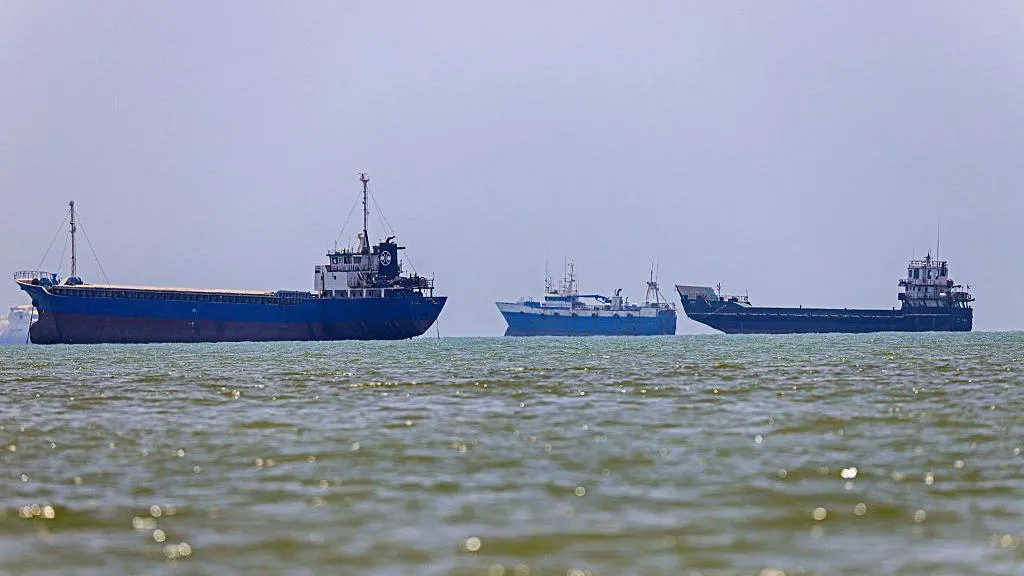
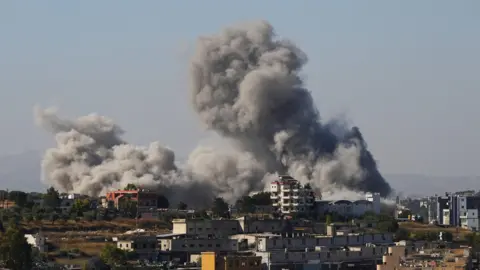
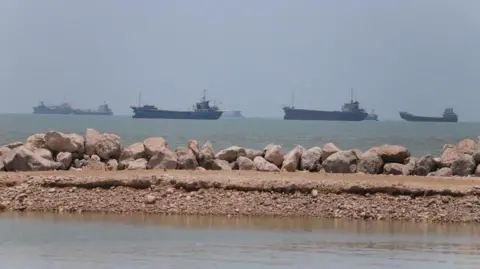
Israeli and US forces began massive air strikes on Iran on February 28. The ceasefire meant to facilitate talks has largely been observed despite occasional exchanges of fire. Iran has continued to control the Strait of Hormuz, effectively closing a vital waterway through which around 20% of the world's oil and liquefied natural gas travels. The move, which Iran stated was in retaliation for US and Israeli attacks, has sent oil prices soaring globally. The US has been enforcing a blockade of Iranian ports to exert pressure on Tehran to agree to its terms. Pakistan has been playing the role of mediator between the US and Iran, but both sides still appear to be far apart.
They better get moving, FAST, or there won't be anything left of them, he wrote on his Truth Social platform. TIME IS OF THE ESSENCE!
The message came as the president spoke with Israeli Prime Minister Benjamin Netanyahu on Sunday, the Times of Israel reported, citing Netanyahu's office.
On Monday, Iran stated it had responded to the latest US proposal and that exchanges with Washington were continuing through Pakistani mediators.
As we announced yesterday, our concerns were conveyed to the American side, the country's foreign ministry spokesperson said at a media briefing, the AFP reported.
Iranian media earlier reported that the US had failed to make any concrete concessions to Tehran, with the semi-official Mehr news agency saying a lack of compromise would lead to an 'impasse in the negotiations'.
Trump's message echoed his threat that a 'whole civilisation' would die unless Iran agreed to a deal to end the war, shortly before the ceasefire was announced in early April.
The president warned earlier this week that the truce was on 'massive life support' after rejecting Tehran's demands, labelling them 'totally unacceptable'. Esmail Baghaei, an Iranian foreign ministry spokesperson, insisted that the demands were 'responsible' and 'generous'.
According to Iran's semi-official Tasnim news agency, the Iranian asks included an immediate end to the war on all fronts, a halt to the US naval blockade of Iranian ports, and guarantees of no further attacks on Iran. They also reportedly demanded compensation for war damage and emphasized Iranian sovereignty over the Strait of Hormuz.
Iran's semi-official Fars news agency said on Sunday that Washington had set five conditions in response to Tehran's proposal. These reportedly included a demand that Iran keep only one nuclear site in operation and transfer its stockpile of highly enriched uranium to the US.
Trump suggested on Friday that he would accept a 20-year suspension by Iran of its nuclear program - a major sticking point between the two countries - which appeared to indicate a shift in position away from demanding a total end to it.
Israeli and US forces began massive air strikes on Iran on February 28. The ceasefire meant to facilitate talks has largely been observed despite occasional exchanges of fire. Iran has continued to control the Strait of Hormuz, effectively closing a vital waterway through which around 20% of the world's oil and liquefied natural gas travels. The move, which Iran stated was in retaliation for US and Israeli attacks, has sent oil prices soaring globally. The US has been enforcing a blockade of Iranian ports to exert pressure on Tehran to agree to its terms. Pakistan has been playing the role of mediator between the US and Iran, but both sides still appear to be far apart.