In brief
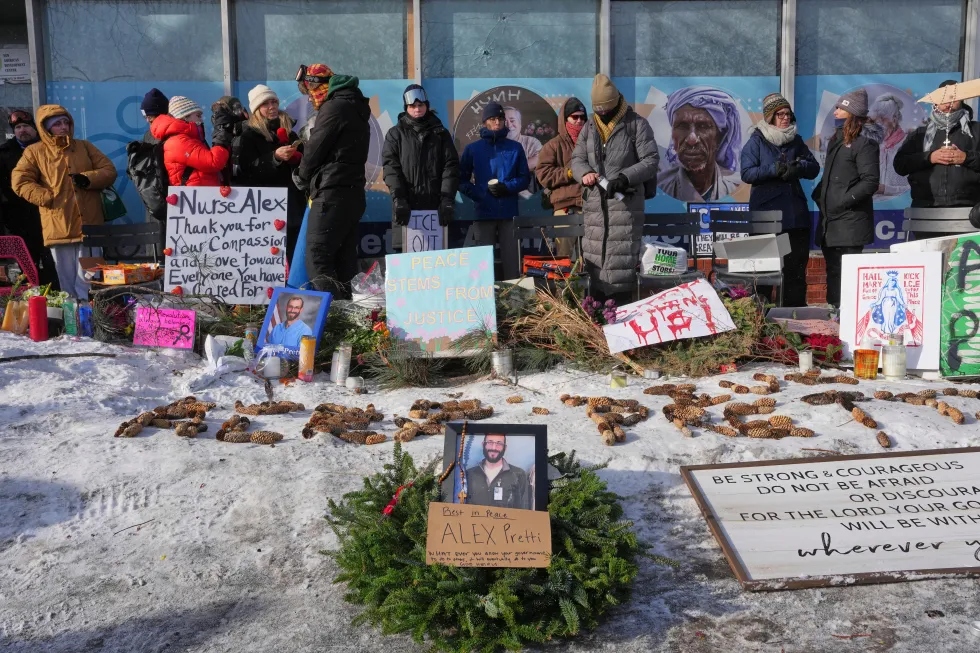
In Minneapolis, Alex Pretti was killed by law enforcement during a protest against President Trump's immigration policies. The Trump administration claims Pretti intended to harm officers, but video evidence suggests otherwise. Senior officials pointed fingers at local leaders and the protester, insisting violence was warranted while protesters and state officials call for peaceful resolution. Events continue to unfold as investigations proceed.
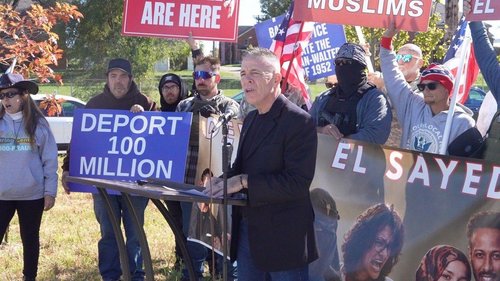
In a tragic incident recently emerging from Minneapolis, Alex Pretti, a 37-year-old protester, was shot and killed during a demonstration against federal immigration enforcement. Officials from the Trump administration quickly asserted that Pretti was an armed aggressor targeting law enforcement during heightened tensions surrounding a crackdown on immigration policy.
Video footage collected by bystanders and reviewed by the press appears to challenge claims made by the authorities. They portrayed Pretti as a violent disruptor intent on causing harm. However, recordings suggest he was merely capturing the unfolding confrontations with his smartphone, raising further questions.
The assertions made by Border Patrol officials suggested Pretti had intentions to inflict maximum damage on law enforcement, with statements labeling him as wanting to massacre law enforcement echoing throughout subsequent news conferences. Homeland Security officials echoed these assertions, linking them to broader patterns of unrest supposedly fostered by local political leaders.
Involved officials from the administration maintained that Pretti's actions represented a precipitating factor leading to the officers’ use of deadly force, claiming he violently resisted attempts to disarm him during the encounter.
Pretti, who was licensed to carry, appears on video to have only held a phone throughout the incident, with no indisputable evidence of him brandishing a weapon prior to the confrontation. This lack of clarity ignites further debates about the justifications of law enforcement in such scenarios.
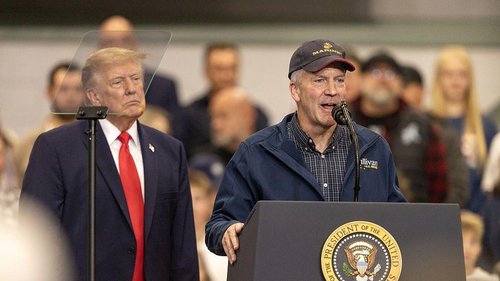
As the landscape surrounding the incident continues to evolve, Trump and Vice President JD Vance attributed Pretti's death to local Democratic leaders, emphasizing accountability in their statements on social media. Both emphasized the chaos purportedly fueled by far-left rhetoric, conjuring a narrative of systemic violence challenging federal operations.
In response, Minnesota Governor Tim Walz and Minneapolis Mayor Jacob Frey pointed toward the peaceful nature of most protestors and underlined the need for public tranquility, pushing against characterizations of all protest actions as violent insurrections.
With investigations ongoing, this narrative sets the tone for future discussions regarding federal overreach, local governance, and the interactions of civilians with law enforcement under politically charged interactions.