In brief
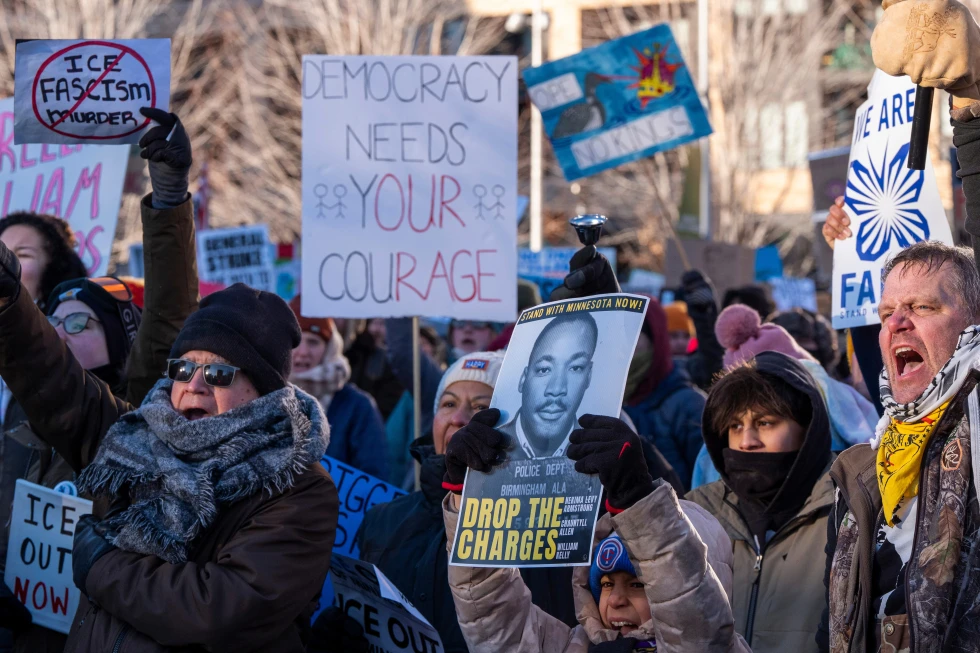
The shooting deaths of protesters Alex Pretti and Renee Good in Minneapolis have triggered widespread anger and reflection on systemic issues within law enforcement. Critics argue that the authorities are quick to defend officers' actions while tarnishing victims' reputations, revealing persistent racial biases in the justice system. Activists, including family members of past police violence victims, call for accountability and highlight the incorrect narratives pushed by officials during investigations.
The shooting deaths of protesters Alex Pretti and Renee Good by federal officers in Minneapolis have raised serious concerns about the deep-rooted issues within law enforcement's narrative practices, especially when juxtaposed with similar past incidents involving marginalized communities.
Families affected by police violence have drawn parallels between these recent killings and their own painful experiences, emphasizing the need for justice and accountability in the face of rapidly released negative narratives aimed at discrediting victims. Timothy Welbeck, director of the Center for Anti-Racism at Temple University, lamented that it took these shootings to renew focus on systemic injustices, stating that the swift defensive posture of police echoes prior cases of violence.
Pretti, a nurse and Good, a mother, have become symbols of the ongoing struggle against police brutality in America. Eyewitnesses reported that narratives depicting them as extremists were based on unsubstantiated claims, leading to family members publicly opposing these characterizations. Clarence Castile, uncle of victim Philando Castile, voiced concern regarding the predictable responses from authorities defending their actions without proper investigation.
Experts have criticized the trend of law enforcement rushing to judgment, urging instead for a more measured approach that prioritizes the integrity of investigations. The moratorium on accurate information only serves to compound the hurt and frustration felt by families seeking truth. Leonard Sipes, a former law enforcement officer, highlighted the necessity for agencies to withhold premature conclusions to maintain their credibility.
Despite the concerns echoed by Black activists who recognize the insidious nature of systemic racism, calls for justice in the deaths of Pretti and Good illustrate the broader implications of police violence, which transcends racial boundaries. Activist Melina Abdullah emphasized solidarity with the victims of police brutality, regardless of their race, reinforcing the message that all lost lives matter.
Frustration over the differential reactions to police violence persists, with many highlighting that the experiences of Black victims have, historically, been marginalized. Activist Tiffany Crutcher, who experienced the police shooting of her brother Terence in 2016, noted the emotional toll of viewing similar tragedies and the enduring struggle to control the narrative surrounding victims' lives and deaths.
The shooting death of Pretti and Good has ignited renewed discussions about the need for accountability, truth, and a reevaluation of narratives surrounding police violence, signaling a potential shift in public perception regarding law enforcement's relationship with the communities they serve.