A woman is currently awaiting execution in Somalia after being convicted of killing a 14-year-old girl in her care.
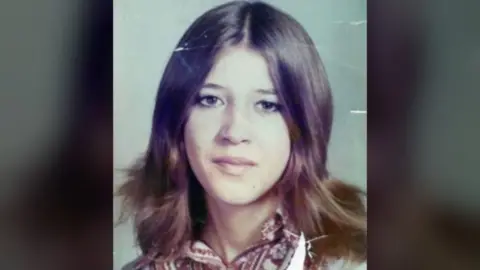
The murder of orphan Saabirin Saylaan in November, and the horrific details that emerged about the circumstances surrounding her death, sparked protests near her home in Galkayo, along with renewed calls for greater child protection.
The case touched a deep nerve in a country where child abuse often goes unreported, especially when it occurs inside extended families.
For many, Saabirin's death symbolised a broader failure in child protection and the slow implementation of legal safeguards meant to prevent such tragedies.
The conviction of 34-year-old Hodan Mohamud Diiriye for murder marked one of the rare instances in Somalia where a court imposed the ultimate penalty for child abuse.
Diiriye had denied the charges and her lawyer has filed an appeal against the verdict.
Her husband, Abdiaziz Nor, 65, was acquitted of murder but sentenced to one year in prison and fined $500 (£375) for negligence.
Saabirin was orphaned when both her parents died within a short period when she was just one year old.
Both of her grandmothers had also died so she was looked after by her late mother's aunt, who ensured she got an education and attended a traditional Quranic school.
But her life took a devastating turn in September after Saabirin's great-aunt agreed that Diiriye's family, who needed a home help, could take her in.
During their investigation, police revealed that in the two months she was living there, the young girl had endured routine physical abuse - she was beaten and tortured.
Evidence recovered from Diiriye's phone, including videos and audio recordings documented repeated violence. Some of these were leaked to the public before the trial – it is not clear who released them.
In one particularly disturbing recording, Diiriye can be heard saying: I'm enjoying your pain. A post-mortem examination of Saabirin's body revealed multiple injuries and deep stab wounds consistent with prolonged violence.
As details of the police investigation emerged, public anger grew.
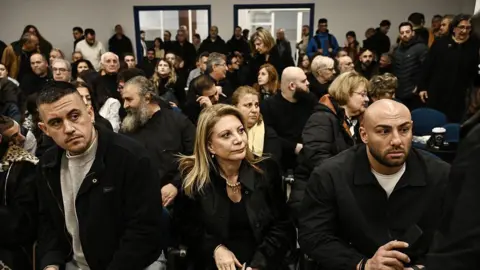
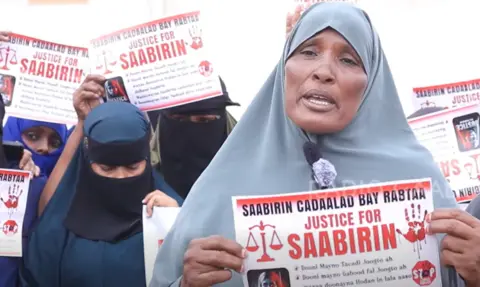
Hundreds of women and young people marched in Galkayo, carrying signs reading Justice for Saabirin and calling on the authorities to prosecute all those responsible.
They gathered outside the local hospital where her body was lying in the morgue. Things got so heated that during one protest demonstrators clashed with police, and a young man was shot dead, though it is not clear who fired the bullet.
Online, young women and girls launched a wave of solidarity campaigns, using hashtags invoking Saabirin's name. No child should die like this, a tearful 18-year-old protester Aniiso Abdullahi said in a clip shared on social media.
We also reject the attempts by traditional elders who want to resolve this case through clan customs or behind closed doors. This is when elders from the clans of those involved in a dispute intervene to avoid revenge and further violence rather than establish criminal guilt. Some kind of compensation is usually agreed.
Child abuse in Somalia is often hidden within households, and extended families are traditionally viewed as safe and private spaces – where the state should not interfere.
Diiriye's trial and other related hearings were broadcast live on social media to ensure public trust in the justice system.
Regional police commander Mohamud Abdihakim said the verdict marked an important moment in the pursuit of justice for the murdered teenager.
The perpetrator is now only awaiting the implementation of the death sentence. If further evidence emerges proving that additional individuals were involved in this crime, they will not be spared, the law will be fully applied to them as well, he said.
Najeb Wehelie, the director of child rights organisation Dhoodaan, said that the case highlights the profound gaps that still exist in safeguarding the most basic human rights of children in our society.
On 1 October this year, Somalia's parliament ratified the African Charter on the Rights and Welfare of the Child, with 130 lawmakers voting in favour, 10 against, and five abstaining.
The decades-old charter outlines legal frameworks to prevent abuse, exploitation and violence against minors.
Its provisions include criminalising all forms of child abuse, strengthening legal punishment for guardians who harm or neglect children, ensuring state responsibility for vulnerable and orphaned children, and establishing monitoring systems in schools, hospitals, and communities.
However, there are significant challenges to implementation due to cultural attitudes and systemic weaknesses that hinder effective response to child abuse cases.
Children continue to face violence inside family homes, and only the most extreme cases ever reach the police, added Wehelie.
While Saabirin's tragic death has spurred necessary dialogue about child welfare in Somalia, many community members remain skeptical about lasting changes within the justice system.