In brief
Shaheen Malik, an acid attack survivor and disability rights activist, continues her battle for justice and rehabilitation for survivors like herself. Despite facing numerous obstacles, including inadequate legal recognition and medical care, she remains dedicated to her cause, advocating for systemic changes that include inclusive laws and better access to treatment for all survivors. With her organization, the Brave Souls Foundation, she provides much-needed support to those harmed by acid attacks and highlights the urgent need for societal change.
Warning: This story contains distressing details
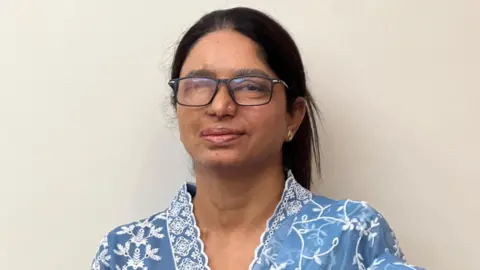
Shaheen Malik, an acid-attack survivor and disability rights activist in India, is fighting an uphill legal and social battle to secure justice and rehabilitation for others like her - and says she will not give up despite the odds.
In 2019, Ruman's* husband allegedly beat her and forced her to drink acid during an episode of domestic violence. The alleged incident left her with severe internal injuries and a damaged oesophagus that had to be artificially reconstructed so that she could eat. Despite years of treatment, Ruman struggles to swallow food and eats little, and at 28, she weighs just 21kg, less than the average weight of an eight-year-old girl.
Shaheen Malik has undergone 25 surgeries after she was attacked with acid in 2009. Malik, 42, has been campaigning for the rights of acid attack survivors for over a decade, and her determination to help others stems from her experience as a survivor. She has fought for justice for herself but is now fighting for others, having faced the legal system that acquitted her perpetrators.
In December, Shaheen petitioned the Supreme Court, arguing for a change in disability law to recognize survivors like Ruman, who suffer internally from forced acid ingestion. She emphasizes that visible disfigurement shouldn't define someone's victim status, as many survivors face significant medical and psychological challenges regardless of outward appearances.
In 2021, Malik co-founded the Brave Souls Foundation with fellow survivor Laxmi Agarwal to provide legal and economic support to survivors who have faced societal rejection. The foundation serves around 50 survivors in its shelter home, offering them care and assistance. Despite operating in a tough environment marked by legal hurdles and social stigma, Malik's efforts have made a significant impact.
Recent Supreme Court directions have sparked hope for better monitoring of acid attack cases and legal developments. However, Malik insists that proper implementation of existing laws is urgent, and she critiques both the slow judicial processes and the continued accessibility of acid, which remains a readily available means for violence against women.
She charges the government with a responsibility to prioritize prevention measures, reflecting a broader need for societal awareness and change to support survivors rather than ostracize them.
*Survivors have shared only one name.