In brief
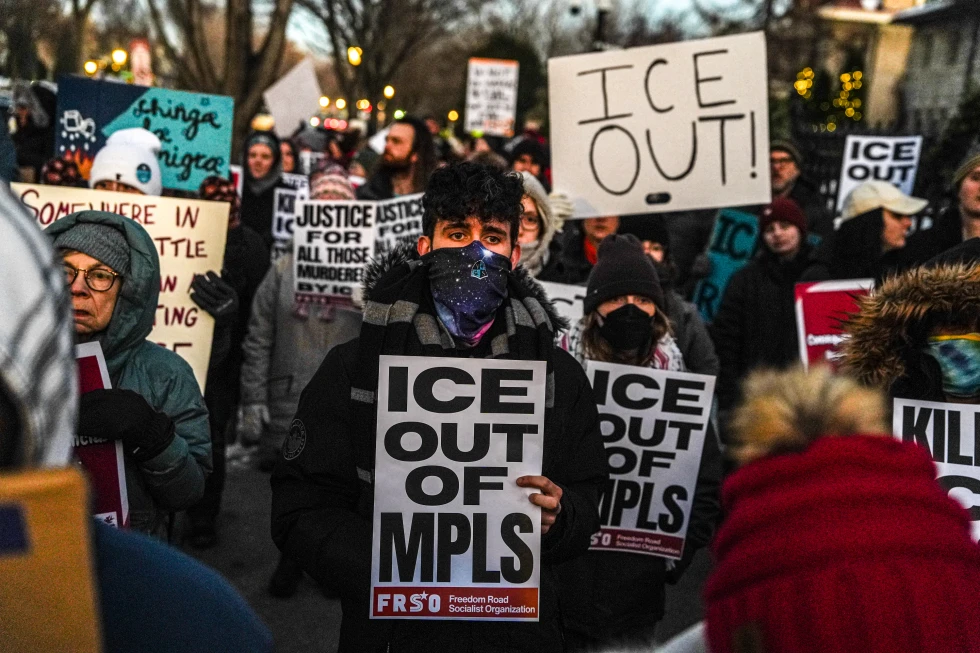
After two and a half months of protests and enforcement actions, the Trump administration has officially ended Operation Metro Surge in Minnesota, which targeted the large Somali community in the area. This operation led to the arrest of 4,000 individuals and two fatal shootings of U.S. citizens by federal officers. Key moments of the crackdown included violence during arrests and persistent protests from local communities against the immigration policies deemed discriminatory.
The Trump administration has announced the end of a massive immigration crackdown in Minnesota after two and a half protest-filled months, 4,000 arrests, and two fatal shootings by immigration officers.
Two U.S. citizens, Renee Good and Alex Pretti, were killed by federal officers in Minneapolis amid the enforcement initiative known as Operation Metro Surge, described by the Department of Homeland Security as the 'largest immigration enforcement operation ever.'
Operation Begins
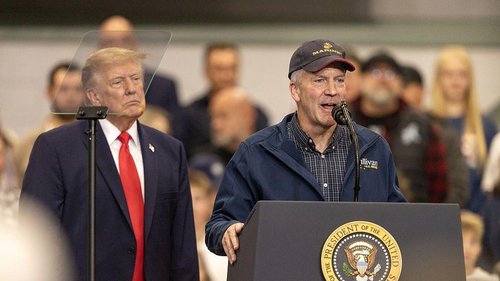
On December 1, the crackdown commenced following escalating rhetoric from President Donald Trump targeting Minnesota's Somali community. The operation was centered in the Minneapolis-St. Paul area, home to a significant Somali population, which Trump claimed was 'taking over' Minnesota. The backlash from local leaders was swift, with Governor Tim Walz condemning the president's characterization as unprecedented.
Notable Incidents
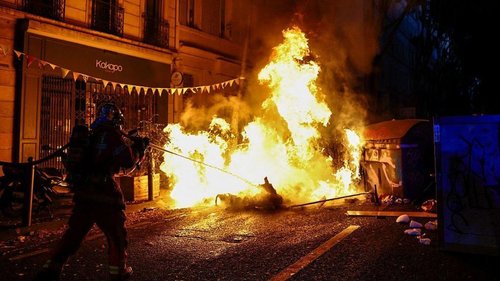
Throughout the operation, numerous clashes occurred between federal agents and community members. A reported 12 individuals were arrested in the early days, raising tensions further when agents employed pepper spray against protesters who impeded their efforts in predominantly Somali neighborhoods.
Fatal Shootings
The operation reached a grim apex when Renee Good, a 37-year-old mother of three, was shot and killed by ICE officers. Video footage of the incident spurred national outrage and allegations of excessive use of force. This was followed by the fatal shooting of Alex Pretti, a 37-year-old nurse, who was killed while intervening during a confrontation involving immigration agents.
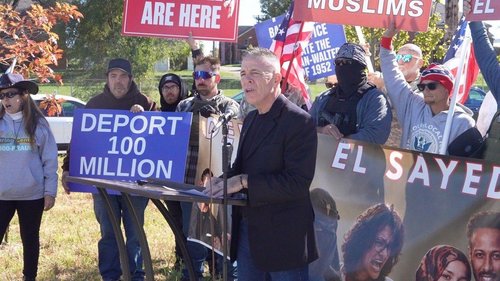
In total, the operation resulted in significant unrest, prompting ongoing protests from residents who aimed to support their immigrant neighbors and question the motives behind such severe enforcement actions.
Conclusion of Operation
On February 12, 2026, Border Czar Tom Homan announced that Operation Metro Surge would officially cease. This announcement comes in stark contrast to similar operations in other major cities, which ended without such public acknowledgment.
As community members reflect on the devastating impacts of the crackdown, the future of immigration policy remains a contentious issue in the ongoing national dialogue.