In brief
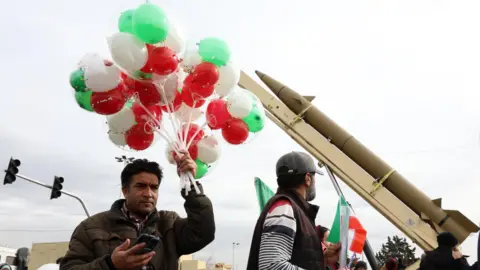
This year’s anniversary of the Iranian Revolution was marked by vibrant celebrations but overshadowed by widespread discontent. Amid fireworks and chants of support for the regime, voices of dissent calling for an end to clerical rule resonated through the city. The atmosphere reflects the growing economic challenges and the pain of recent crackdowns on protests, signaling a significant tension within Iranian society.
When clocks struck nine across Tehran on Tuesday, the night skies filled with sound in celebration of the 47th year of the Iranian revolution. We listened from our hotel balcony as chants of God is greatest rose from rooftops and roared from windows, while fireworks flared in a kaleidoscope of brilliant colours. But this year, amongst the annual explosion of light and sound, there was a discordant note, with screams of death to the dictator echoing in the darkness. This sentiment marked a dramatic echo of the extraordinary wave of protests that swept through Tehran just last month, met with unprecedented lethal force resulting in significant loss of life. The juxtaposition between celebration and unrest was palpable, as the government attempted to respond with a show of loyalty. On the last day of commemorative events, Tehran's streets were flooded with the most loyal supporters of the government. Families paraded under the bright winter sun, waving flags and chanting anti-American slogans, yet the backdrop of economic distress loomed large. Multiple citizens voiced their dissatisfaction not just with rising costs of living, but with a political system perceived as far removed from the populace’s needs. Protests have surged amidst an economic collapse, compounded further by decades-long sanctions. In an address that reflected a blend of celebration and acknowledge of unrest, Iranian President Masoud Pezeshkian addressed the crowd in Azadi Square, attributing dissatisfaction to foreign interference while promising to address domestic concerns. As reports of grave human rights abuses emerge, the Iranian regime now faces its most consequential challenges in decades. Amidst the clash of celebration and protest, many Iranians call for change, demanding their voices and rights be heard, while the path ahead for the Islamic Republic remains turbulent.