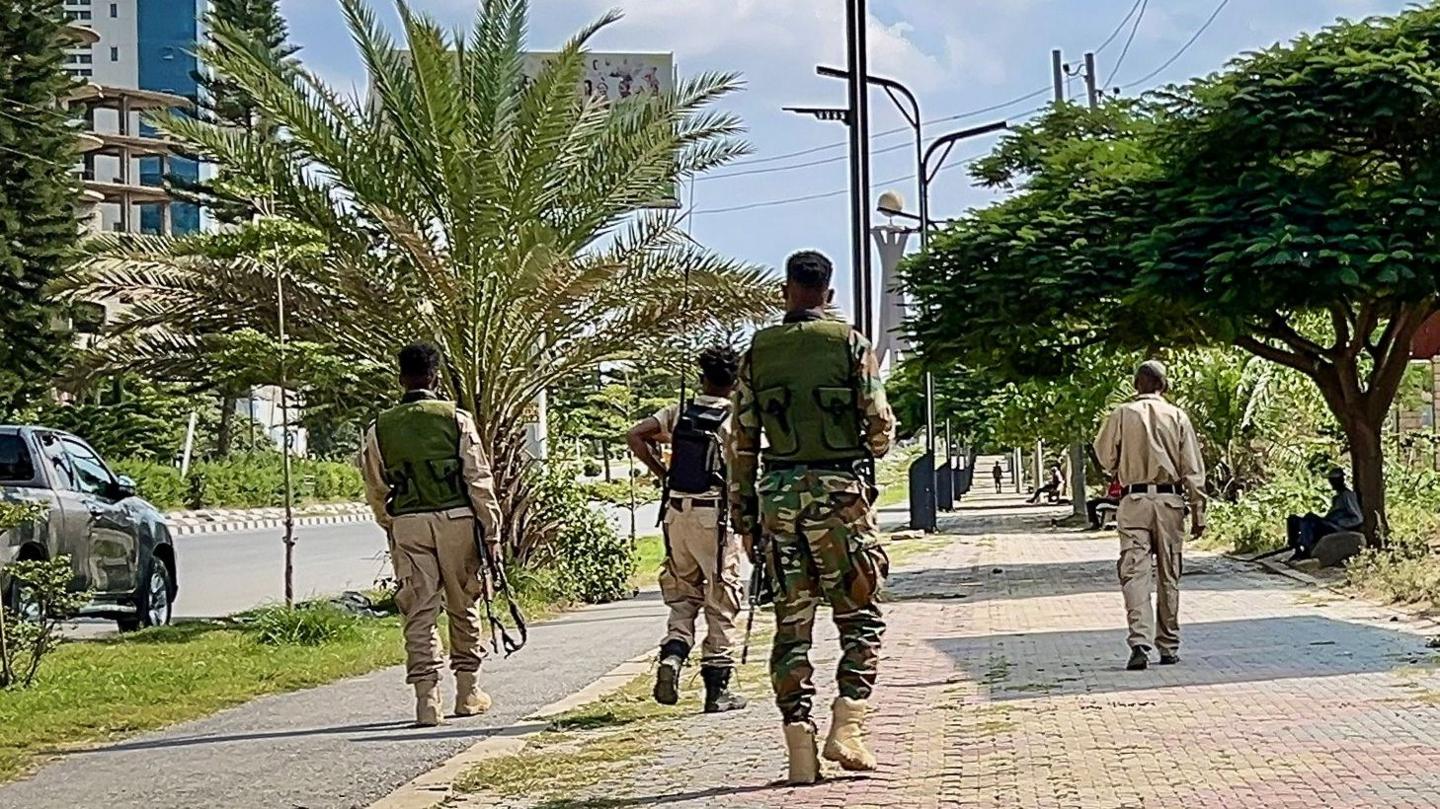
Ethiopia’s government and the party that rules the northern region of Tigray are accusing each other of launching new offensives, a statement that has ignited fresh fears of a full‑scale conflict that residents and observers alike want to see avoided.
Getachew Reda, a cabinet minister who served as an adviser to Prime Minister Abiy Ahmed, said Tigrayan fighters had taken control of federally administered airports in Tigray and had stormed airports in neighbouring Afar and Amhara. Earlier Tigrayan officials had stated that their forces had been forced to enter a “defensive war” after reports of drone strikes.
The two‑year war that formally ended in November 2022 has been marked by a new wave of violence, with the African Union estimating that roughly 600,000 people had died during the fighting and the territory now racing toward famine.
On Sunday the Tigray People’s Liberation Front (TPLF) announced an alliance with six other armed groups that would seek to topple the Addis Ababa government. The alliance was presented as a statement of solidarity against a potential “open invasion” by federal forces.
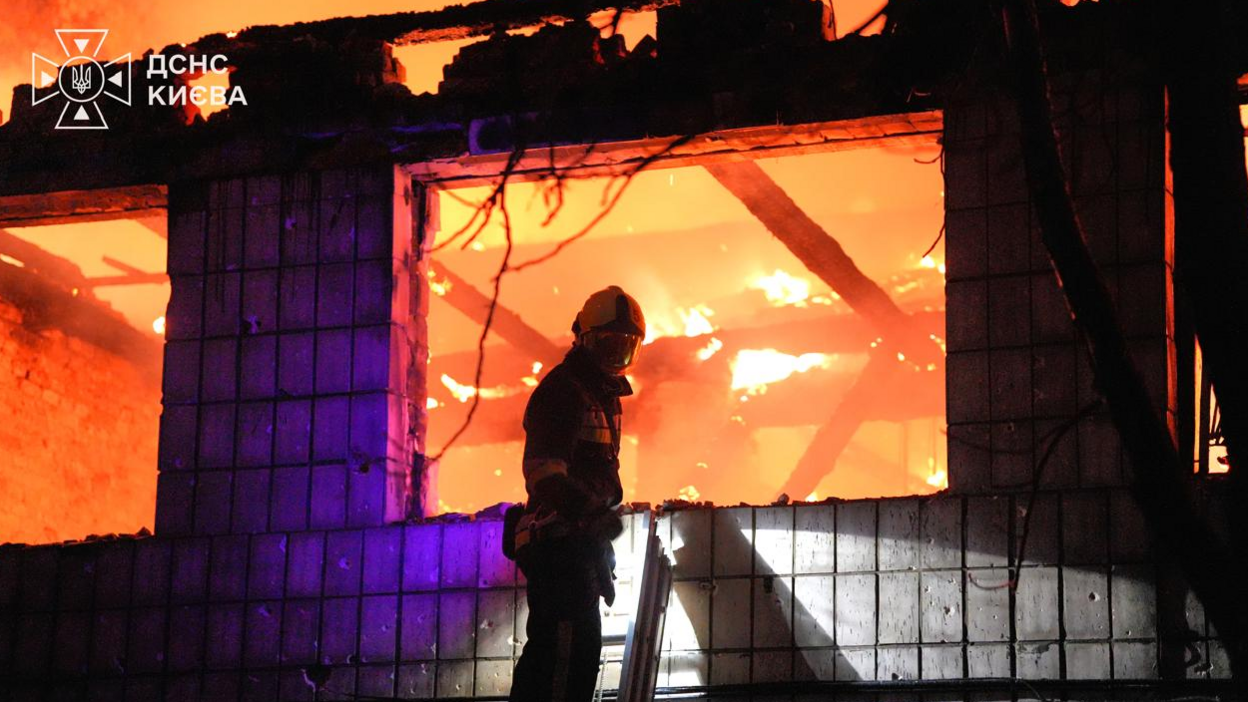
The TPLF claims that the federal government’s new offensive began with a drone strike targeting the town of Alamata, killing at least 14 people and injuring 22. The mayor of Alamata reported that more than five drones and a fighter jet conducted 21 strikes at approximately 03:30, a move that the federal forces claim was to target supposed Tigrayan military positions.
Tigrayan officials have accused Addis Ababa of launching an “open invasion” and have called for unity against external forces, adding that the government has breached international humanitarian law by disrupting public services and vital infrastructure.
International reaction has urged restraint: the African Union Commission’s chairperson Mahmoud Ali Youssouf called for an immediate de‑escalation and the resumption of talks, while the US State Department condemned the TPLF’s offensive as an “unwinnable fight.” The United Nations also urged both sides to investigate civilian harm and to abide by the Pretoria Agreement that ended the war.
The current standoff threatens to derail the fragile peace that has since the war’s end, with concerns that a return to conflict would further destabilise the Horn of Africa and plunge thousands more into famine and displacement. Continuing diplomatic pressure and thorough verification of claims remain critical for preventing a fresh wave of violence.