In brief
In the north‑west Nigerian state of Zamfara, a local woman recounts a brutal night where armed gunmen set rooms on fire and shot anyone who tried to escape. The attack, part of a growing wave of bandit violence, left 70 people dead and displaced hundreds of families, who now live in makeshift camps in the state capital. While government troops and vigilante groups attempt to curb the raids, villages remain under siege, and new threats spill into neighbouring states. The crisis highlights the urgent need for stronger security, humanitarian aid and a comprehensive strategy to protect civilians.
'If you started running, they shot you' - inside Nigeria's growing kidnapping crisis
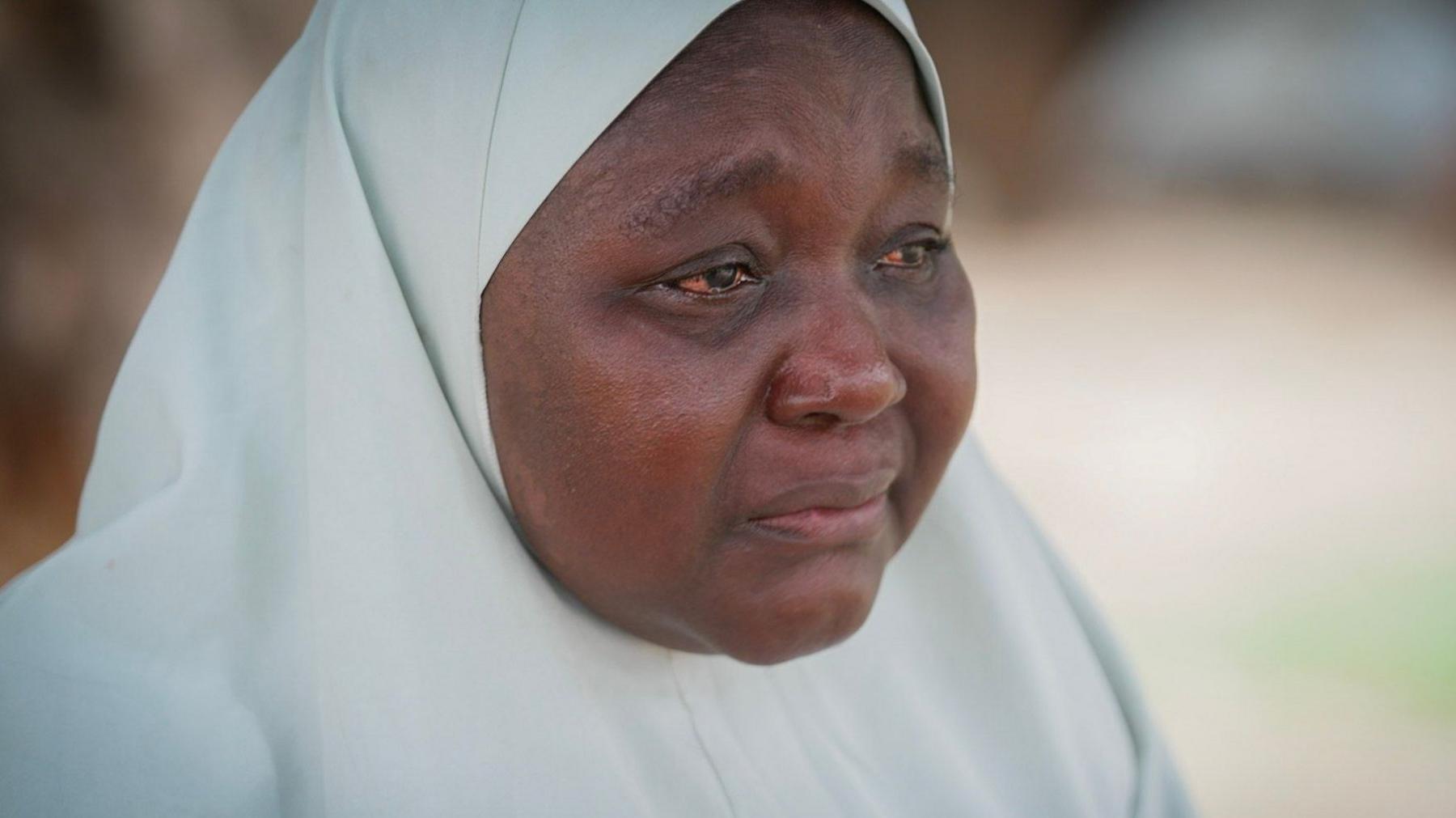
In the deep night of August 26, 2026, armed men on motorcycles burst into the village of Bia Buki in Zamfara. They surrounded homes, set rooms ablaze, and fired indiscriminately. Fatima, a 55‑year‑old mother, survived but lost her husband and six brothers that night. She later moved with her seven children to an emergency camp in Gusau.
The attacks are part of a 78 % rise in incidents over the first half of the year, according to the Armed Conflict Location & Event Data Project (ACLED). Nigeria’s National Human Rights Commission reports a doubling of kidnappings nationwide. The “bandits,” often Fulani pastoralists, have shifted from cattle raiding to theft and ransom, using motorcycles to move swiftly and escape security forces.
In response, thousands joined state‑backed vigilante groups. While some claim these groups deter attacks, concerns rise about extrajudicial killings and lack of control once the crisis passes. The government has increased security budgets and recruited 28,000 new soldiers.
“We are a living memory of terror. Even if we return, we find no homes, no food, and the threat remains.” Fatima urges for more police, better weapons, and genuine protection for villages whose lives are at stake.
Relief remains sporadic; children are sent to gather firewood to sell, yet 22 have been kidnapped. The ongoing violence is reshaping the region, pushing communities into camps and making daily travel a risk.