In brief
A trio of Iranian tankers—Diona, Hero II and Sonia I—were tracked crossing the U.S. blockade line in the Gulf of Oman, carrying a combined 3.8 million barrels of crude oil. This movement comes after President Biden announced the blockade would remain in effect until a visa‑signed deal in Switzerland. The ships’ first broadcast since March signals a tentative resumption of Iran’s oil exports, which have been suppressed by U.S. sanctions to record lows. Additional Iranian tankers have also begun moving through the Strait of Malacca, suggesting a broader pattern of increased maritime activity. The incident underscores the ongoing geopolitical tug‑of‑war centred on Iran’s energy exports and U.S. enforcement strategies.
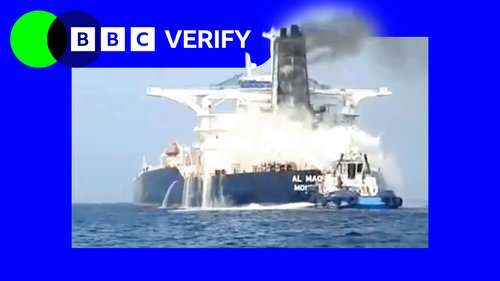
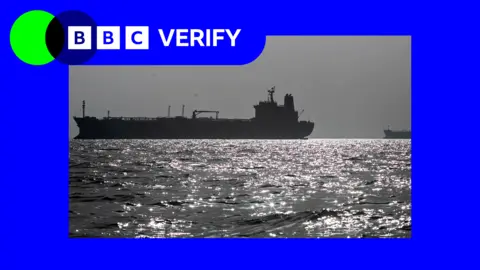
Three Iranian oil vessels—Diona, Hero II and Sonia I—were sighted by MarineTraffic as they crossed the United States’ maritime blockade line that separates the Gulf of Oman from the Arabian Sea.
Both Hero II and Sonia I departed Iran’s Chabahar port late Tuesday and entered the Arabian Sea early Wednesday, while Diona began broadcasting its position just after leaping the block. The ships together carry roughly 3.8 million barrels of crude oil.
The U.S. Navy confirmed it would keep the blockade in force until the new Iran‑US agreement, slated to be signed in Switzerland on Friday, even as President Donald Trump had earlier declared it would be removed. Senior analyst Michelle Wiese Bockman of Windward Maritime Intelligence said the movement indicates Iran believes the blockade is over.
This is the first time the three vessels have broadcast their positions since March, marking Iran’s first oil export to the world in two months. The blockade has pushed crude exports down to 260,000 barrels per day in May—less than a fifth of the 2025 average of 1.67 million.
The U.S. said enforcement could happen outside the Gulf, and forces have intercepted Iranian‑linked vessels in the Indian Ocean, thousands of miles away.
Other Iranian tankers linked to the National Iranian Tanker Company—Dan, Sinopa and Stream—have also begun broadcasting their positions, with Dan and Sinopa seen in the Strait of Malacca heading toward Iran, and Stream moving away from the Karachi port.
"Iran is wasting no time getting its tankers back into circulation," Bockman added.
The incident illustrates the geopolitical stakes underlying maritime sanctions and the importance of real‑time ship‑tracking to gauge compliance and enforcement.
© 2026 BBC Verify; Adapted for pulsewire.news.