In brief
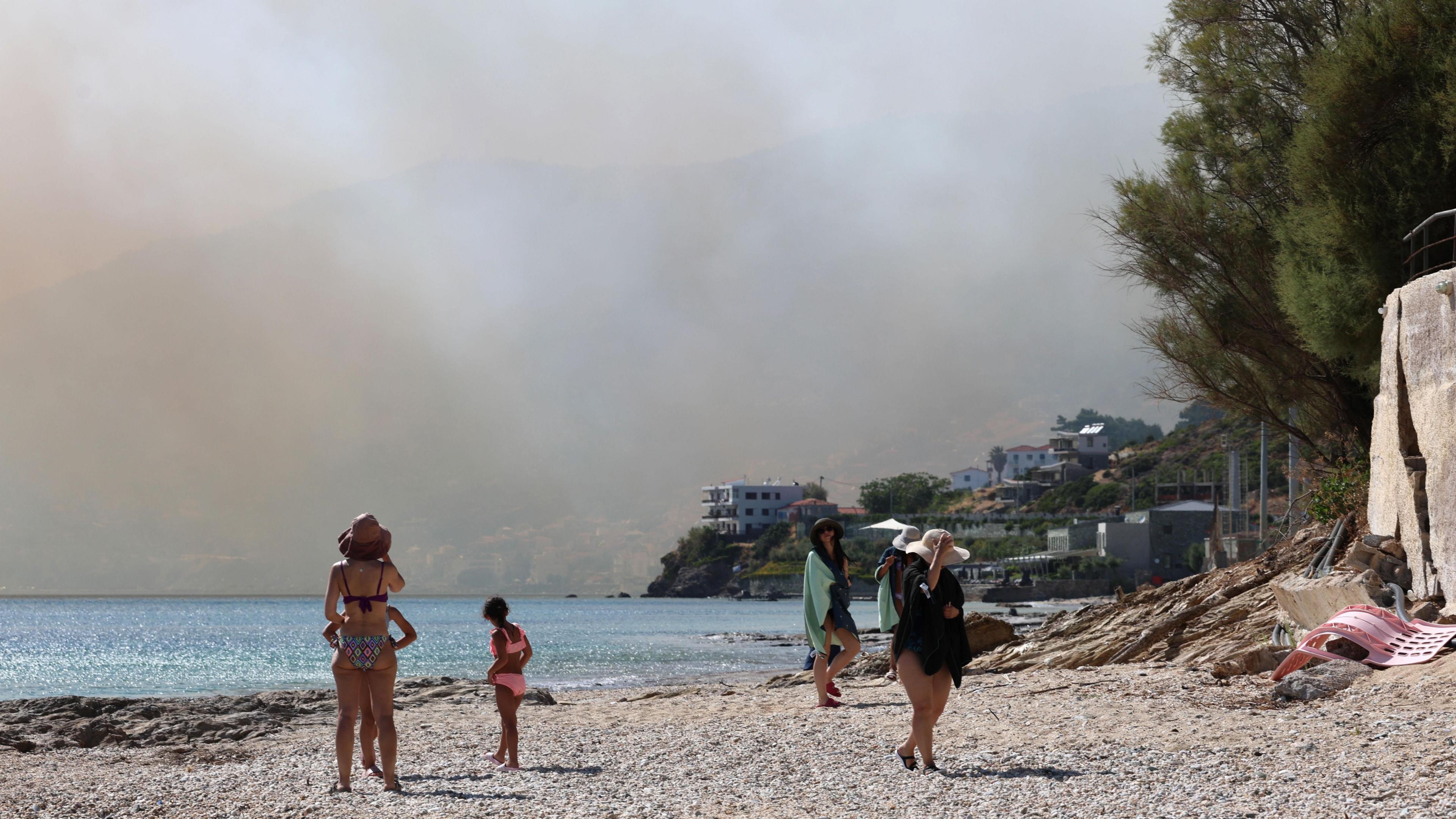
Crete’s wildfires lured the evacuation of around 8,000 residents as gale-force winds of up to 125 km/h fanned flames across tourist areas. Two firefighters died on the island and a third on the mainland, as the blaze has burned homes, agricultural land and resorts in the Rethymno region. European countries are also battling massive fires, with Spain and Portugal reporting thousands of evacuations, while France’s Gironde fire has consumed hundreds of homes. Climate‑driven drought and human‑fueled sparks are making the Mediterranean’s fire season record‑breaking, with Greece’s forests and scrublands under increasing threat. The situation remains dangerous, urging precautions for anyone near affected zones.
Strong winds of up to 125 km/h (77 mph) crept across the Greek island, setting mixed forest and agricultural land ablaze in the Rethymno region. The raging fire forced the evacuation of roughly 8,000 people, many of whom were allowed to return home later that day.
Tragically, two firefighters were killed on the island while battling a blaze near Krya Vrysi, and a third firefighter died on the mainland near the port town of Gytheio. Both were mourned by the Hellenic Fire Service.
Elsewhere in Europe, Spain and Portugal experience widespread wildfires, with over 1,000 people evacuated in northern provinces and more than 200,000 hectares burning in Spain this summer. France’s Gironde fire destroyed 240 homes, but rains have helped slow its spread.
The Mediterranean Region’s forests and scrublands are increasingly vulnerable to fire, a trend fueled by mild winters that create dry tinder‑dry fuel and a heatwave that amplifies fire risk. The European Fire Service predicts that the fire season could continue into September, with further hotspots in Greece and Turkey.
If you’re in an affected area, and it is safe to do so, please get in touch with emergency services or local authorities. More on the spread of European fires here.