In brief
The death of Sylvester Muigai Ndung’u, a 17‑year‑old from Nanyuki, erupted from clashes that erupted during a protest over a proposed Ebola quarantine centre in a nearby military base. The protests were met by police that used tear gas, water cannon and, allegedly, live ammunition. Muigai’s mother, Lucy Kagure, searched hospitals and police stations before finding his body in a mortuary, where he was currently listed as an unidentified male. She describes half of his head having been split open and his clothes soaked in blood. The incident marks the third death linked to the protest. The court has halted construction of the facility but work has continued, drawing criticism from human rights groups and the local community.
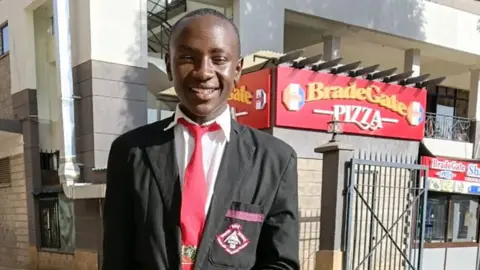
The mother of a missing teenager, Lucy Kagure, found the body of her son in a mortuary in the central Kenyan town of Nanyuki two days after he vanished. The 17‑year‑old, Sylvester Muigai Ndung’u, was killed on Tuesday in clashes that broke out during a protest over the construction of a US‑planned Ebola quarantine centre at a nearby military base.
Kagure said her son had gone home to pick up his school uniform from a aunt when he got caught up in the unrest. She had searched hospitals and police stations before discovering the body at the mortuary, where it had been listed as an unidentified male.
"When I found him, half of his head had been split open. His clothes were soaked in blood," the grieving mother told the BBC. Witnesses reported Muigai had been shot in the head, but police have yet to release a post‑mortem report confirming the cause of death.
Kagure added that police officers already suggested the boy may have been killed by a tear‑gas canister rather than a bullet. She condemned the police for using “too much force.” The mother, who works casual jobs that earn only about 300 kenyan shillings a day, described her pain and frustration at being unable to justice for her son.
Muigai was described by his family as a well‑behaved boy and a budding priest; the local church leader said he dreamed of becoming a religious figure. The tragedy is regarded as the third death that has emerged from the protests against the planned 50‑bed quarantine centre.
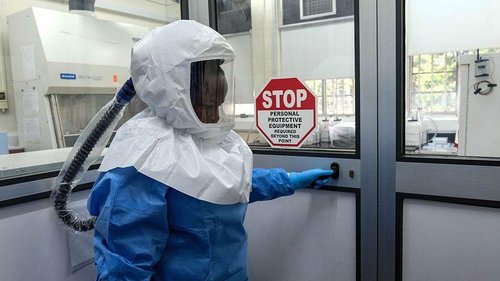
The isolation unit at the Laikipia Air Base is aimed at US citizens affected by the current Ebola outbreak in the Democratic Republic of Congo. Despite a High Court halt, construction at the site has continued, raising concerns over cross‑border infection risks and government transparency.
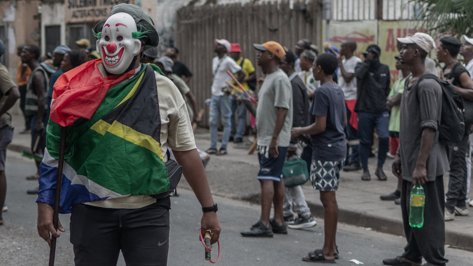
The protests started as a peaceful march to deliver a petition asking the facility to be relocated. Police blocked access to the site, forcing demonstrators to the streets where tear gas, water cannon and alleged live ammunition were employed. The Kenya Human Rights Commission has labelled police action as excessive, but authorities have not responded to these allegations.
President William Ruto defended the plan, stating that a refusal to establish the centre would be “inhuman.” He urged Kenyans not to politicise the matter, cautioning that it is a serious disease that requires measured response.
Kagure has expressed a need for justice, saying she wants answers about what actually happened to her son. Her call for transparency and accountability resonates amid a broader criticism of government policies in handling the Ebola outbreak.