In brief
The Swiss Federal Intelligence Service has agreed to open previously sealed files related to Josef Mengele, the notorious Nazi doctor infamous for his role in the Holocaust, including medical experiments on prisoners at Auschwitz. While historians have long sought access to these files, the release date remains unconfirmed, and uncertainty lingers about the content's relevance to Mengele's activities.
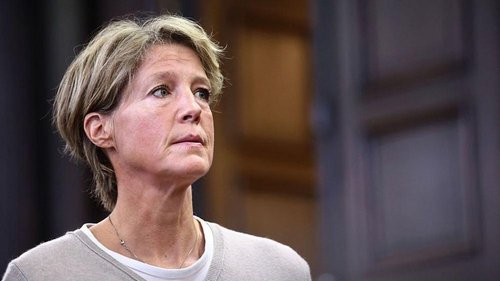
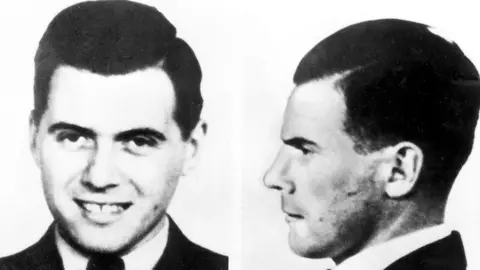
The Swiss Federal Intelligence Service has said it will finally open long-sealed files on the notorious Nazi war criminal Josef Mengele, but without saying when.Mengele fled Europe after World War Two, but for years there have been rumours that he spent time in Switzerland, even though an international warrant was out for his arrest.Historians have repeatedly requested access to the files, but until now the Swiss authorities have refused. Mengele was a doctor who served in Germany's Waffen SS. He was posted to the Auschwitz extermination camp in Nazi-occupied Poland, where he selected those to be sent to the gas chambers – an estimated 1.1 million people died, including about a million Jews.Known as the Angel of Death, he also selected prisoners, primarily children and twins, for sadistic medical experiments, before sending them to their deaths as well. After the war, Mengele, like many high-ranking Nazis, quickly changed both his uniform and his name. With the help of his false identity, he was issued Red Cross travel documents at the Swiss consulate in Genoa in northern Italy and used them to flee to South America. The Red Cross intended the documents for thousands of displaced people across Europe, but Nazis seeking to escape prosecution also managed to acquire them, prompting an apology from the Red Cross.In 1956, Mengele reportedly had a skiing holiday in the Swiss Alps with his son Rolf. Officially, he then spent the rest of his life in South America. However, evidence surfaces that he may have returned to Switzerland after an international warrant for his arrest was issued in 1959. The release of the files was influenced by historians like Regula Bochsler, who faced denial from the Swiss Federal Archive to gain access to Mengele-related documents, which were sealed until 2071 on the grounds of national security.The Federal Intelligence Service's recent announcement suggests a shift towards transparency, yet the lack of a specific release date fuels speculation regarding what the documents may ultimately disclose about Mengele’s activities in Switzerland.The long-awaited access to these files embodies the tension between national security and historical transparency, highlighting Switzerland's complex relationship with its WWII era. As historians prepare for what these files may reveal, many remain skeptical about the potential value of the information contained within.