In brief
With control of Congress in the balance, state attorney general races are gaining attention, fueled by record fundraising efforts from both parties. These positions are increasingly seen as crucial for political influence, with many current attorneys general eyeing higher offices. Key races in swing states could have significant impacts as organizations, corporations, and advocacy groups invest heavily in the outcomes. Notably, figures like Arizona's AG Kris Mayes and Texas candidates Chip Roy and Mayes Middleton are shaping the narratives in their states.
As the November elections approach, the races for state attorneys general are quietly gaining traction, despite often being overshadowed by contests for Congress. Increased funding from partisan groups and corporate interests highlights the growing importance of these roles in shaping national policy.
Republicans reported raising a record $29 million last year for these races, while Democrats also saw increased contributions, totaling $28 million—double the usual amount at this point in the election cycle. Some 30 seats are up for grabs, with significant financial backing from technology firms, tobacco companies, and various advocacy groups, indicative of the elevated status of the attorney general position.
James Tierney, a former Maine attorney general and academic at Harvard, stated, “Because we try to solve many of our problems with lawsuits, the office of attorney general has become more important.” This significance is reflected in the aspirations of several current AGs, with at least six vying for gubernatorial positions this year.
The evolving role of AGs is evident in key races in swing states such as Arizona, Michigan, Nevada, and Wisconsin, where Democrats aim to regain seats. Republicans are targeting states like Minnesota and New York for potential pickups.
Texas: The Battle for the AG Nomination
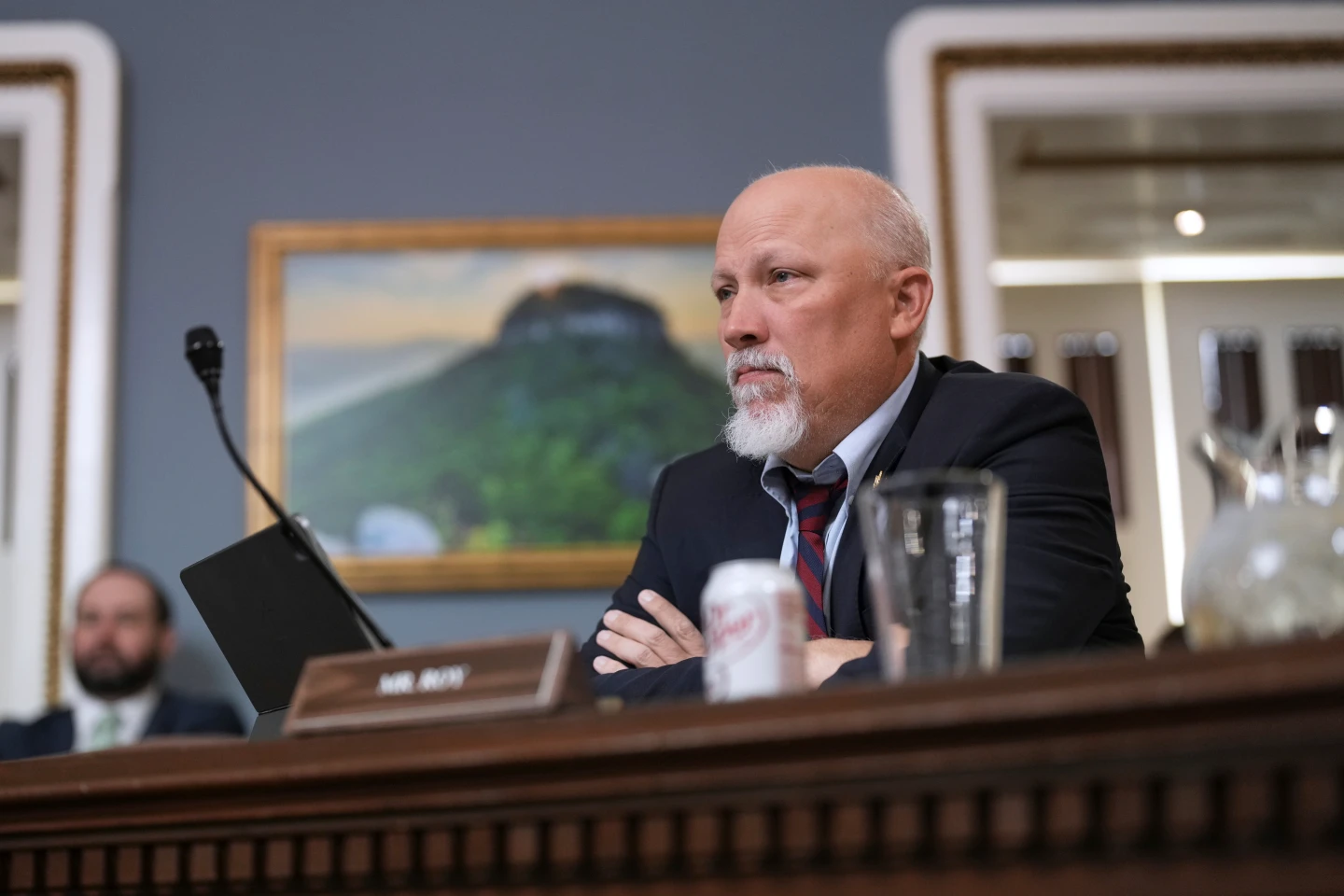
In Texas, a prominent race involves U.S. Rep. Chip Roy and state Sen. Mayes Middleton competing in the May 26 runoff for the party's AG nomination, following Ken Paxton's controversial tenure. Paxton's legal challenges and aggressive policies, such as those targeting gender-affirming care and abortion, have attracted considerable attention.
Both Roy and Middleton have openly committed to addressing what they term the “Islamification” of Texas, with Middleton even promising to investigate financier George Soros, underscoring the campaign's partisan lines. The winner will contend with the Democratic nominee emerging from a runoff between state Sen. Nathan Johnson and former Galveston Mayor Joe Jaworski.
Recent AG Lawsuits and Political Accountability
In recent months, Democratic AGs have engaged in notable lawsuits against former President Trump's administration, filing over 80 litigations with favorable rulings in most cases. Arizona's AG Kris Mayes has highlighted the financial implications of her office's legal actions, saving her state significant funds. Her Republican opponent, Rodney Glassman, critiques her approach as politically motivated yet seeks to leverage it in his campaign.
These races are increasingly crucial as the AG position serves as a potential launchpad for higher political office, and with such investments and implications for policy, the upcoming elections promise to be closely watched.