In brief
The 5th Circuit Court of Appeals decided on Tuesday that Texas can mandate the display of the Ten Commandments in public school classrooms, arguing it does not violate the First Amendment. This ruling is a significant win for conservative advocates aiming to integrate more religious principles into the education system, while opponents, including the ACLU, assert it undermines church-state separation. Following this decision, a significant clash is anticipated at the U.S. Supreme Court regarding the separation of church and state in educational settings.
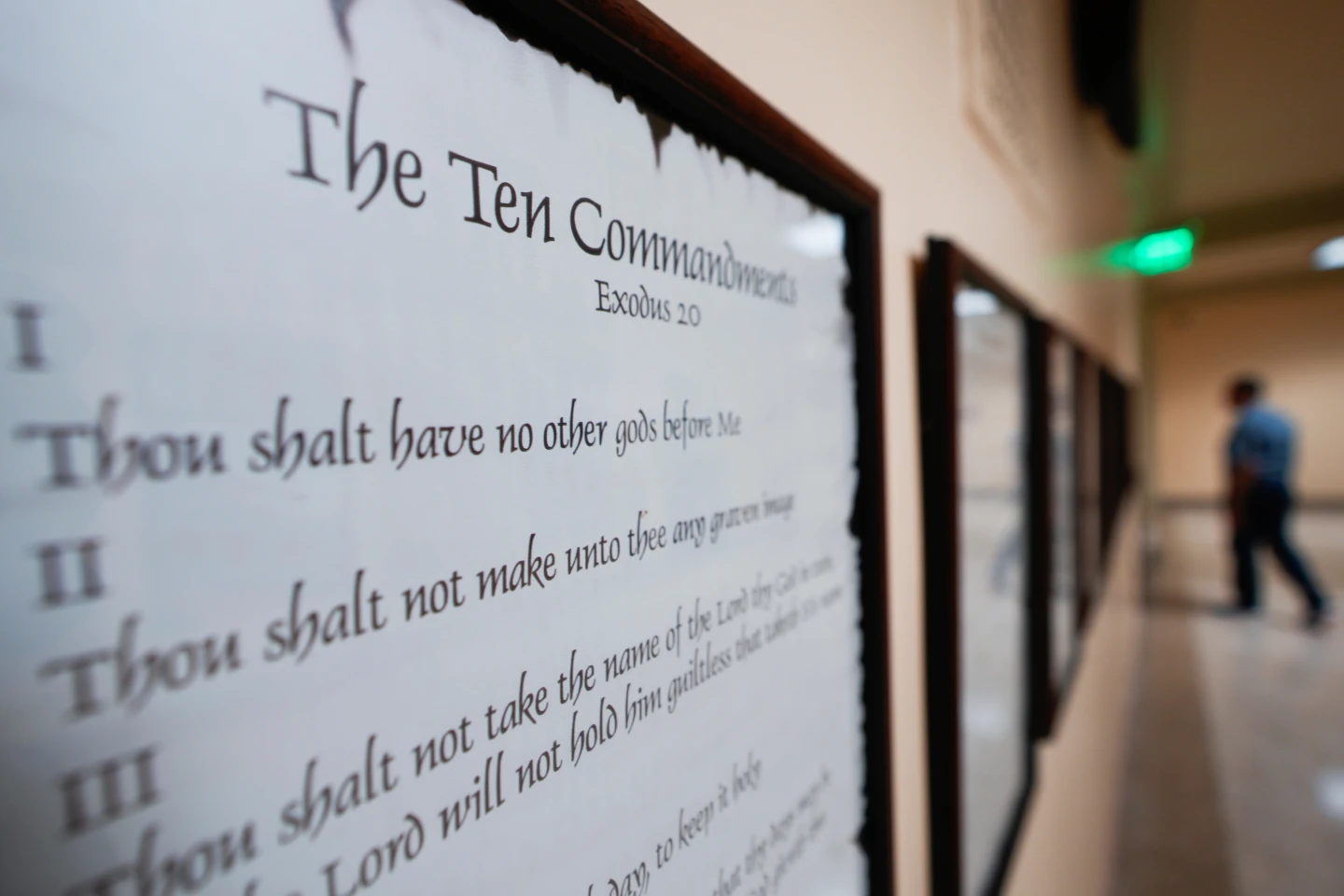
DALLAS (AP) — A U.S. appeals court ruled on Tuesday that Texas can require the Ten Commandments to be displayed in public school classrooms, marking a significant victory for conservative advocates who have long pushed for the incorporation of religious principles into the education system. The 5th Circuit Court of Appeals stated that the law does not infringe upon the First Amendment, which ensures religious freedom and prevents governmental establishment of religion.Texas Attorney General Ken Paxton hailed the decision as a major victory for Texas and our moral values, asserting the profound influence of the Ten Commandments on the nation and the necessity for students to learn from them daily. In contrast, organizations like the American Civil Liberties Union, representing families who contested the law, expressed deep disappointment, claiming the ruling violates fundamental First Amendment principles and undermines the separation of church and state.The law, which went into effect on September 1, represents a notable effort by Texas Republicans to integrate religious symbols and education into public schools—an initiative seen by critics as a direct assault on the secular nature of public education. The rulings could potentially spark significant discussions at the U.S. Supreme Court, as the 5th Circuit also recently ruled on a similar case in Louisiana, reinforcing the display of Ten Commandments in that state too.As debates continue over church-state separation and educational policies, this ruling underscores the ongoing tension in American society over the role of religion in public institutions.