In brief
In the southern waters of Sierra Leone, fishermen on Sherbo Island claim that their dwindling fish stocks and frequent net damage are caused by large Chinese trawlers violating a seven‑mile exclusion zone. Local representatives have spoken of illegal fishing, net‑cutting and collisions with international vessels, while government officials claim the problem is being managed. A 2024 global report highlights West Africa’s role in illegal fishing, and calls for better vessel tracking and increased pressure on the Chinese government to curb overseas fishing. The debate underscores the tension between small‑scale communities and powerful foreign fleets over fishing rights and sustainability.
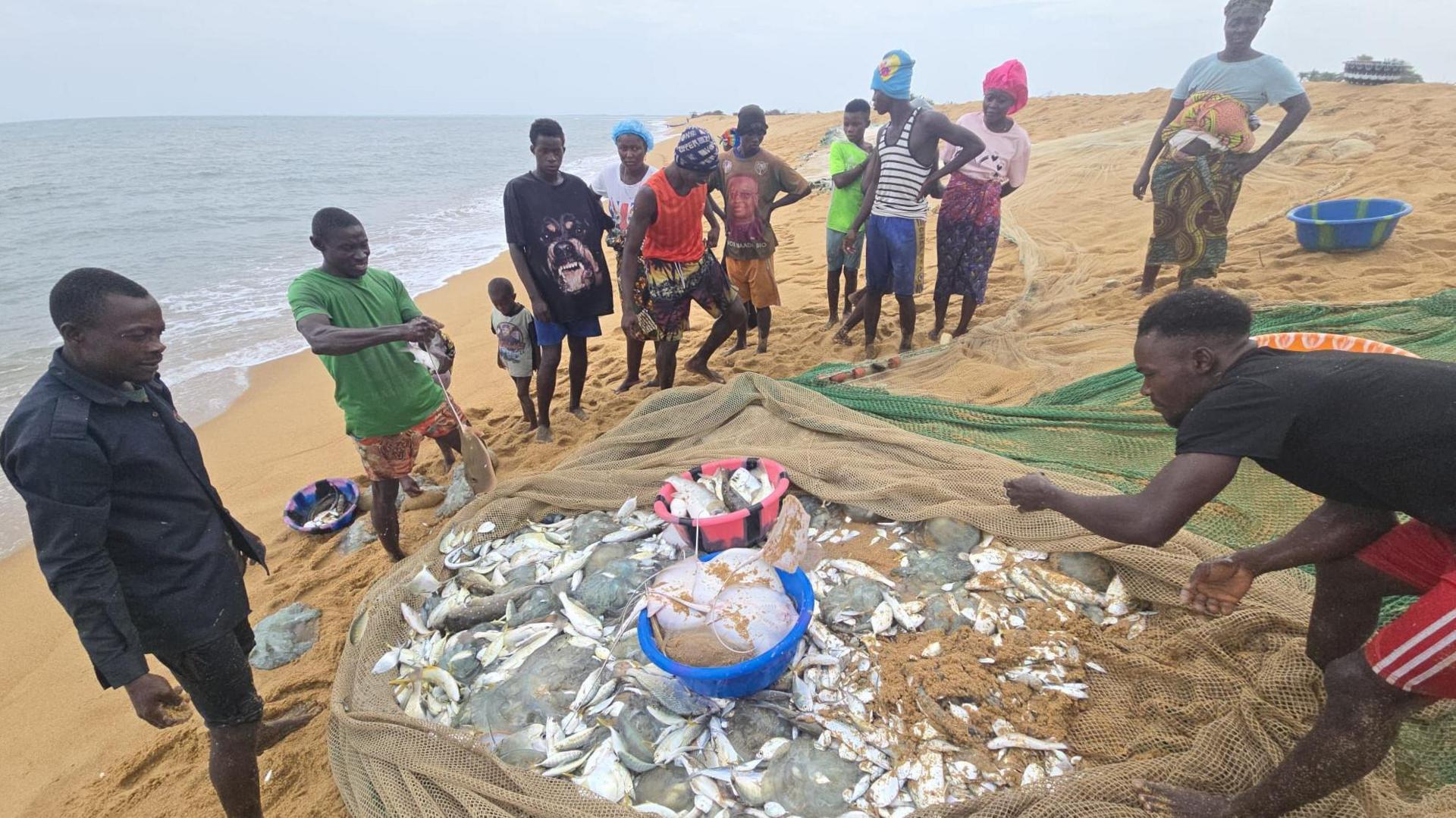
The remote Sherbo Island, 75 km south of Freetown, is a long‑held fishing community whose economy now teeters on the verge of collapse. Every week the villagers haul in nets full of snapper, mackerel, barracuda and rays, but in recent years their catches have fallen dramatically.
Local fishers say the main culprit is the foreign trawling fleet that has swelled in the waters just beyond the seven‑mile exclusion zone. "They come on the night, then cut our lines and take the fish," alleges fisherman Musa Gassimo; he estimates each replacement net costs about US$250.
Marie Pierre, a woman who turns discarded jellyfish into sardines, claims that trawlers cut nets to reduce competition. The loss of fish is not just a local problem—West Africa is estimated to hold 40 % of the world’s unlicensed catches, costing the region over US$10 billion in lost revenue and threatening food security for millions, according to a 2024 global report that links illegal fishing to the area.
Read the report
Thomas Turay, president of Sierra Leone’s Fishermen’s Union, warned that the government’s efforts to stop illegal fishing have been undermined by corruption and bribery. "The sea belongs to us, yet the foreign trawlers steal it," he said.
Chinese officials, however, have denied accusations of illegal fishing. In a recent statement, the Chinese Foreign Ministry said: "China is a responsible fishing nation, strictly enforcing the regulation of its distant‑water fishing activities and engaging in mutually beneficial fisheries cooperation with relevant countries in accordance with international law."
See Reuters coverage
The United Nations shipping registry and the Environmental Justice Foundation are calling for better vessel tracking technologies and international pressure on Beijing to curb the practice, suggesting consumers can choose whether to buy fish caught under such conditions. For now, the fishermen on Sherbo Island continue to rally for justice and a sustainable future for their community.
Share your thoughts or any eyewitness reports on overfishing in West Africa to help bring transparency and action to the issue.