In brief
France’s summer wildfires scorched over 300,000 acres, prompting the Interior Ministry to arrest 420 people, including 166 minors, for probable arson or negligence. While climate change fuels the intensity, investigations show most fires stem from accidental sparks or careless behaviour. Critics argue the crackdown may be over‑zealous and lack thorough evidence. Experts explain how minor actions—like a cigarette butt or barbecuing—can ignite in dry, high‑heat conditions, and call for stronger prevention and post‑incident accountability. President Macron stresses urgent forest rebuilding and adaptation to climate realities amid the ongoing heatwave.
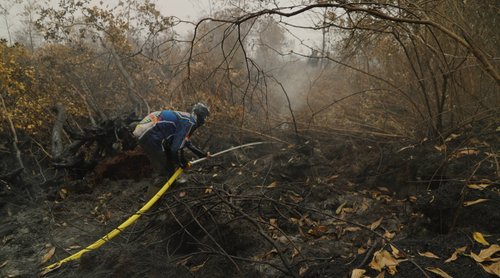
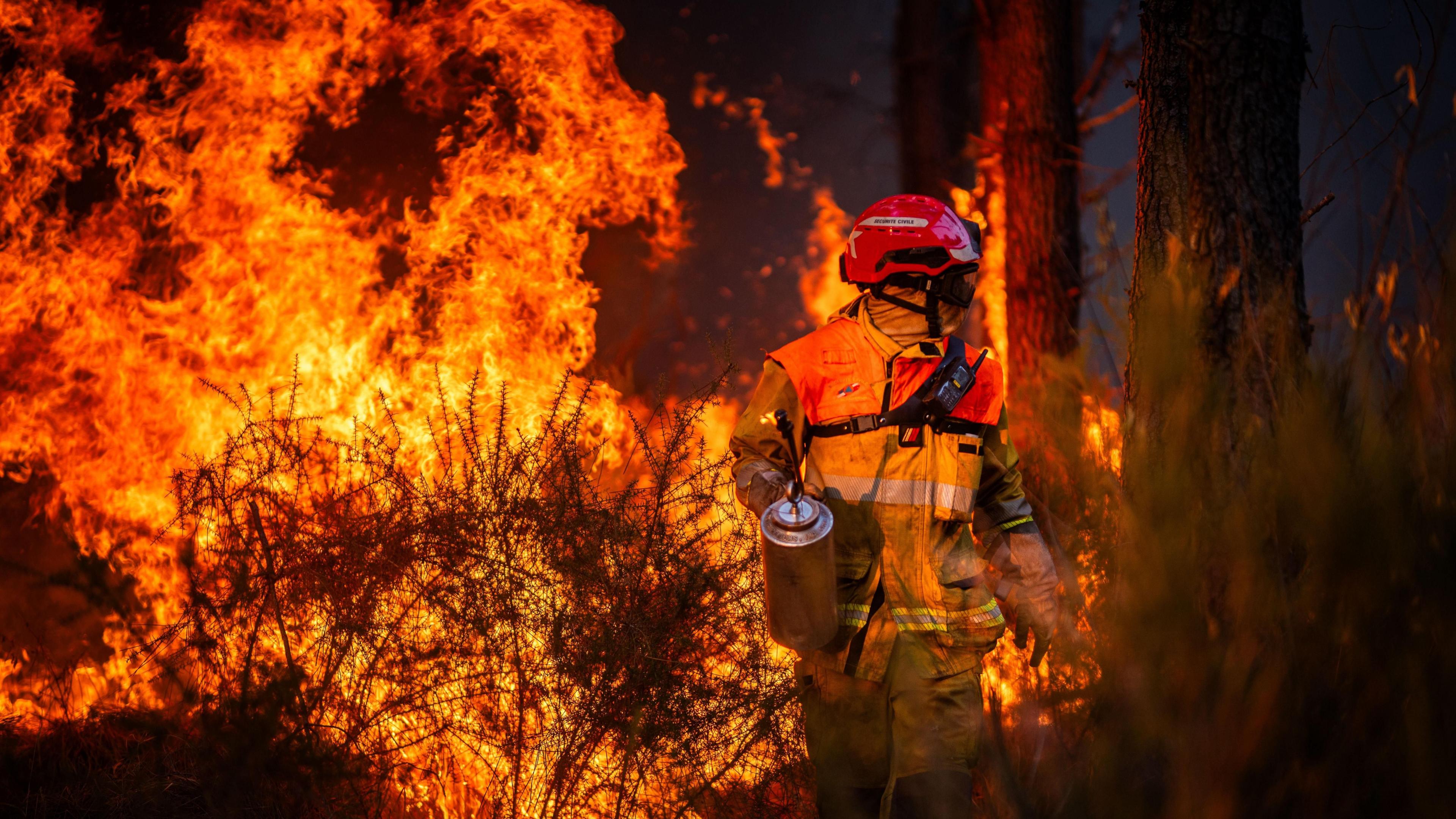
France’s wildfires this summer have set a new national record, destroying more land than in any other period since World War II. The country’s Interior Ministry announced 420 people were arrested for suspected deliberate or accidental fires – 166 of them under the age of 18 – and police are already filing charges and sentencing some offenders.
Authorities highlighted a 23‑year‑old who allegedly started 10 fires in the Var region over five days, facing up to 15 years in prison and a €150,000 fine if convicted. A separate case involved a firefighter who received a three‑year jail term after starting three fires in Vosges.
Lawyers and journalists argue the arrests look excessive. Muriel Gestas, a lawyer who has defended men accused of arson, said many cases would not lead to convictions. The newspaper Le Monde published a critique suggesting police may have rushed to prosecute without thorough case evaluation.
The Interior Ministry’s spokesperson said a tough stance was justified given current conditions: “A cigarette butt left in a woodland area should be treated as a potential fire hazard. One spark can ignite a blaze under the present drought, making the threat immediate.”
The science behind wildfires points to a small number of deliberate fires, with most ignition points traced to accidental causes – faulty power lines, construction work or careless barbecues. A specialist in fire investigation explained that under dry, hot conditions resembling the “30” rule (temperature ≥30 °C, humidity ≤30 %, wind ≤30 km h⁻¹), a single cigarette can start a fire reliably.
Professor Michel Lejoyeux said arsonists generally fall into three groups: careless individuals, those who seek insurance payouts, and rare pyromaniacs. He warned that diagnosing pyromania is complex and that most arson cases involve more mundane motives.
President Emmanuel Macron called the fires “completely unprecedented” and urged the nation to rebuild forests resilient to climate‑driven heatwaves, but also to maintain public unity during the crisis. He said that lessons will be reviewed later, that rebuilding and re‑planting are priorities while the country navigates immediate environmental and economic damage.
With another heatwave on the horizon, France faces mounting pressure to balance swift law‑enforcement actions with transparent, evidence‑based investigations to restore public confidence and protect communities.