In brief
The UK government’s overnight takeover of British Steel has drawn sharp criticism from Beijing, which says the move “seriously infringes upon the legitimate rights of China’s Jingye Group” and threatens Chinese investment confidence. The nationalisation followed Parliament’s passage of new legislation allowing the state to step in where a public‑interest test is met, a move that the UK says will safeguard jobs and vital steel output. As UK politics shifts with Andy Burnham’s new primeminister role, the dispute risks further souring UK‑China trade ties.
The United Kingdom’s sudden move to bring the loss‑making steelmaker into public ownership has sparked a sharp diplomatic spat with China. China’s commerce ministry released a statement on Friday condemning the UK’s decision and announcing that it “firmly opposes” and is “strongly dissatisfied” with the nationalisation, saying the action infringes on Jingye Group’s legitimate rights and undermines confidence in Chinese investment abroad.
The nationalisation followed a Wednesday vote in Parliament that allowed the government to takeover a company that met a public‑interest test. The move, announced by the UK government, was defended in statements as a means of protecting jobs and a “vital national capability” after the company’s loss‑making status left investors wary.
Beijing’s criticism comes at a time of heightened sensitivity, with the UK on the cusp of a new Prime Minister, Andy Burnham, who will need to balance short‑term industrial policy against long‑term economic ties to the world’s second‑largest economy. The UK states it will seek “an independent valuer in the autumn to make a judgment on any compensation that is due” while acknowledging the plant’s immediate cost of over £1 million a day.
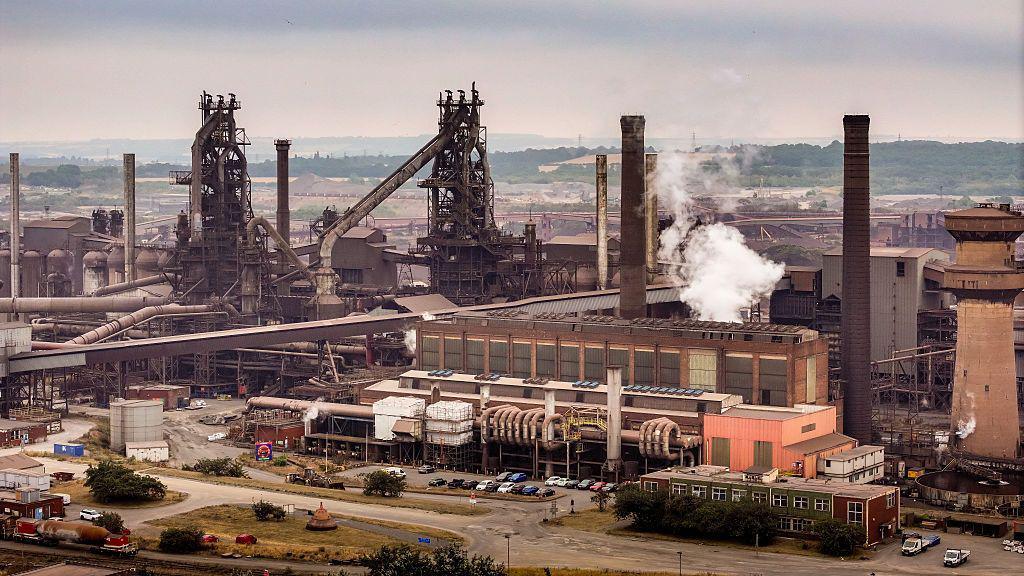
Scunthorpe’s steelworks employs roughly 2,700 people and supplies specialised steel that is still not produced elsewhere in the UK, including high‑strength alloys used by Network Rail and the construction sector. While the nation’s long‑term plan is for all domestic steel to come from electric‑arc furnaces, the government has kept the blast furnaces running until alternatives become viable.
The Bilateral Investment Treaty, signed in 1986, obliges both sides to protect each other’s investments. China’s ministry warned the UK to “faithfully fulfil” its obligations, implying potential diplomatic repercussions if compensation remains unaddressed.
As the UK and China negotiate a future in steel and wider trade, the nationalisation debate exemplifies the complex intersection of domestic policy, international law, and geopolitical risk in a rapidly changing global economy.