In brief
Aldi opened a hidden store beneath a luxury Manhattan complex and sold a $4 dish of almond butter that usually sells for $22 in other parts of the city. The 79‑year‑old shopper Mary Porter celebrated the savings alongside fresh produce. This move is part of Aldi’s aggressive plan to open 800 U.S. locations and attract middle‑to‑upper‑class shoppers who are tightening budgets. Despite its growth, analysts say Aldi’s low‑price, private‑label model keeps it too small to rival Walmart’s massive resource base.
Aldi’s $4 almond butter fills a Manhattan discount gap
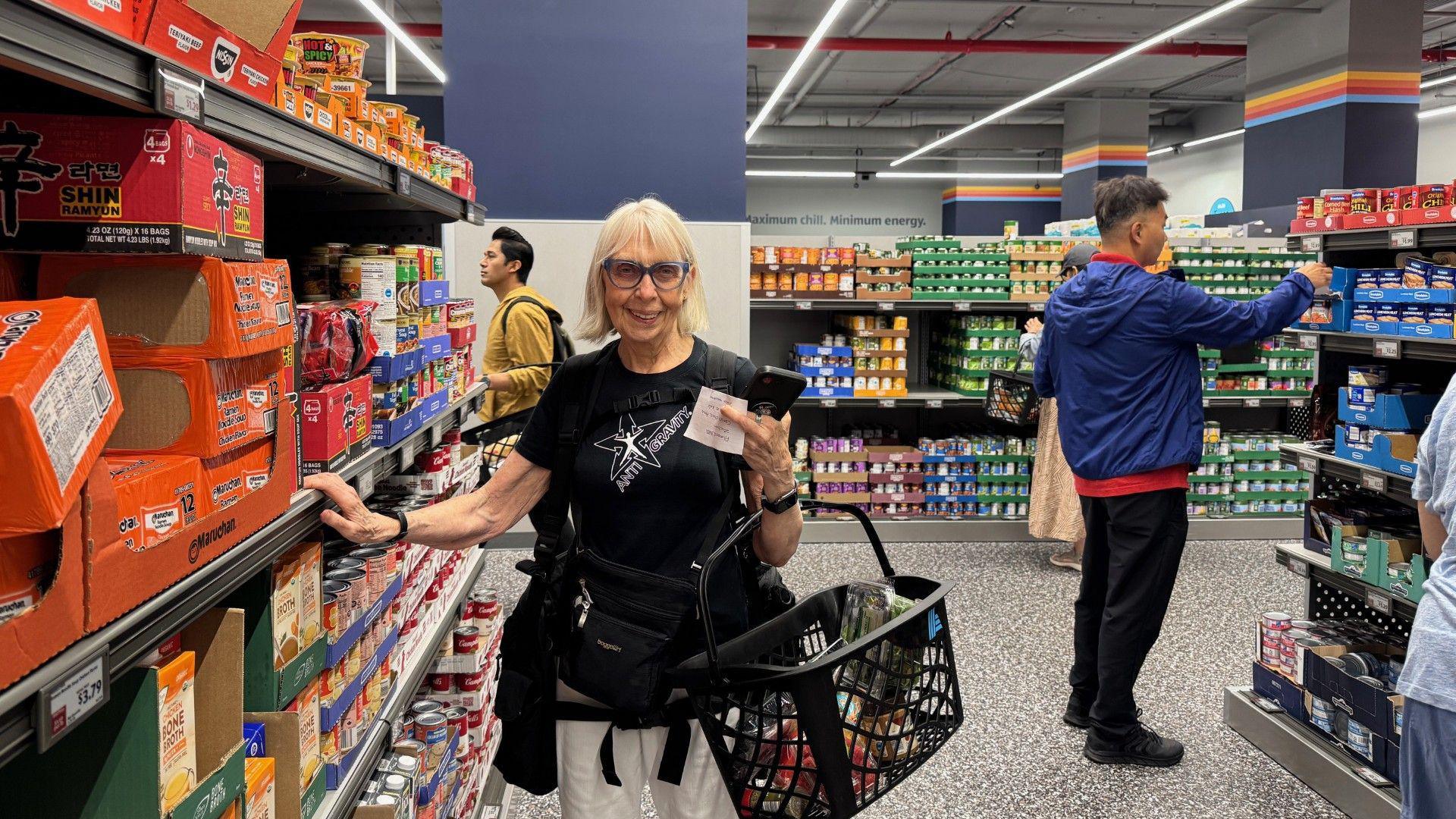
When 79‑year‑old Mary Porter walked into the newest Aldi on Manhattan’s east side, she found a $4 jar of almond butter that usually sells for $22 elsewhere in the city.
Porter, a long‑time resident of the Upscale East River area, was amazed at the score. “Aldi is supposed to be cheap, and this is truly a bargain,” she told BBC, highlighting a basket filled with fresh spinach and organic raspberries.
The store is tucked behind the entrance to a luxury apartment tower where initial rents start at $5,000 a month. The building’s website even lists only higher‑end rivals like Whole Food and Brooklyn Fare, omitting the discount grocer entirely.
Inside, the basement walk‑through is a bright, bustling hive. If you journey past the underground doorway you’ll see New Yorkers crowd the aisles in canvas bags during lunch hour, navigating the store’s efficient layout.
This launch is part of Aldi’s $9 bn expansion plan to open 800 new U.S. stores over five years, targeting dense urban hubs such as Manhattan. The German discounter moved from 980 stores in 2009 to nearly 2,800 in 2026, now aiming to attract the 75‑to‑125‑k household income bracket.
While Aldi’s market share in the U.S. remains modest at 2.9%, its focus on efficient private‑label pricing keeps overheads low, enabling it to compete with well‑established chains. Analysts highlight that Aldi’s “submarine” approach—keeping stores lean and costs tight—fights differently from Walmart’s “battleship” strategy that relies on deep investment in technology, automation, and advertising.
Aldi’s logistics in Manhattan add another layer of complexity. Chief commercial officer Scott Patton explains that the outlet must be supplied from Connecticut using short, specialized trucks that can navigate the city’s narrow streets. The brand ships three to four loads every night, a “logistical symphony” to keep shelves stocked.
For shoppers like Porter, the corporate rivalry is secondary to the instant savings. “I get on the subway with my big bag and return with cheap groceries. I’m so happy – this is amazing,” she said, extending a Jeopardy‑style insight into how city dwellers are now turning to discount grocers for big-price cuts.
Live updates and crowdsourced insights are available via PulseWire’s real‑time feeds. Join the conversation by sharing your own experiences in the comments below or through our interactive map of Aldi's new U.S. rollout.