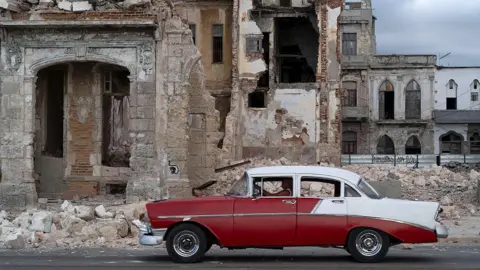
Cuba’s tourism market has collapsed after the U.S. expanded sanctions this year, cutting foreign visitors to the island by more than a half in the first five months of 2026. The national statistics agency reports that fewer than 360,000 people entered the country in that period, a 58.4‑percentage‑point drop from the same time last year.
Airlines and hotel operators have pulled out, stalling traffic to the island. Air Canada suspended flights indefinitely, citing "ongoing political and economic uncertainty," while Spanish hotel groups Meliá and Iberostar shut dozens of properties in advance of a U.S. deadline to end business with the state‑owned conglomerate Gaesa.
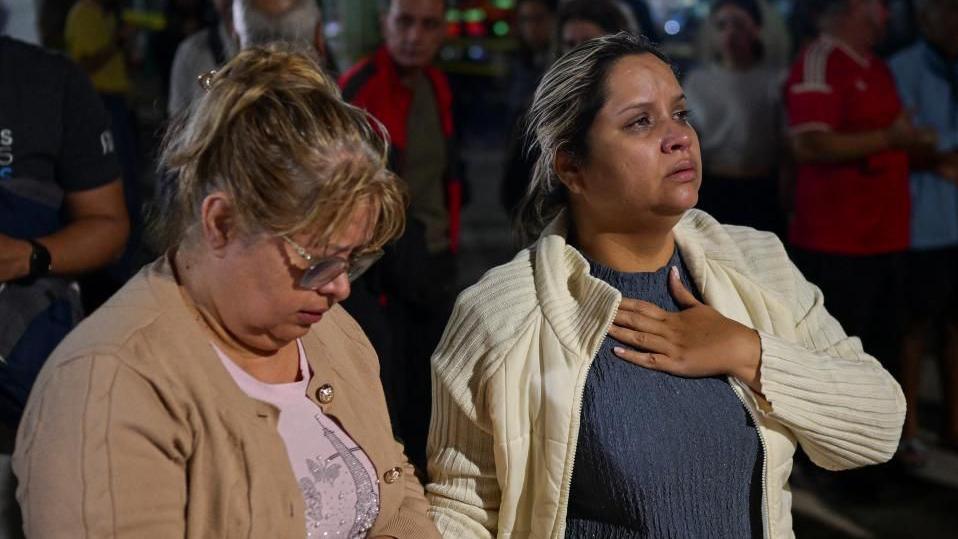
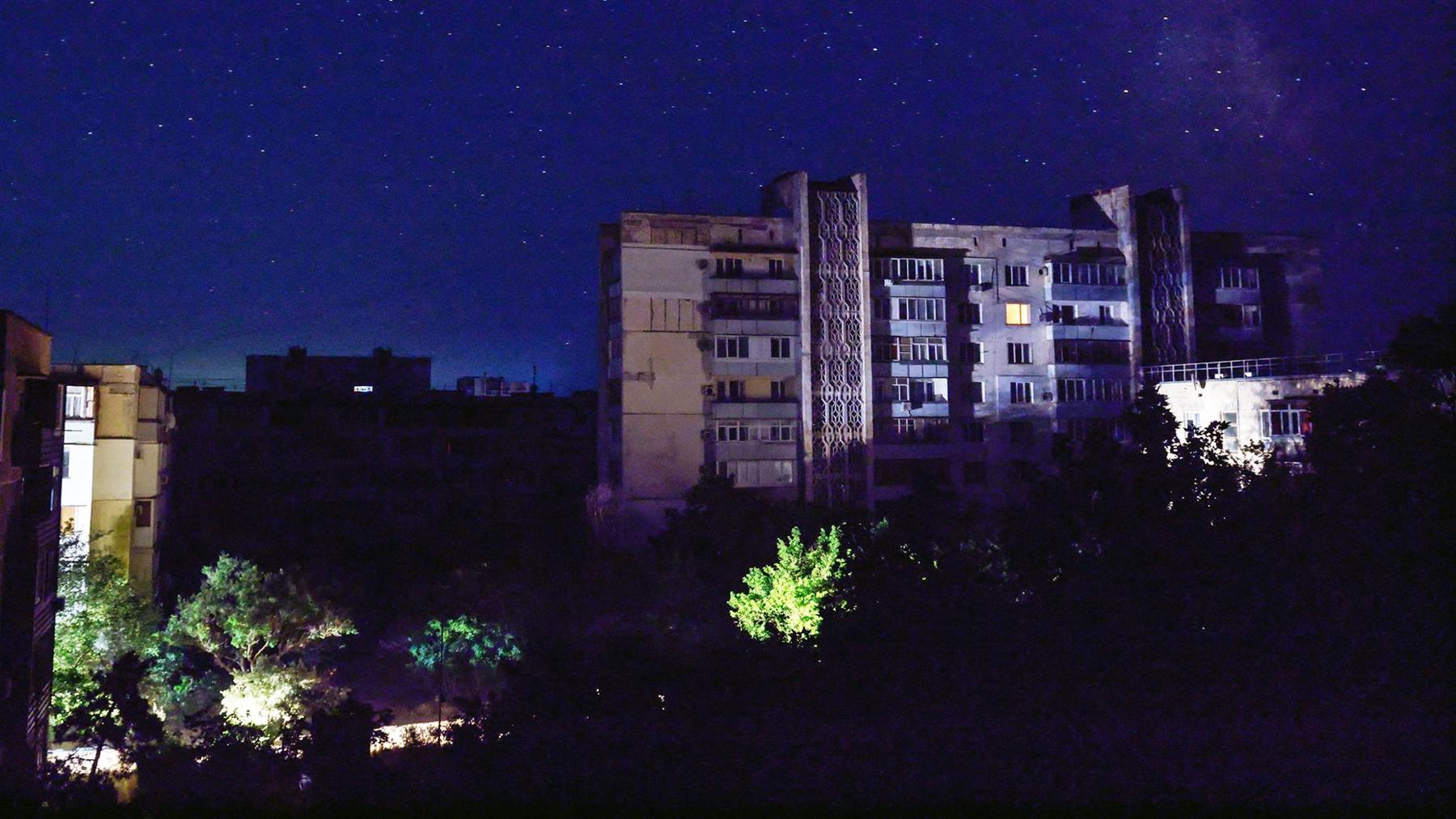
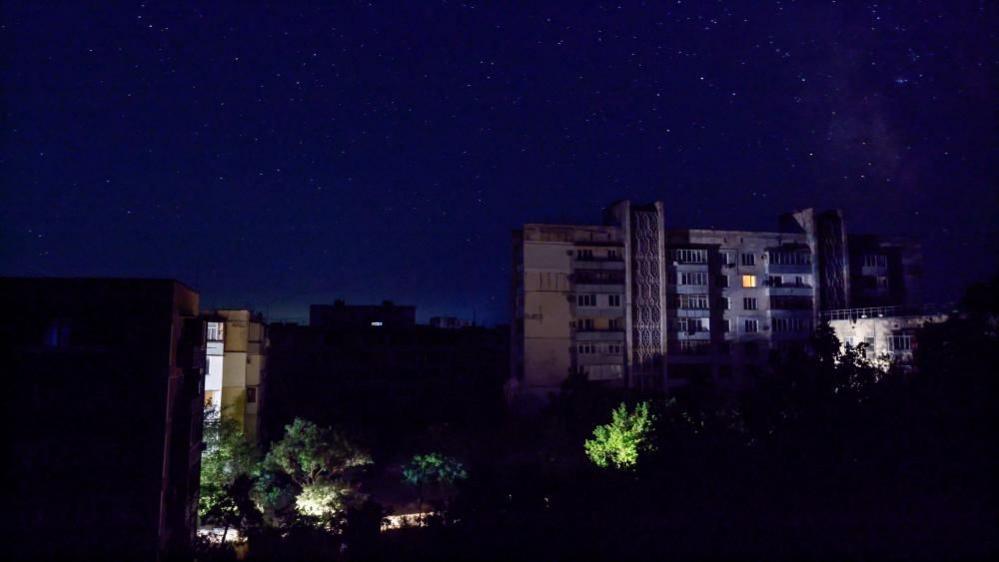
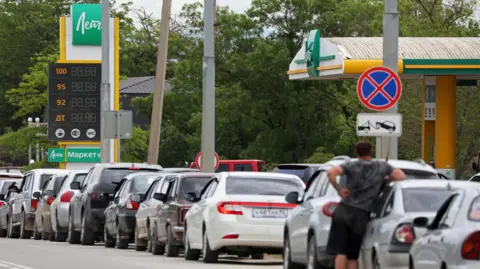
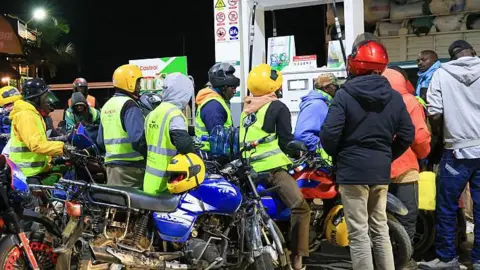
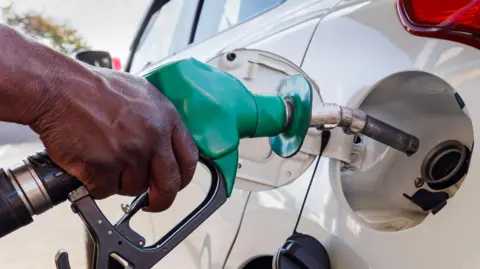
The tightening embargo has amplified shortages in fuel, medicine and food. Power cuts reach up to hours of darkness, garbage piles crowd streets, and residents struggle to keep even a simple bakery running as electricity is lifted for only a few hours each day. The scarcity has sparked rare public protests, a rare risk for a nation where dissent can lead to long prison terms.
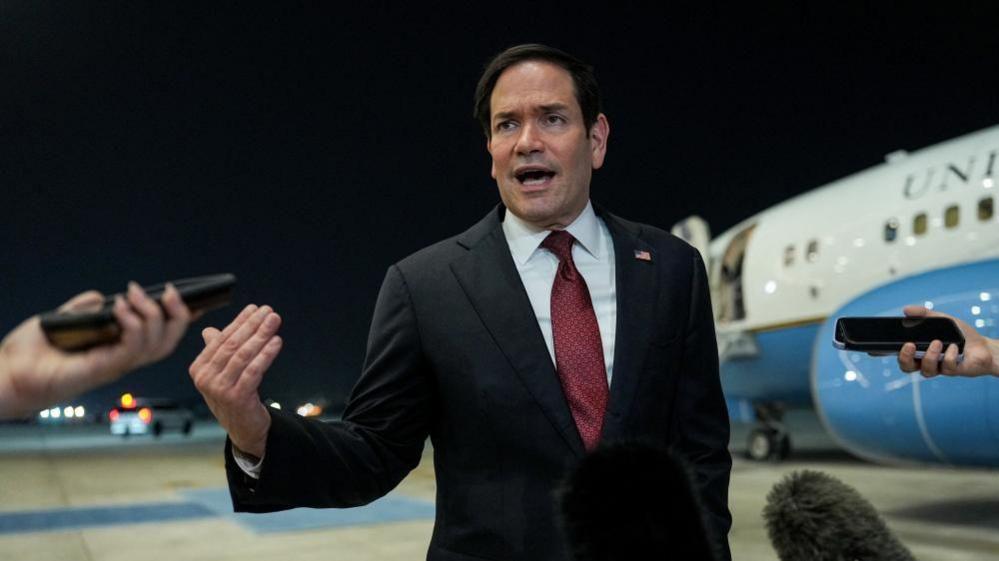
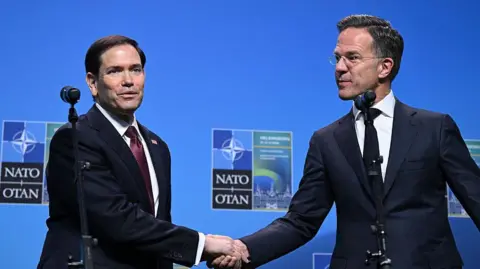
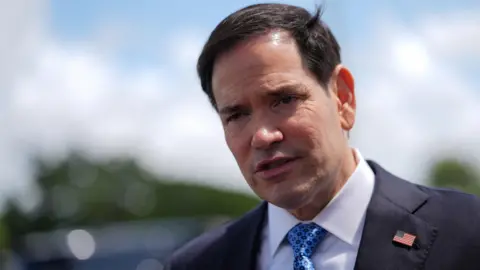
Gaesa has attracted U.S. ire for hoarding profits for a small elite, with Secretary of State Marco Rubio calling the company "a state within a state." The warning raises the stakes for Cuba’s tourism and economy as the government faces a growing pressure to lock down more of its assets.
Health outcomes are taking a beat: children with cancer have seen survival rates drop from 85 percent to 65 percent since the inaugural sanctions talk. Even religious staples are affected—communion wafers are rationed amid two‑hour power blocks at the monastery that produces them in Havana.
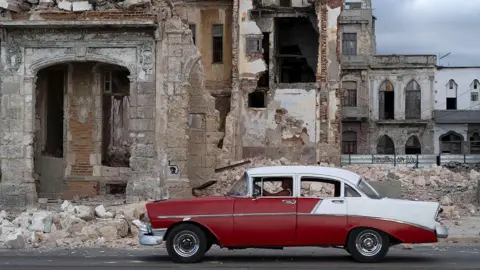
Image credit: Getty Images