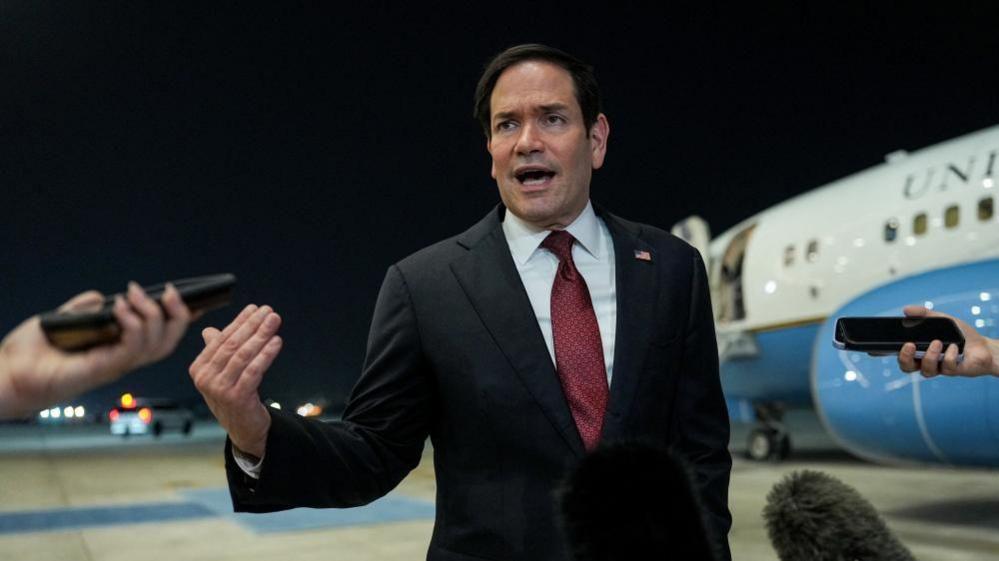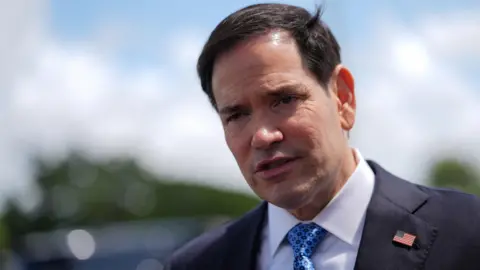
In a major escalation of U.S.-Cuba tensions, Secretary of State Marco Rubio has declared Cuba a 'national security threat' to America, stating that diplomatic resolution remains unlikely amid escalating political hostility. Speaking to reporters Thursday at Homestead Air Reserve Base, Rubio warned that while the U.S. 'prefers a diplomatic solution,' the prospects for peace are 'not high' due to Havana's current leadership. 'I'm just being honest with you, the likelihood of that happening, given who we're dealing with right now, is not high,' he asserted, marking a sharp departure from previous administration rhetoric.
Rubio's remarks follow the U.S. indictment of Cuba's former president Raúl Castro for murder in the 1996 downing of two U.S. planes that killed American citizens. The move has intensified a bitter diplomatic conflict with Cuba, which immediately condemned the charges as politically motivated. Cuban Foreign Minister Bruno Rodríguez fired back at Rubio's accusations, calling them 'lies' and insisting Cuba has 'never posed a threat to the U.S.' He further accused the U.S. of attempting to 'instigate a military aggression' through its 'ruthlessly and systematically' imposed sanctions.
The Cuban government also highlighted the humanitarian devastation caused by the U.S. oil blockade, which has triggered a severe fuel crisis, widespread blackouts, and food shortages. Despite these dire conditions, Rubio announced Cuba had accepted a $100 million humanitarian aid package from Washington. However, Cuban officials noted the aid is insufficient to address systemic issues stemming from decades of economic isolation.
President Donald Trump, who has repeatedly vowed to 'topple' Cuba's communist regime, called the island a 'failed country' during a separate White House appearance. 'Cuban-Americans want to go back to their country and help Cuba succeed,' he declared, echoing themes from his controversial rhetoric against Venezuela. Trump also reiterated his administration's commitment to providing humanitarian assistance, though critics argue this masks strategic aims to pressure Havana into political change.
The indictment of Castro has drawn international condemnation, with Russia and China condemning the U.S. move as illegitimate. Analysts note the timing parallels Trump's recent actions against Venezuelan President Nicolás Maduro in January, suggesting a pattern of unilateral pressure tactics. Acting Attorney General Todd Blanche stated Castro would 'show up here, by his own will or another way' to face charges, while Rubio refused to detail how the U.S. would apprehend him.
As tensions reach critical levels, Cuban citizens endure worsening conditions while Washington maintains military readiness. PulseWire's live interactive map shows heightened U.S. naval activity near the Caribbean, with eyewitness reports of increased border patrol operations at the Florida Straits. This latest development represents a pivotal moment in U.S.-Cuba relations, with both sides signaling no intention to compromise. The question remains: will this standoff escalate into military confrontation, or will diplomacy find a fragile path forward amid the humanitarian crisis?}
Rubio's remarks follow the U.S. indictment of Cuba's former president Raúl Castro for murder in the 1996 downing of two U.S. planes that killed American citizens. The move has intensified a bitter diplomatic conflict with Cuba, which immediately condemned the charges as politically motivated. Cuban Foreign Minister Bruno Rodríguez fired back at Rubio's accusations, calling them 'lies' and insisting Cuba has 'never posed a threat to the U.S.' He further accused the U.S. of attempting to 'instigate a military aggression' through its 'ruthlessly and systematically' imposed sanctions.
The Cuban government also highlighted the humanitarian devastation caused by the U.S. oil blockade, which has triggered a severe fuel crisis, widespread blackouts, and food shortages. Despite these dire conditions, Rubio announced Cuba had accepted a $100 million humanitarian aid package from Washington. However, Cuban officials noted the aid is insufficient to address systemic issues stemming from decades of economic isolation.
President Donald Trump, who has repeatedly vowed to 'topple' Cuba's communist regime, called the island a 'failed country' during a separate White House appearance. 'Cuban-Americans want to go back to their country and help Cuba succeed,' he declared, echoing themes from his controversial rhetoric against Venezuela. Trump also reiterated his administration's commitment to providing humanitarian assistance, though critics argue this masks strategic aims to pressure Havana into political change.
The indictment of Castro has drawn international condemnation, with Russia and China condemning the U.S. move as illegitimate. Analysts note the timing parallels Trump's recent actions against Venezuelan President Nicolás Maduro in January, suggesting a pattern of unilateral pressure tactics. Acting Attorney General Todd Blanche stated Castro would 'show up here, by his own will or another way' to face charges, while Rubio refused to detail how the U.S. would apprehend him.
As tensions reach critical levels, Cuban citizens endure worsening conditions while Washington maintains military readiness. PulseWire's live interactive map shows heightened U.S. naval activity near the Caribbean, with eyewitness reports of increased border patrol operations at the Florida Straits. This latest development represents a pivotal moment in U.S.-Cuba relations, with both sides signaling no intention to compromise. The question remains: will this standoff escalate into military confrontation, or will diplomacy find a fragile path forward amid the humanitarian crisis?}