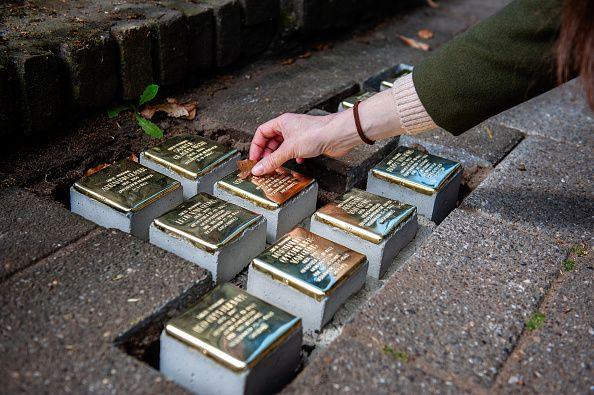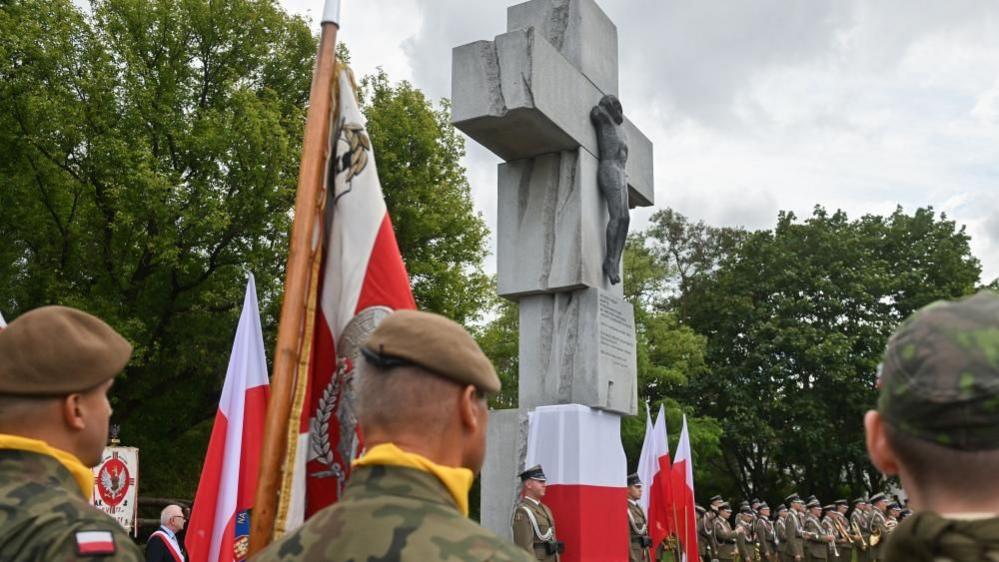
Polish Prime Minister Donald Tusk announced a national memorial for the victims of a “genocide committed by Ukrainian nationalists” during World War Two.
Tusk delivered the statement on the anniversary of what Poland calls the Volyn “massacre,” a period in which the Ukrainian Insurgent Army (UPA) killed an estimated 100,000 ethnic Poles in the 1943‑45 years. The UPA’s actions remain a painful chapter for both countries, with Kyiv and Warsaw long at odds over the narrative of the conflict.
In a bold diplomatic move, Tusk said truth is a duty to the victims and a way to break a legacy of hatred. He urged Ukraine to “embrace this truth” if it hopes to enter the European Union, warning that unchecked nationalism cannot be the answer to conflict.
Mitigating the blow, Polish President Karol Nawecki stressed that Poland’s support for Ukraine in its struggle against the Russian invasion would not waver, even amid the memorial controversy.
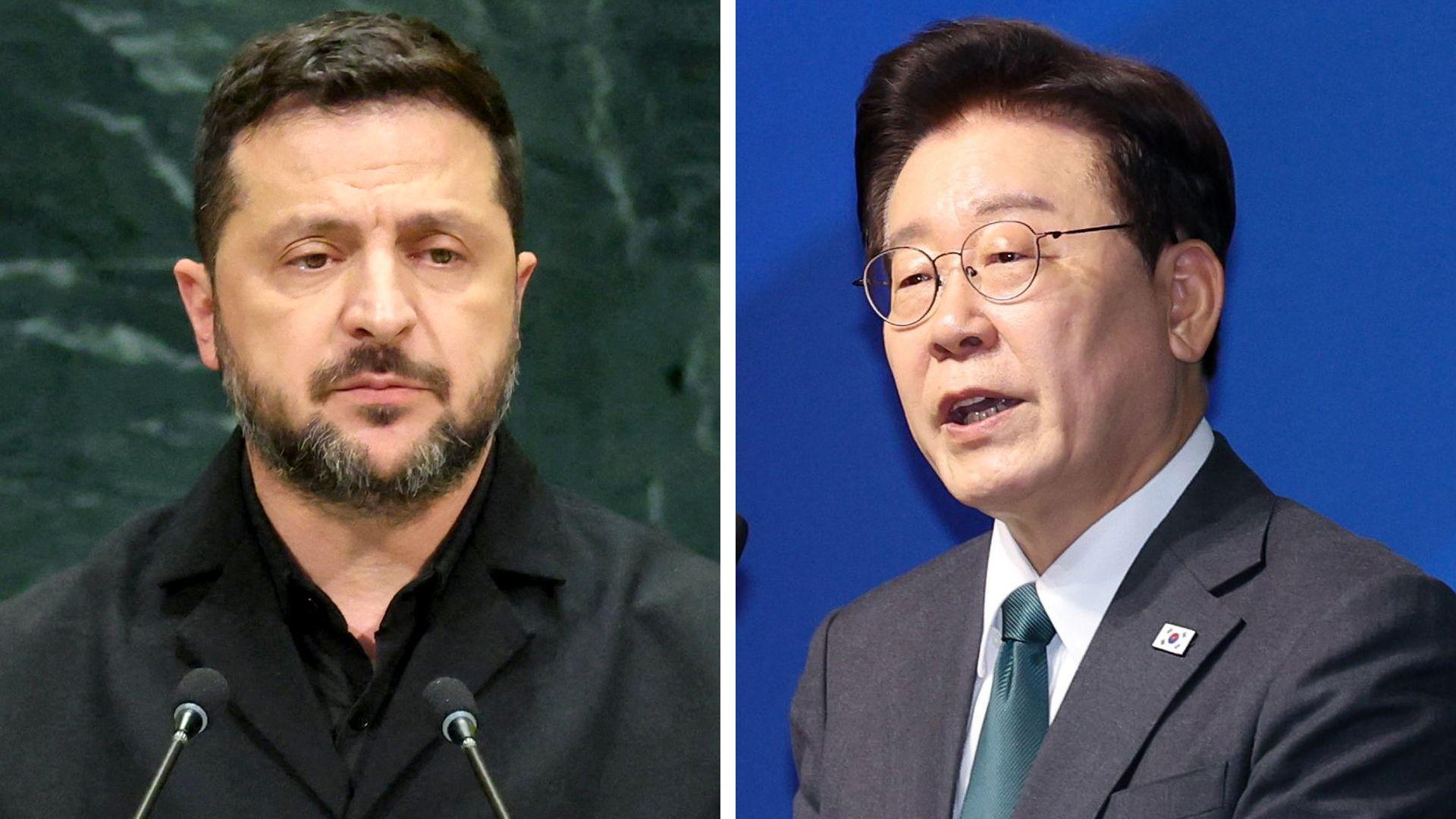
Ukraine’s Foreign Minister Andrii Sybiha harshly called the Polish initiative a “strategic mistake,” while President Volodymyr Zelensky responded by emphasising “joint prayers” between the two states to honour the victims and underscored the shared threat posed by Russia.
Prior to the memorial announcement, Zelensky had been stripped of Poland’s highest state honour for naming a Ukrainian military unit after the UPA, an act that further inflamed the diplomatic row.
Looking ahead, the story will continue to evolve as Poland pushes forward with memorial plans while Ukraine grapples with balancing national memory and its EU ambitions.