In brief
As Iran emerges from one of its most extensive internet shutdowns, limited access has been restored for some citizens. However, the reestablished connectivity is inconsistent, with reports of controlled access favoring certain approved users, raising significant concerns regarding information control and the status of human rights amidst governmental restrictions.
Nearly three weeks into one of the most extreme internet shutdowns in history, some of Iran's 92 million citizens are beginning to get back online - but access appears to be tightly controlled.
The country cut off internet access on 8 January, in what is widely seen as an attempt to stem the flow of information about a government crackdown on protesters.
Iranian Foreign Minister Abbas Araghchi said the internet was blocked in response to what he described as 'terrorist operations'.
Now there is evidence that some internet access has returned - but independent analysis indicates much of the country is still effectively cut off from the outside world.
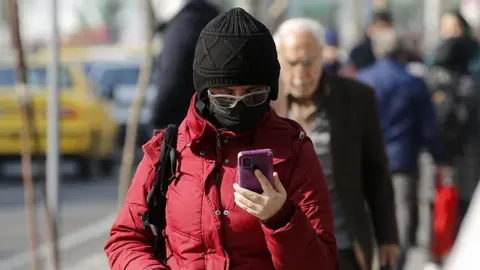
Iran's reformist Shargh newspaper has reported that some officials had claimed mobile internet had been restored. However, it said many users still do not have full access and can only connect intermittently and for very limited periods, often after repeated attempts.
Firms which monitor web traffic say there are signs of the internet being used inconsistently, raising questions about who is able to connect and under what conditions.
'What we're seeing isn't a return to normal,' said Doug Madory, director of internet analysis at network intelligence firm Kentik.
'Major platforms are being allowed and blocked at different times during the day.'
Independent internet monitoring group NetBlocks reported similar findings. Madory said the pattern could instead indicate authorities are testing a new system to block web traffic, with changes being made in real-time.
Amir Rashidi, director of cyber security at the Miaan Group, said this points to only a certain number of people, who have been approved by the government, being the only ones with access.
Human rights organisations say this control over internet access has played a big role in limiting information about the crackdown on protesters.
The Human Rights Activists News Agency (HRANA) confirmed the deaths of 5,925 protesters as of 26 January, warning that the final toll could be several times higher.
According to sources, internet access in Iran has effectively been divided into multiple levels - ranging from a complete shutdown to normal access - with current connectivity still far from a full restoration.
Foreign messaging apps, including WhatsApp, remain restricted. There are some local communication platforms accessible inside the country, although observers have raised security and privacy concerns about their use.
However, in recent days, some users have reported being able to connect intermittently to the outside world.
Rashidi indicated that selectively granting access might allow tools like a virtual private network (VPN) to function temporarily.
After nearly three weeks of disruption, Iran's Minister of Communications stated that daily losses from the shutdown amount to nearly five trillion tomans ($35m; £25m).
Further, business figures noted that in some cities, members of the Chamber of Commerce are granted limited unfiltered internet access under strict supervision and identity verification.
Internet freedom observers have warned that the authorities rapidly implement new systems aimed at cutting Iran off from the international internet, suggesting that a full restoration may never occur.