John Mahama, Ghana's opposition leader and former president, has declared a transformative vision for the nation after his decisive victory in Saturday's presidential election. With 56.6% of votes compared to Vice-President Mahamudu Bawumia’s 41.6%, Mahama achieved the largest winning margin in over two decades. The head of the electoral commission, Jean Mensa, reported a voter turnout of 60.9%.
Expressing gratitude, Mahama remarked on how he and the National Democratic Congress (NDC) had "achieved one of the best results in Ghana's electoral history." He also highlighted a historic milestone—the election of Ghana’s first female Vice-President, Jane Naana Opoku Agyemang. Mahama praised Bawumia for his concession prior to the official results, underscoring the importance of maintaining national peace.
Despite the lively celebrations across the nation, marked by music and flag waving, some citizens expressed dissatisfaction with the delay in the election result announcements. Outgoing President Nana Akufo-Addo steps down after two terms, paving the way for a potential shift in governance as the NDC reclaims power in a country that has seen alternating leadership since the reintroduction of multi-party democracy in 1992.
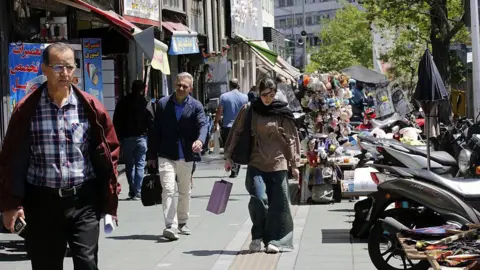
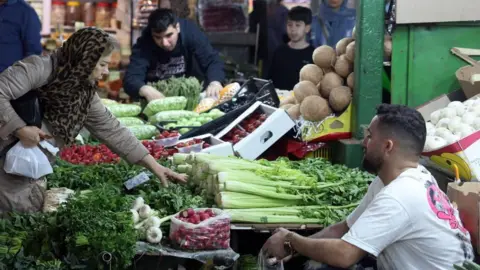
This election, however, unfolded amid Ghana's most severe economic crisis in decades, with rampant unemployment and rising living costs taking center stage. Mahama's coalition managed to make inroads into regions previously dominated by the ruling New Patriotic Party (NPP), demonstrating a clear demand for change among Ghanaians yearning for improved living conditions.
In the aftermath of Bawumia's concession, jubilant supporters across various cities, including the central locale of Kumasi, have hailed the result, with many hopeful for job opportunities and relief from escalating food and fuel prices. Nonetheless, isolated incidents marred the festive atmosphere, with two fatalities reported during the voting period and damage to the electoral commission office in a northern town.
Mahama, who previously governed from 2012 to 2017 before losing in 2020, is now on track to take office once again on January 7, 2025. His earlier term, characterized by significant challenges such as economic downturns and allegations of corruption, has left citizens hopeful that this tenure could yield renewed growth and prosperity. During his campaign, he envisioned transforming Ghana into an efficient "24-hour economy."