In brief
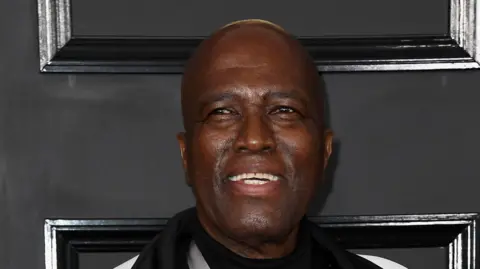
Albert Mazibuko, a beloved member of the famed South African music group Ladysmith Black Mambazo, has died at the age of 77 following a brief illness. Joining the group in 1969, Mazibuko's influence spanned over five decades, earning him accolades and recognition worldwide. The group pays tribute to his kindness and wisdom, which he shared with younger members, emphasizing a mission of peace and love through music.
Albert Mazibuko, who sang in iconic South African group Ladysmith Black Mambazo for more than five decades, has died aged 77. The musician's death on Sunday came after a short illness, the choral group posted on their Facebook page. Mazibuko joined Ladysmith Black Mambazo in 1969, and the collective went on to win five Grammy awards and feature on Paul Simon's acclaimed 1986 Graceland album.Ladysmith Black Mambazo paid tribute to Mazibuko on Monday, describing him as kind to a fault and a saint who acted as a wise elder for the group's younger members. He loved traveling the world, spreading the mission and music of Ladysmith Black Mambazo, the statement said. Mazibuko grew up in the eastern town of uMnambithi, formally known as Ladysmith, and left school early to work full-time on a farm. His cousin, Joseph Shabalala, founded Ladysmith Black Mambazo in 1960 and eventually asked Mazibuko to join.The group fused indigenous Zulu songs and dances with South African isicathamiya, an acapella tradition with a soft, shuffling style of dance. A radio performance in 1970 led to a recording contract, and in 1973 they released Africa's first gold-selling album, Amabutho. They achieved global recognition after US star Paul Simon recruited them to sing on the multi-million-selling album Graceland, despite criticism for breaking the cultural boycott of apartheid South Africa.Ladysmith Black Mambazo sang songs of hope and unity during the oppressive years of apartheid. Apartheid was very harsh to us, Mazibuko told the BBC's Soul Music show in 2015, reflecting on the challenges faced during that time. The current Ladysmith Black Mambazo line-up includes a blend of longstanding members and newer musicians, continuing their legacy of promoting love and harmony through music.