In brief
In response to a recent court ruling that suspended California's law prohibiting federal immigration officers from wearing masks, similar legislation is gaining traction in states such as Washington and Virginia. These laws aim to enhance accountability by restricting facial coverings for law enforcement officers. The Department of Homeland Security has called these measures reckless, while lawmakers argue they are necessary for public safety. The issue has drawn attention amid broader discussions about policing tactics and civil rights.
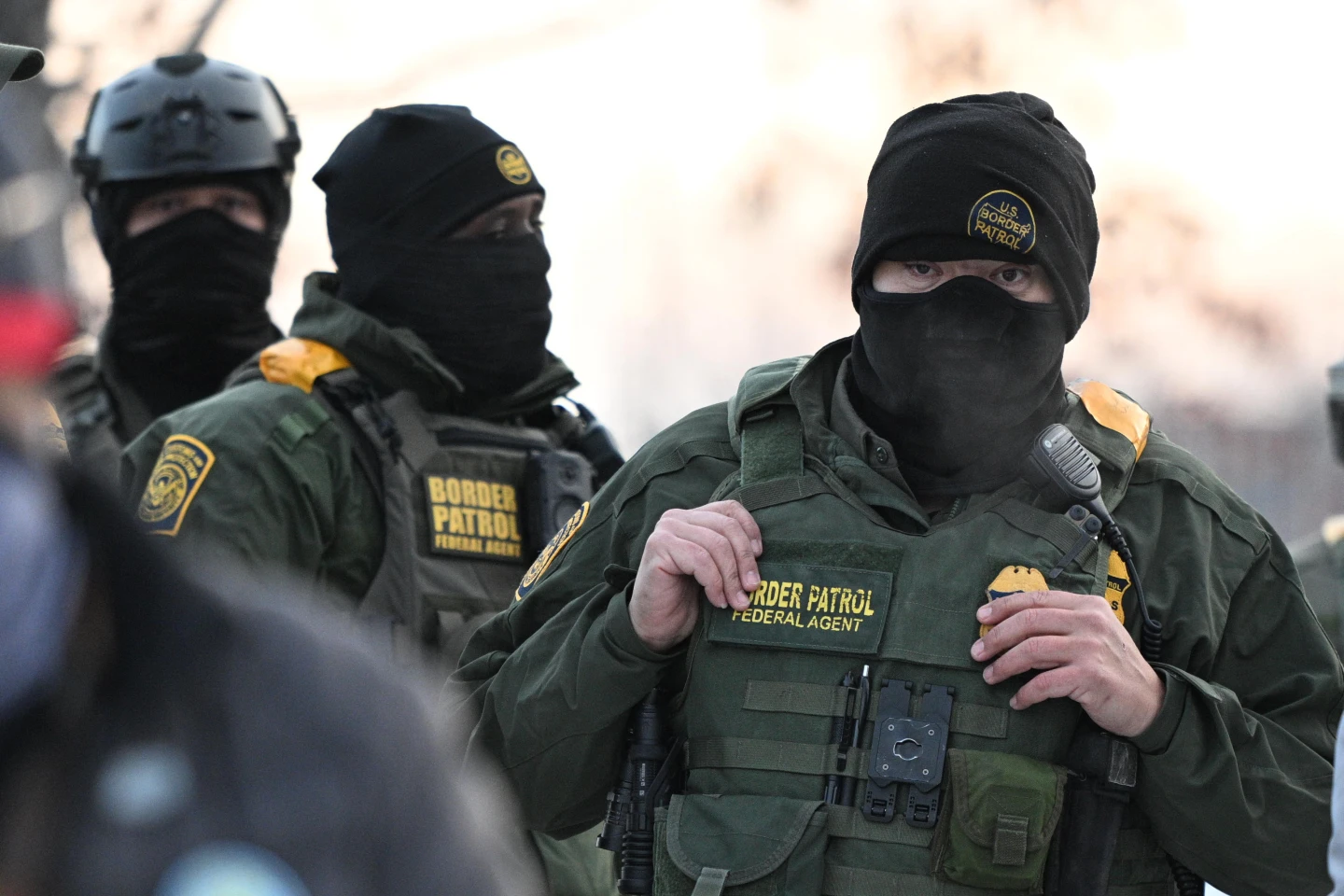
Proposals to prohibit federal immigration agents from masking their faces have gained new life in states, spurred by a court ruling that blocked the nation's first such law in California.
Following the suspension of the California law, Washington state's Democratic Governor Bob Ferguson has announced plans to sign a law limiting facial coverings for law enforcement officers, set to take effect immediately. This initiative is echoing across other states, with similar anti-masking bills receiving approval from legislatures in Oregon and Virginia, and pending discussions in Hawaii, Maryland, and Vermont.
These legislative moves come in light of criticisms regarding aggressive immigration enforcement tactics involving masked federal agents. Immigration critics argue that facial coverings allow agents to act with impunity during raids, prompting the push for greater accountability.
In response to the Washington state measure, the Department of Homeland Security labeled it “irresponsible, reckless and dangerous,” claiming the ban is unconstitutional.
The core of these new measures is to ensure that all law enforcement officers, whether federal, state, or local, are held accountable by being identifiable during public interactions. Washington's new rule permits exceptions for undercover operations and medical masks but aims to enhance transparency.
Democratic lawmakers leading these initiatives, like Senator Javier Valdez from Washington, emphasize that masking can foster intimidation. They argue that the public deserves to know law enforcement agents' identities, reinforcing the necessity for public trust in policing practices.
The situation remains fluid, with ongoing debates about the constitutionality of such laws and the balance between law enforcement safety and public accountability. Major concerns persist regarding the implications of these restrictions, especially as protests against law enforcement practices continue amid rising tensions across the U.S.