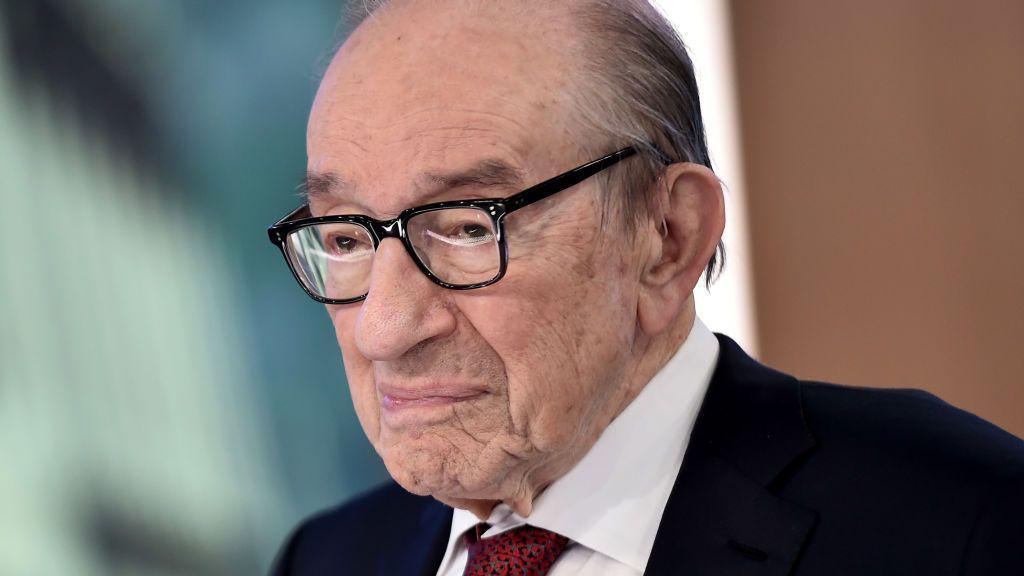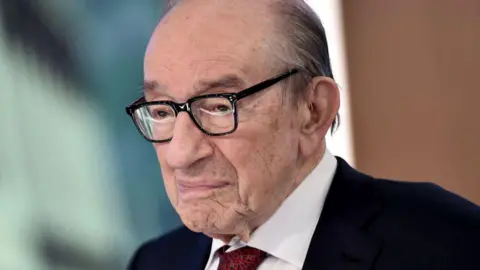
Alan Greenspan, Architect of the Modern Economy, Dies at 100
Former Federal Reserve chair Alan Greenspan has died at 100, the family announced. His wife confirmed the passing following complications from Parkinson’s disease.
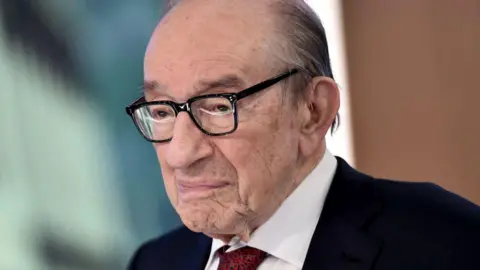
Greenspan’s tenure (1987‑2006) saw him navigate the U.S. through a sustained boom and the October 1987 crash, earning praise for his calm leadership during market turbulence. He implemented low interest rates after 9/11 and championed quantitative easing, strategies that critics say helped inflate the dot‑com bubble and the 2008 sub‑prime mortgage crisis.
A self‑described “God in the machine”, Greenspan rarely gave interviews, letting his policy statements become fulcrums for market sentiment. He once remarked that the banking sector could self‑regulate, a stance he later admitted was a mistake.
His policies were praised by Presidents Reagan, Nixon, Ford, Bush, Clinton, and most recently by President Biden, but he dismissed the Trump administration’s approach as a “shout of pain.” He also critiqued the UK’s Brexit exit.
Awards including the Presidential Medal of Freedom and an honorary knighthood recognised his impact, though his legacy remains mixed due to the regulatory philosophy that some say amplified financial volatility.
For a lifetime of shaping economic policy, Alan Greenspan will be remembered as the man who guided the U.S. through growth and crisis, his centenary celebrated in March 2026.