In brief
A National Transportation Safety Board hearing will clarify the factors leading to the deadliest U.S. plane crash since 2001, which occurred due to a midair collision between an American Airlines jet and an Army Black Hawk helicopter in January. The victims' families hope for substantial safety recommendations to prevent future tragedies. Despite previous FAA measures, advocates urge additional reforms to ensure aviation safety.
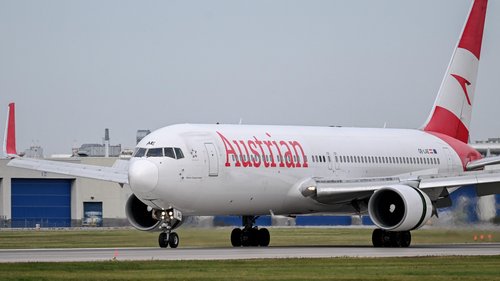
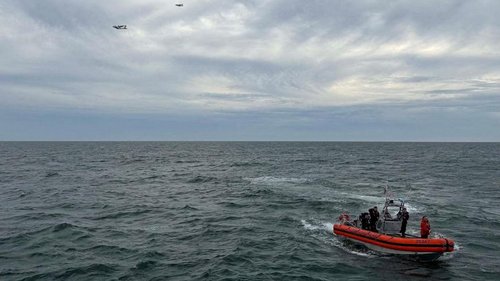
WASHINGTON (AP) — A daylong hearing on Tuesday should make clear what factors played the biggest role in causing last January’s midair collision near Washington, D.C., that killed 67 people, and the National Transportation Safety Board (NTSB) will recommend what should be done to prevent similar tragedies.Everyone aboard an American Airlines jet flying from Wichita, Kansas, and an Army Black Hawk helicopter died when the two aircraft ran into each other and plummeted into the icy Potomac River on January 29, 2025. It was the deadliest plane crash on U.S. soil since 2001.The Federal Aviation Administration made several changes shortly after the crash to secure that helicopters and planes no longer share the same crowded airspace around the nation’s capital, and recently made those changes permanent. However, the NTSB will suggest additional actions, and families of the victims have expressed hope for meaningful reforms.Rachel Feres, who lost relatives in the accident, emphasized the urgent need for clear recommendations to prevent similar events. She reflected on the significant losses that families endured and stressed the importance of ensuring such tragedies are avoided in the future.The NTSB has outlined several contributing factors to the crash, including a poorly designed helicopter route near Reagan Airport, the operational altitude violations of the Black Hawk, ignored warnings by the FAA, and failures in broadcasting the helicopter’s position. Meanwhile, although the D.C. incident raised concerns among the flying public, NTSB statistics show that overall crashes in the preceding year were at their lowest since the onset of the COVID-19 pandemic.The outcomes of the NTSB's recommendations remain contingent on responses from Congress, the Army, and the current administration, but the victims’ families vow to maintain pressure on officials for action.