In brief
In a significant update for air travel safety, the U.S. Department of Transportation has selected RTX and Indra to replace 612 aging radar systems, some dating back to the 1980s, by 2028. This multibillion-dollar initiative seeks to modernize the air traffic control infrastructure, which has faced maintenance challenges due to outdated technology. The FAA has already invested $6 billion out of the $12.5 billion allocated by Congress, with an estimated additional need of $20 billion to complete the overhaul project.
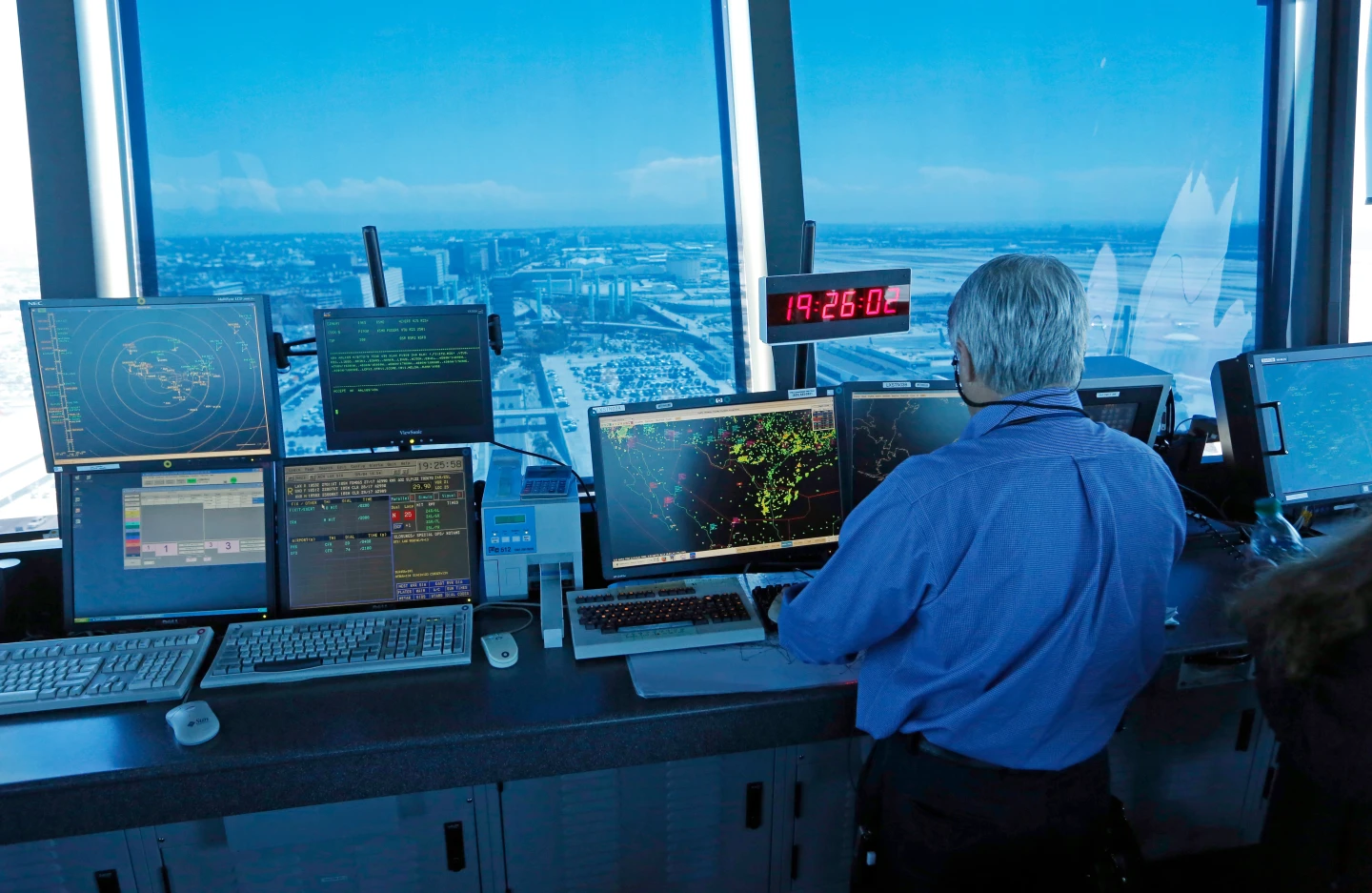
The U.S. federal government has selected two companies to replace 612 radar systems nationwide as part of a major overhaul of the nation's air traffic control system. The $12.5 billion initiative, announced by Transportation Secretary Sean Duffy and the Federal Aviation Administration (FAA), aims to modernize radar technology that has been in operation since the 1980s, with completion targeted for summer 2028.
FAA Administrator Bryan Bedford highlighted the necessity for updating this outdated radar network, stating, Many of the units have exceeded their intended service life, making them increasingly expensive to maintain and difficult to support. The FAA's current maintenance budget struggles under the weight of keeping these old systems operational, some of which even utilize antiquated floppy disks.
This overhaul comes in response to increasing technical failures that have disrupted air traffic, including serious outages affecting Newark Liberty International Airport last spring that resulted in thousands of cancelled flights. Duffy noted that while redundancy in technical systems is intended to enhance flight safety, failures among both primary and backup systems raise significant safety concerns.
The FAA’s commitment to this project involves replacing 14 outdated radar systems, which will simplify maintenance and repairs going forward. The agency has already replaced over a third of the outdated wiring with modern fiber optic connections and is working with a contractor named Peraton to oversee the implementation of these upgrades.
The comprehensive overhaul is critical not only for maintaining a reliable air traffic control system but also for ensuring the safety of millions of travelers who rely on the U.S. aviation system every day.