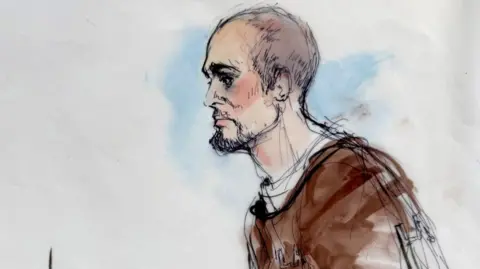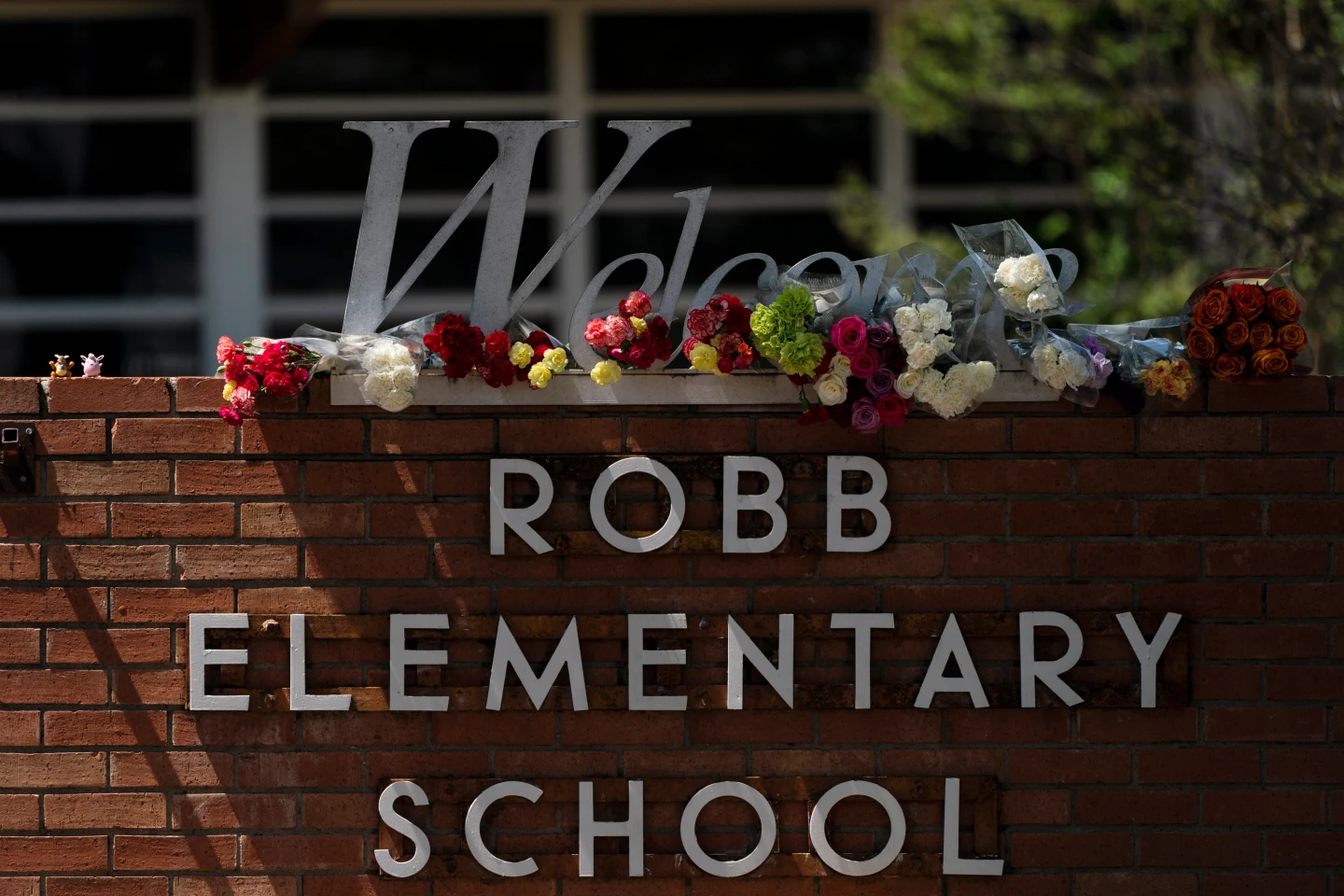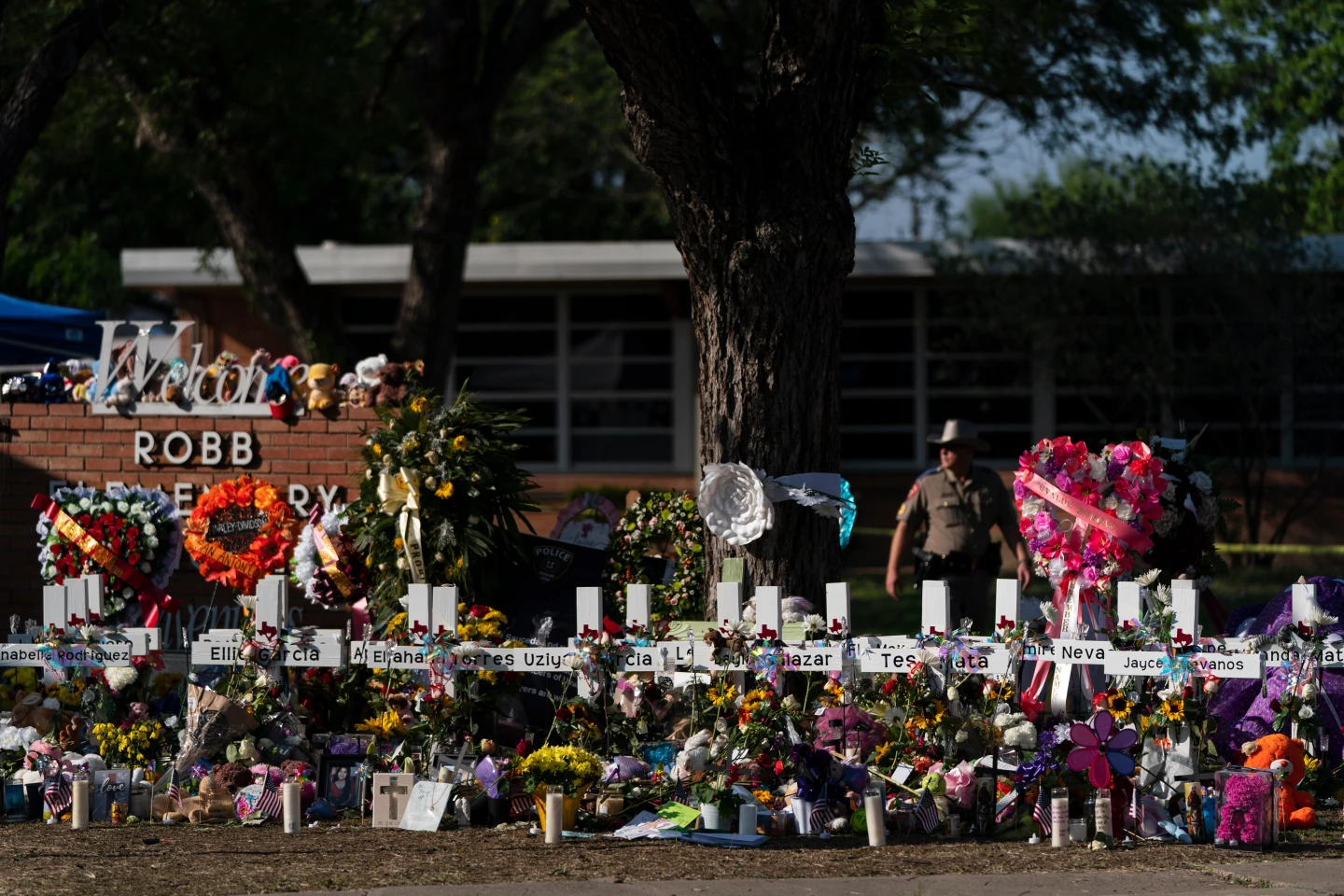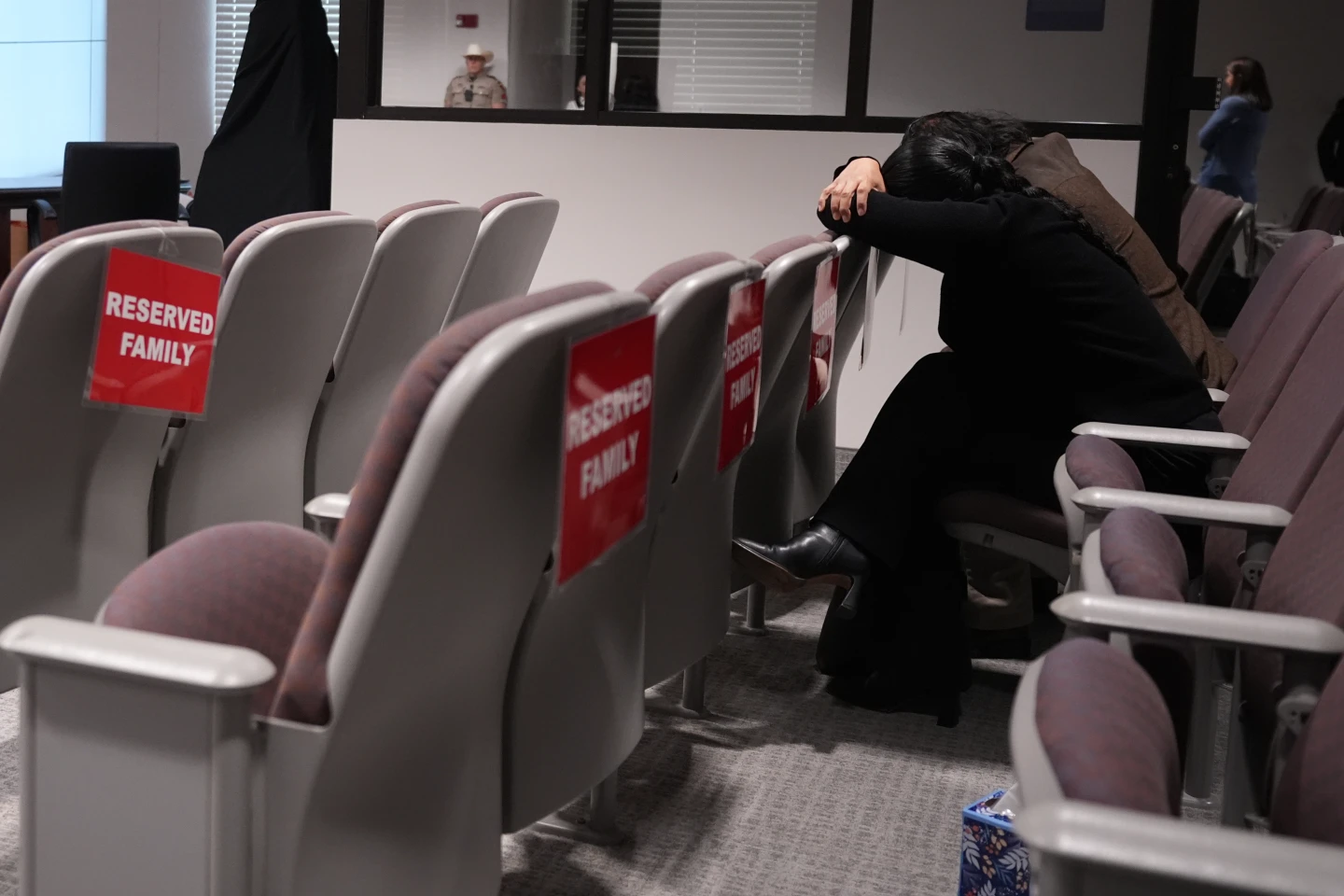
CORPUS CHRISTI, Texas (AP) — Families whose loved ones died in the Uvalde, Texas, elementary school massacre sobbed in court while listening to frantic 911 calls during the first day of testimony in the trial of police officer Adrian Gonzales, accused of failing to protect the children by not doing enough to stop the attack.
Gonzales arrived outside the school just before the teenage gunman went inside but allegedly didn’t act even when a teacher pointed to his location in the parking lot, according to special prosecutor Bill Turner. The officer entered the building only “after the damage had been done.”
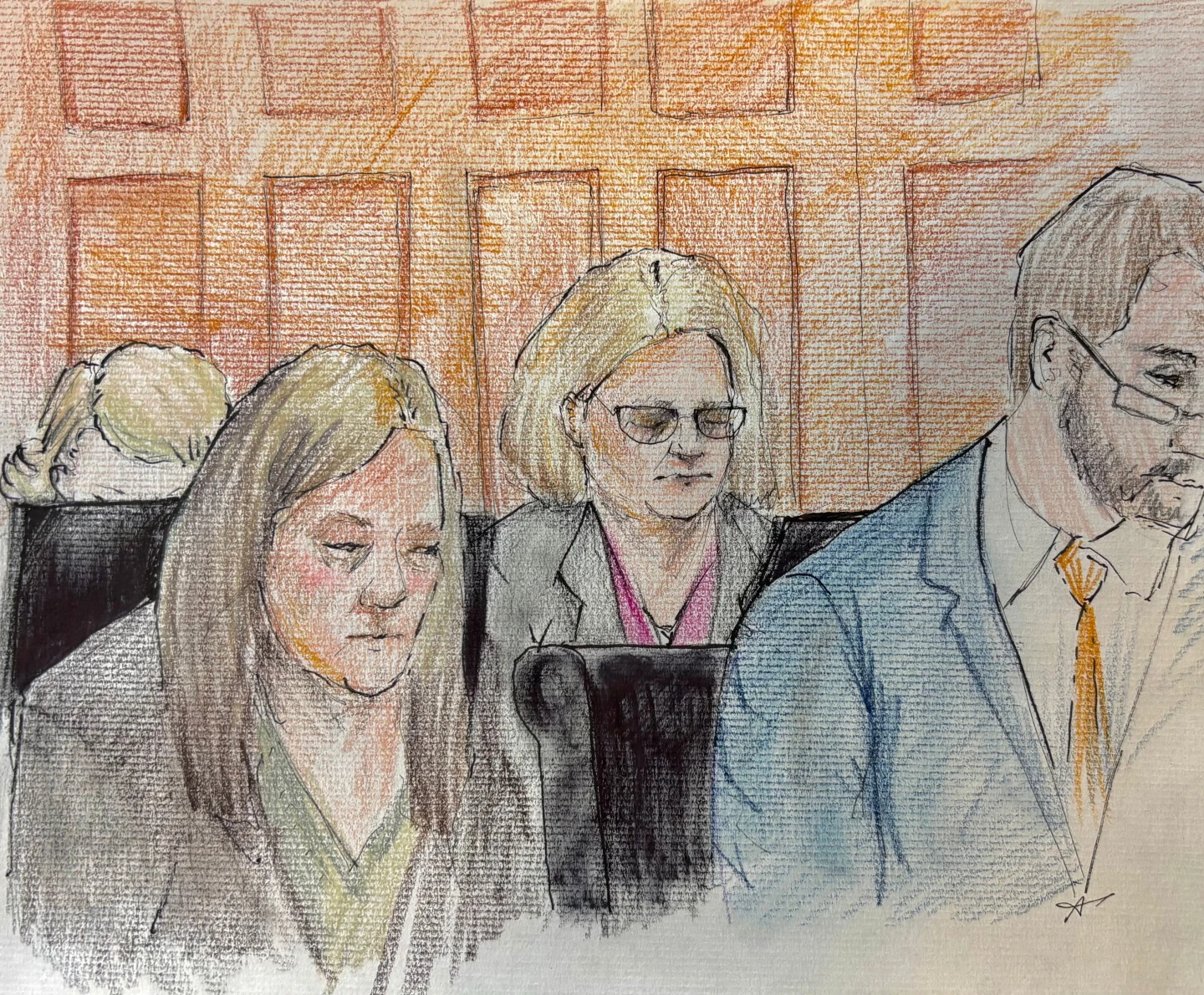
In the courtroom, families were offered tissue boxes, some visibly shaken as they listened to the calls for help and the anguished cries that filled the recordings. The emotional weight of the testimony raised concerns among the judge and attorneys about the difficulty jurors might face in processing the harrowing evidence.
Defense attorneys countered by arguing that Gonzales acted to radio for assistance and helped evacuate children, asserting he was not idly standing by. “He did what he could,” argued attorney Nico LaHood. Prosecutors, however, focused on Gonzales's inaction in the critical moments after the shooting began as other officers arrived.
Gonzales faces charges of child endangerment or abandonment and could be sentenced to two years in prison if convicted. As testimony is expected to continue, discussions surrounding police accountability and response to active shooter situations grow increasingly complex and emotional.
The trial follows investigations revealing significant lapses in police training and decision-making during the Uvalde tragedy, raising questions about the adequacy of law enforcement's actions in protecting students and staff.