Behind Nigeria's murky coup plot - the money, the prayers and a Nollywood arrest
For months, rumors about an alleged coup plot in Nigeria have surrounded the political landscape, but with recent indictments of six civilians, new details are emerging about an intricate plan reportedly aimed at ousting President Bola Tinubu. Scheduled for October 1, 2025, coinciding with Nigeria's 36th Independence Day celebrations, the coup was thwarted following a last-minute cancellation of the celebratory parade.
Details from court documents filed in Abuja suggest Colonel Mohammed Ma'aji as the alleged mastermind, with accusations that plotters aimed to destabilize the state before their attempted takeover.
The civilians currently facing trial cannot be tried in a military court; they include a serving police inspector and retirees from the military, all of whom have denied charges including treason, terrorism, and money laundering. Although not necessarily the core planners, their trial could uncover layers of involvement from various sectors of Nigeria's security forces.
A long history of military coups in Nigeria looms large, particularly as the country has been under civilian rule since 1999 when several West African nations have experienced burgeoning coups. Amid rising economic hardship and claims of a rigged political system, speculation about Nigeria’s future intensifies.
Unpacking the Allegations Against Colonel Ma'aji
Colonel Ma'aji, aged 50, has been identified as the chief strategist behind the coup plot. His military career experienced major developments in the oil-rich region of Niger Delta during a period marked by widespread oil militancy, where armed gangs carried out attacks and abductions.
Connections to influential oil businessman Timipre Sylva surface throughout allegations, suggesting Ma'aji coordinated with him during a political campaign. Sylva is also believed to be instrumental in financing the coup, having served as oil minister during the final term of former President Muhammadu Buhari.
Financing the Coup Plot
Details reveal the purchase of equipment for the coup required substantial funding, with implicated civilians reportedly given sums between 2 million to 50 million naira as parts of a broader financing scheme allegedly facilitated by Sylva, whose involvement is mentioned frequently in court documentation.
The Day of the Coup
Military insiders suggest plans for the coup included a storm of the Aso Rock presidential villa, with the intent to detain and potentially assassinate high-ranking government officials, including President Tinubu. Alerts concerning the plot prompted the cancellation of the October 1 parade, resulting in scores of arrests in the following days.
The Role of a Religious Figure
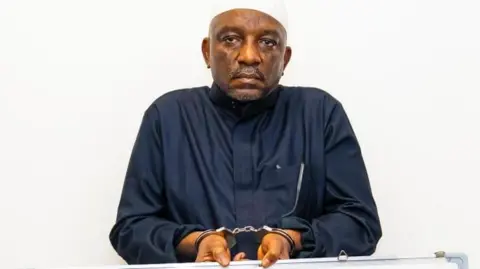
Amid this turmoil, Islamic cleric Sani Abdulkadir’s name arose as he was previously detained and later charged for his alleged role as a 'spiritual warrior' for the coup. Notably, he was awarded damages for prior human rights violations after being released.
Potential for Broader Indictments
As investigations unfold, the possibility of further indictments looms. Published reports cite several military officers under suspicion, and an investigation remains ongoing into the alleged roles of dozens of others. Notably absent from trial proceedings is Nollywood director Stanley Amandi, alleged to have served as a propagandist for the coup. His detainment has sparked concern within the creative industry in Nigeria, with representatives seeking clarity on his whereabouts.
The complexities surrounding this supposed coup attempt have sent shockwaves through Nigeria, harkening back to a nation with a troubled history of military uprisings, as the public remains anxious for clarity regarding its democracy's future.