In brief
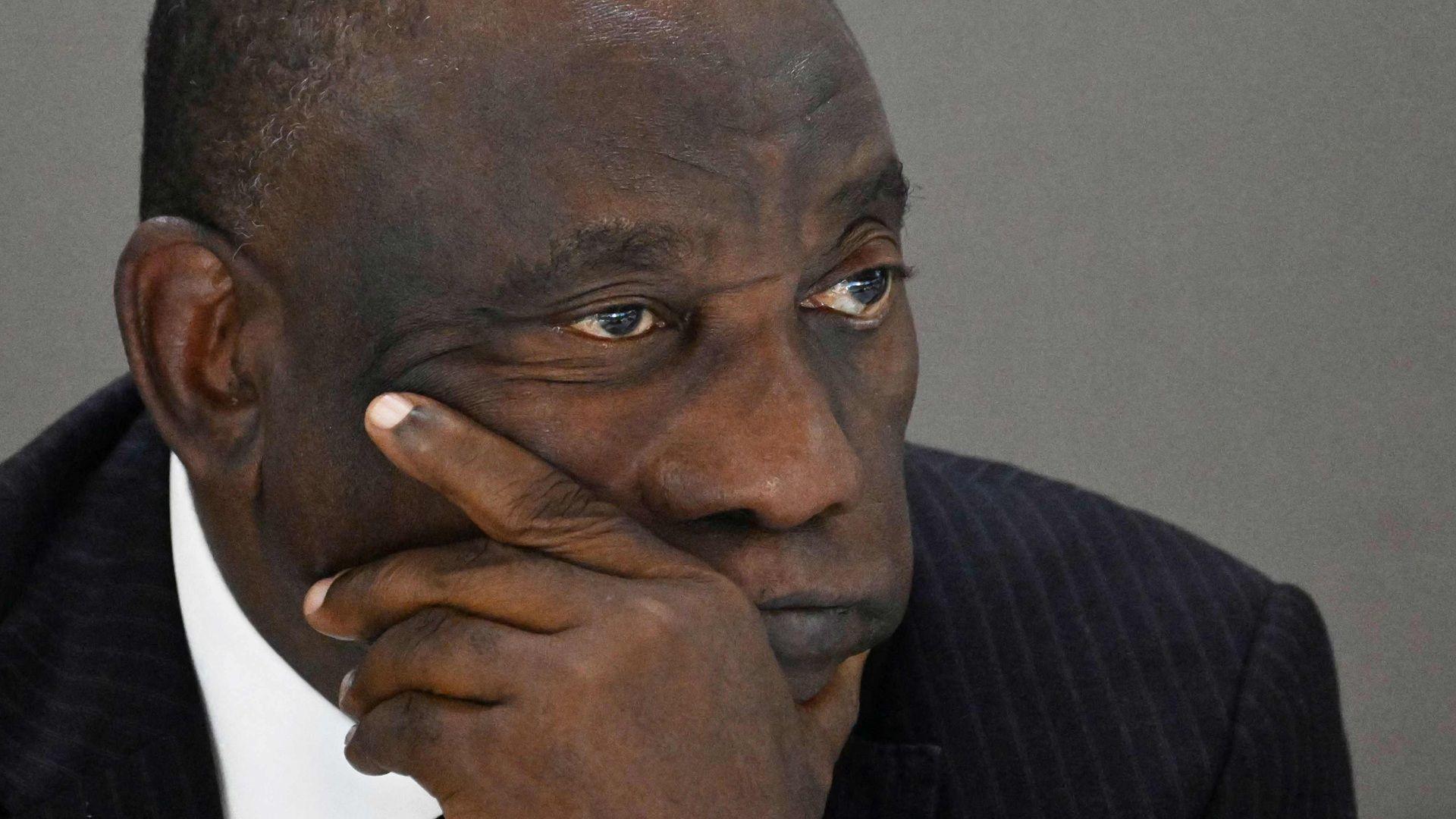
Ghanaian officials scrapped an August trip by South African President Cyril Ramaphosa amid fears that the visit would reignite xenophobic protests that displaced thousands of Ghanaian nationals. The decision follows a viral clip of Ghanaian activist Emmanuel Asamoah being confronted in Cape Town and the disappearance of the Ghanaian‑born Bahiru Isak who was allegedly killed during anti‑immigration rallies. Pretoria described the visit as a bilateral meeting and pledged diplomatic channels for a new date, while the African Union seeks to address the underlying tensions. The incident has led to a flurry of repatriation movements, with over 900 Ghanaians already back home and another batch expected in weeks.
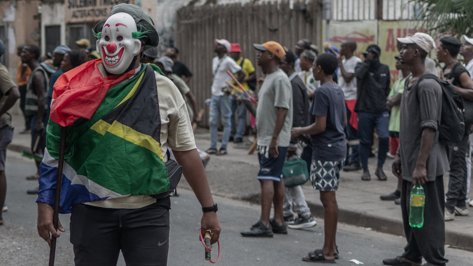
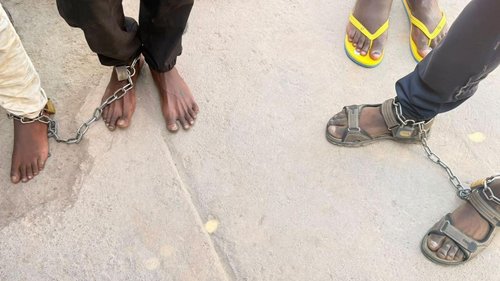
Accra has decided to cancel the first‑week‑of‑August visit by South African President Cyril Ramaphosa following a wave of xenophobic demonstrations that saw more than 900 Ghanaian nationals expelled from South Africa.
The move came after a viral video showed a Ghanaian activist, Emmanuel Asamoah, being harangued by protestors chanting “go fix your country.” The anger boiled down to the reported killing of Ghanaian resident Bahiru Isak in Cape Town, an incident that Ghana’s embassy immediately criticised as “unverified.” Pretoria has denied any such death, claiming that the only casualty was 35‑year‑old Kwabena Boagen, whose death the Justice Minister asserted was unrelated.
Ghana’s spokesman Felix Kwakye Ofosu told the BBC that the state visit would be deferrred because “the current environment around xenophobia is too volatile.” The country’s decision comes after a series of repatriations: Ghanaian citizens have already returned home in batches of up to 900 and the latest group of 900 expects to land within the next month.
The protests are part of a broader regional trend, with Sudan, Nigeria, Malawi and Kenya also beginning to pull their nationals from South Africa amid calls for “clear deadlines” and nation‑wide intimidation campaigns. Around 25,000 foreigners have been repatriated across Africa, according to UN estimates.
In a statement to Parliament, South Africa’s presidential spokesman Vincent Magwenya stressed the continuation of bilateral talks and emphasised a “commitment to deepening cooperation” between the sister nations. Yet the South African side has insisted the visit was never a “state visit” but a “bilateral meeting.”
Analysts warn that the tensions risk isolating South Africa from the African Union and skew the continent’s push for free trade. The African Union has already been approached by Ghana for a fact‑finding mission, as the Ghanaian government demands proof that expatriates were unharmed and that their documents were legitimate.