In brief
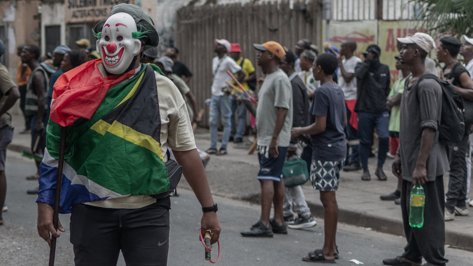
Ghana has postponed a planned state visit by South African President Cyril Ramaphosa after a surge of xenophobic protests saw hundreds of Ghanaians repatriated from South Africa. Accra’s government warned that the visit could spark further unrest, while Pretoria maintains a commitment to “deepening cooperation” and will seek a new date. The delay comes after a viral video of a Ghanaian activist telling a protester to “go fix his country” and reports of a Ghanaian fatality in Cape Town. African states are grappling with rising anti‑immigrant sentiment, and several have called for a fact‑finding mission to address casualties among foreign nationals. The diplomatic rift highlights the need for coordinated regional action to prevent further fallout.
Accra, July 7, 2026 – Ghana’s government has postponed a planned state visit by South African President Cyril Ramaphosa after a wave of xenophobic protests that forced the repatriation of over 900 Ghanaians from South Africa. The move comes amid growing tensions between the two nations over the treatment of foreign nationals.
What triggered the delay? In a viral video, Ghanaian activist Emmanuel Asamoah told a protester to “go fix his country.” The clip ignited a crisis of confidence in Ghana’s decision to host the South African head of state. Accra’s spokesman, Felix Kwakye Ofosu, released a statement saying the visit would be postponed due to “the present climate around xenophobia.”
Repatriation and casualties Ghana has moved more than 900 of its citizens out of South Africa, with a final batch expected in weeks. Other African states such as Nigeria, Malawi and Kenya have also pressed for the return of nationals amidst anti‑foreigner unrest. A Ghanaian national, Bahiru Isak, was allegedly killed on 30 June, though South African authorities say the incident is unconnected to the protests.
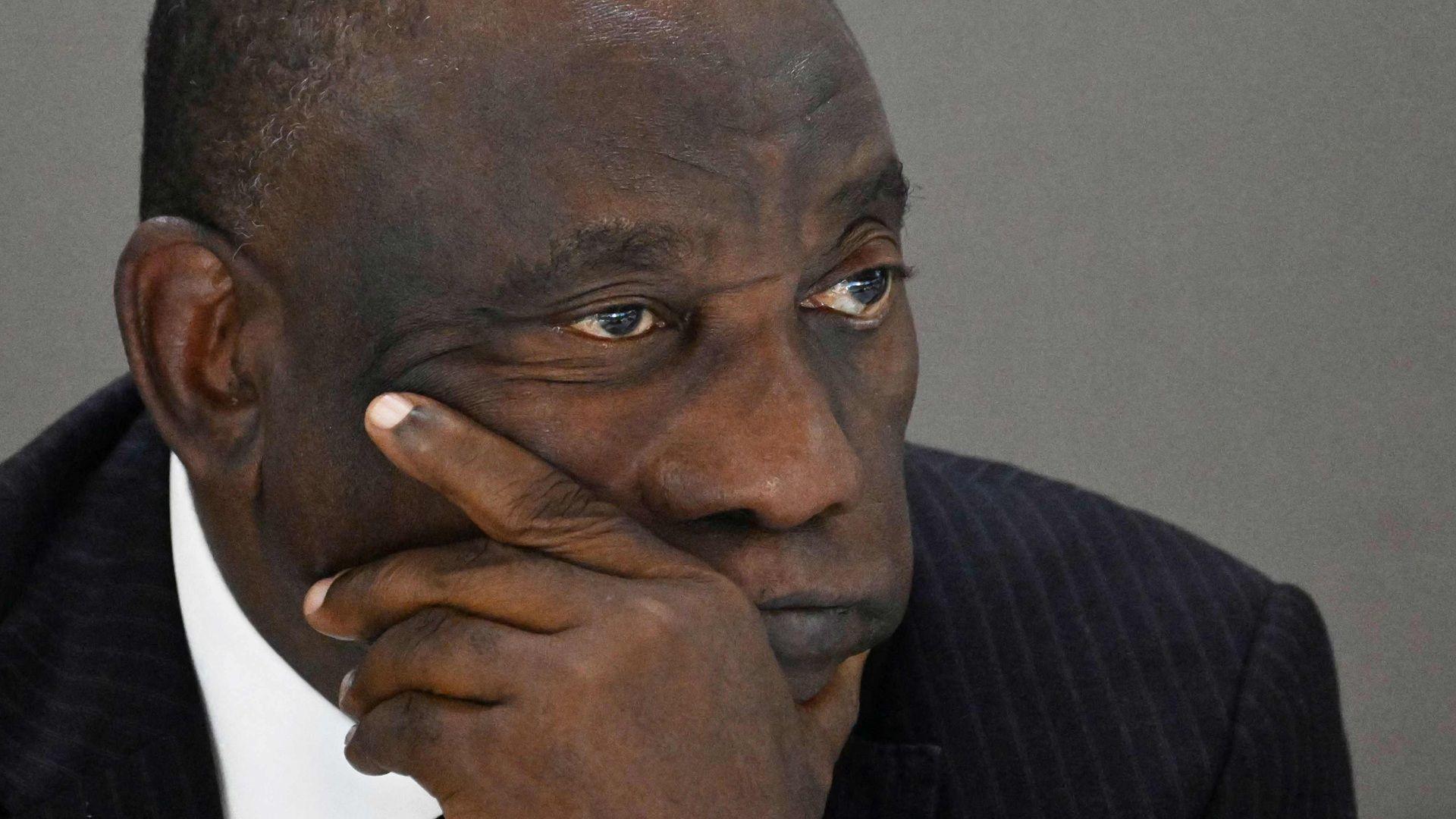
South Africa’s stance President Ramaphosa stated that peaceful protest is legitimate and that he will intensify efforts to tackle irregular migration. Pretoria’s spokesman, Vincent Magwenya, assured that both countries will engage diplomatically to reschedule the visit, stressing a commitment to “deepening cooperation” between the sister nations.
Regional implications Analysts warn that South Africa’s failure to address xenophobia could lead to political isolation on the continent. The African Union has urged a fact‑finding mission to investigate attacks on foreigners, which contravene the African Continental Free Trade Area agreement.
Fact‑check now PulseWire readers can help verify claims by posting independent evidence on our live chat. Use the hashtag #PulseWireFactCheck on Twitter, or click the links below to view source documents.