In brief
On 29 June two overcrowded boats left Myanmar’s Rakhine state carrying more than 500 Rohingya, and neither has been heard from since. Weather, weak vessels and a fragmented transport network suggest the ships may have capsized, leaving families in limbo. The incident highlights the desperate push of Rohingya refugees toward safer routes, the brutality of human smugglers, and the urgent need for safer, recognised passages across the region.
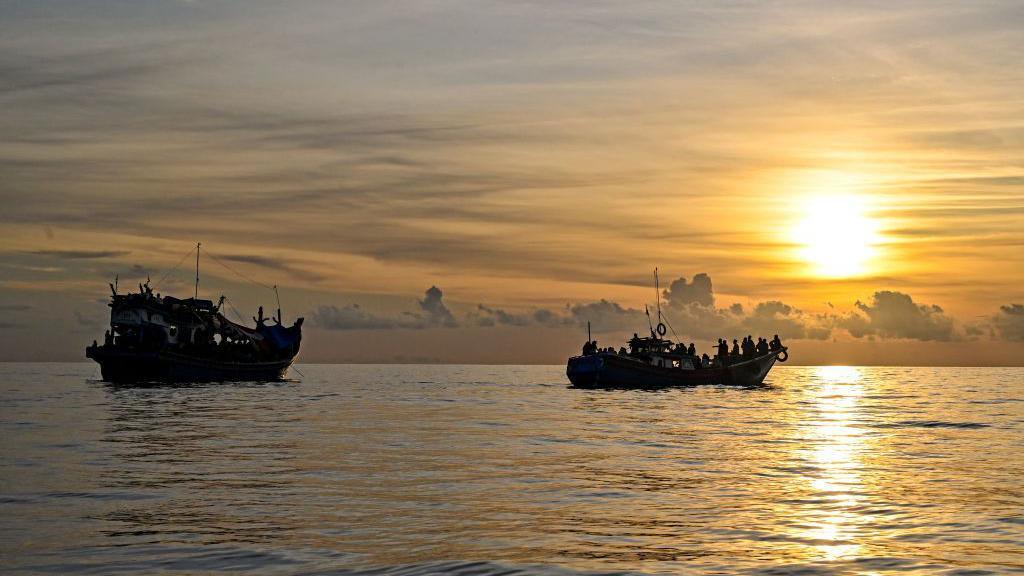
Two overcrowded boats, each built from old fishing trawlers and loaded with about 530 Rohingya, left Myanmar’s Rakhine state on 29 June and have not been seen again. The missing vessels are believed to have sailed on the bay’s roughest sea, where monsoon storms began to simmer and rough surf battered fragile engines. Chords of the water turned into silent records of lost lives.
Rakhine has been a battlefield for years, where the Arakan Army has pushed the Myanmar military into most of the state, leaving civilians in camps or in contested zones. Communications are often cut, making it hard for families to receive any news. Villages such as Sin Tet Maw, the departure point for the boats, have lost all direct contact with the outside world.
Chris Lewa of the Arakan Project has tried to piece together the likely fate of the vessels. From interviews and fragmented reports she has concluded that both vessels departed on the same day – one in the morning and the other later – heading south‑east towards the coastline where they could transfer refugees onto smaller boats to land. Her analysis points to the first ship capsize just hours after leaving, the second after a hard‑weathered several‑day journey.
At least one woman’s body washed ashore on the Bay of Bengal, and fishermen found more bodies nine days later. The tragic pattern reinforces the hypothesis that the boats sank, with most of the 530 believed dead – many of them women and children who had no chance of survival.
The Rohingya crisis extends far beyond Myanmar. Over a million live in overcrowded camps in Bangladesh where aid is dwindling and daily life is stifled by predatory gangs. The drive to leave the country, even by treacherous sea routes, has never been stronger.
Smugglers organize elaborate networks across Bangladesh, Myanmar, Thailand, Malaysia and Indonesia. A mother ship—often a converted trawler—captures refugees near Rakhine or Teknaf, Bangladesh, then drops them onto coastal villages in Thailand or Sumatra to avoid detection. The cost for families can reach 4,000 US dollars, coins the smuggler’s profit and blood of those who cannot pay. Those refusing to pay are detained, assaulted or coerced through video terror.
The smuggling routes have changed over time. In 2015 Thailand opened road blocks in mangrove camps and closed transit camps, loosening the filter for smuggled refugees. The discovery of mass graves in those camps prompted a swift crackdown. The boats that once headed to Aceh, Indonesia, now prefer Thailand as the intermediate corridor to Malaysia. Embassy statements confirm that Malaysian authorities are vigilant, often pushing vessels back into open waters, forcing smugglers to re‑optimize routes.
The UNHCR estimates that 4,700 people have fled in 74 boats during 2026, while Lewa estimates numbers could be 10,000 since September last year – a sharp increase compared to prior years. The UN calls for designated, safer routes, yet no country in the region has agreed to take responsibility for the refugees.