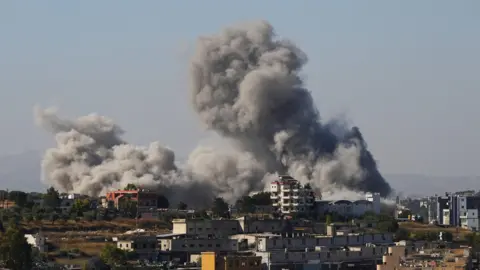
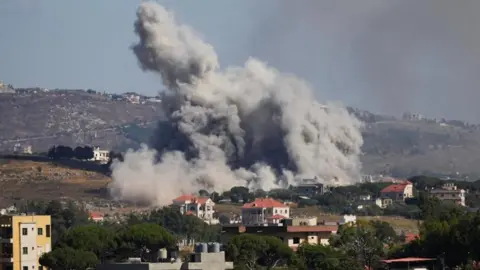
The long-standing regime of President Bashar al-Assad in Syria has fallen, sparking widespread jubilation that was notably felt across the border in Lebanon. This abrupt change, occurring after over fifty years of authoritarian rule, poses significant implications for the geopolitical landscape of the Middle East. The shake-up has prompted thunderous celebrations in areas previously oppressed under Assad's regime, as many citizens express hope for a more democratic future.
In recent years, the Middle East’s political map had been heavily influenced by the Iranian-led "Shia crescent," with Syria serving as a crucial conduit for Iranian support to militant groups, including Hezbollah, and as a key hold for Russia's naval presence in the region. However, the rapid downfall of the Assad government took American intelligence by surprise, despite previous assessments indicating a possibility for the regime to retain power, even through extreme measures such as utilizing chemical weapons.
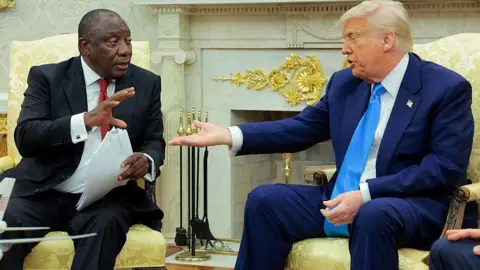
Current discussions in Washington revolve around whether rebel forces will expel Iranian and Russian entities from Syrian territory or seek a tactical reconciliation with these power players who have been instrumental in the regime’s survival throughout the protracted civil conflict. The intricacies of these relationships will likely determine Syria's next steps in the aftermath of this political upheaval, especially as President-elect Donald J. Trump prepares to take office once more, amidst a starkly altered geopolitical reality.
Already, the ramifications of this transition are echoing through the region, raising critical questions about the future of Syrian sovereignty, the influence of foreign powers, and the broader implications for Middle Eastern stability. With a new chapter suddenly upon Syria, the international community watches closely as it anticipates how this transformation will unfold amidst lingering uncertainties.