Freezing Kyiv: Families Pack Up in Wake of War and Winter
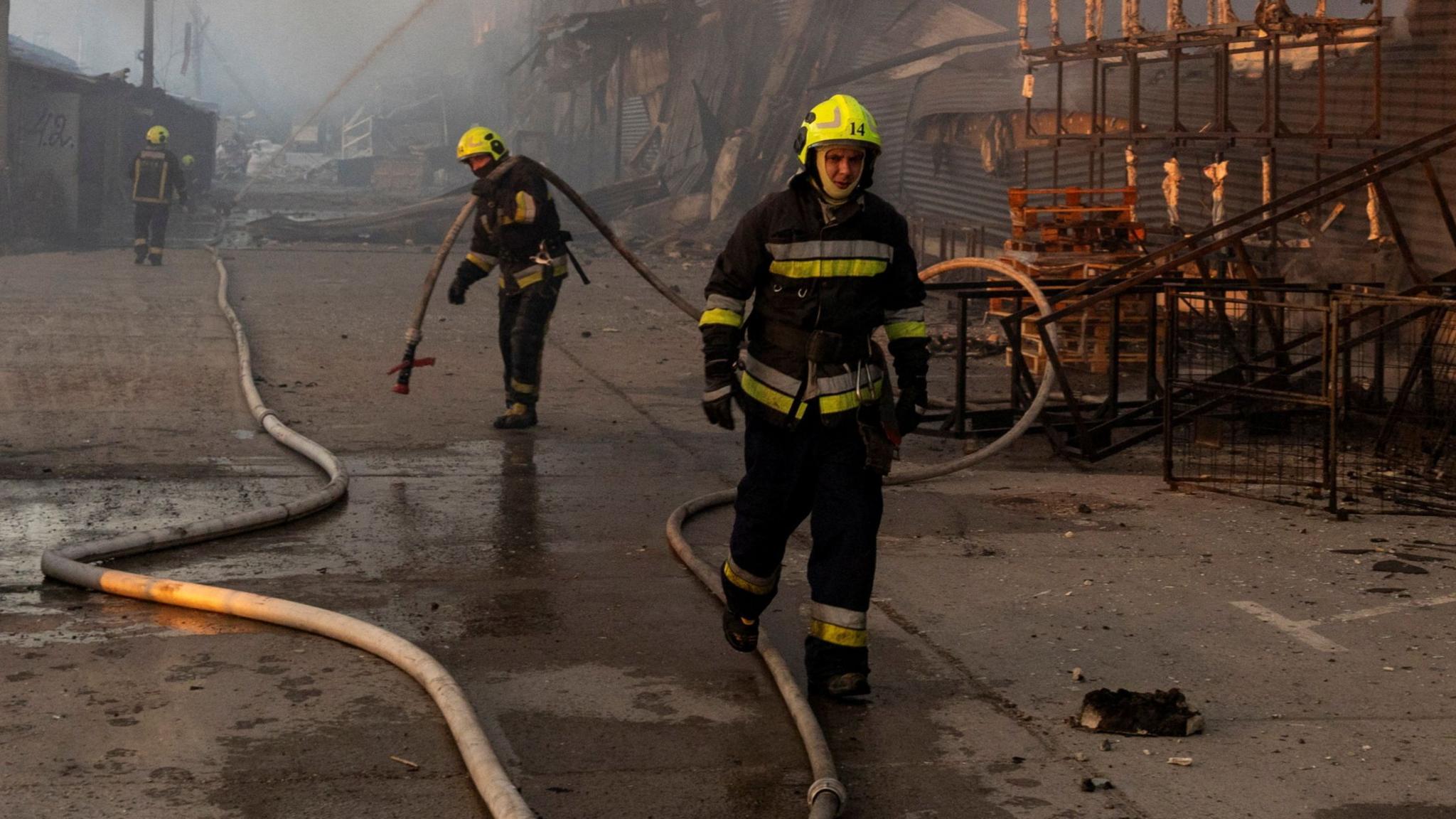
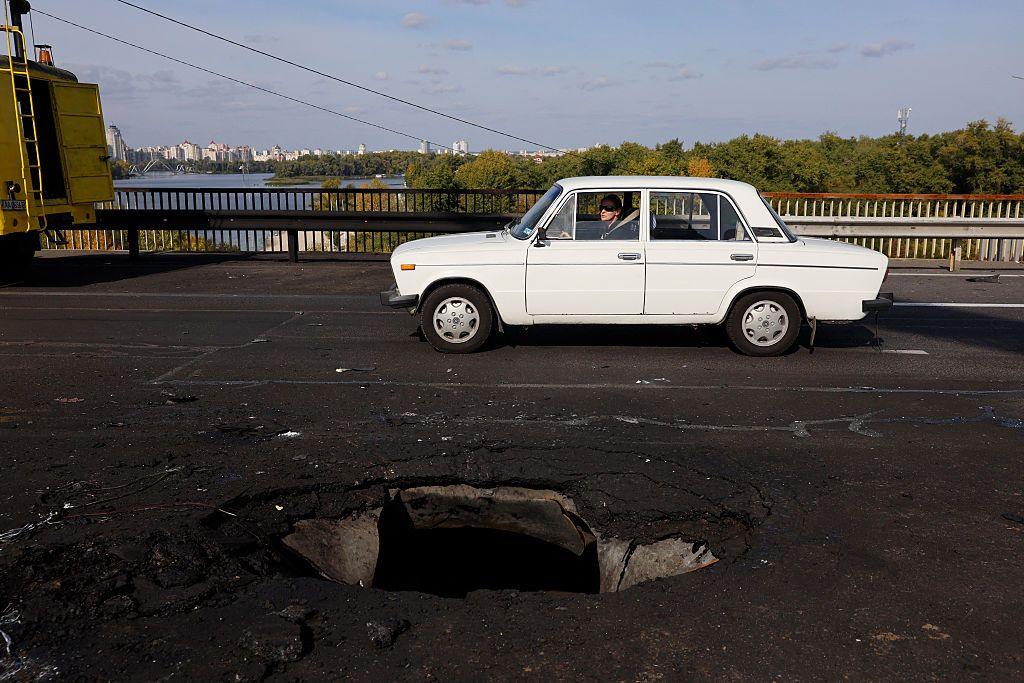
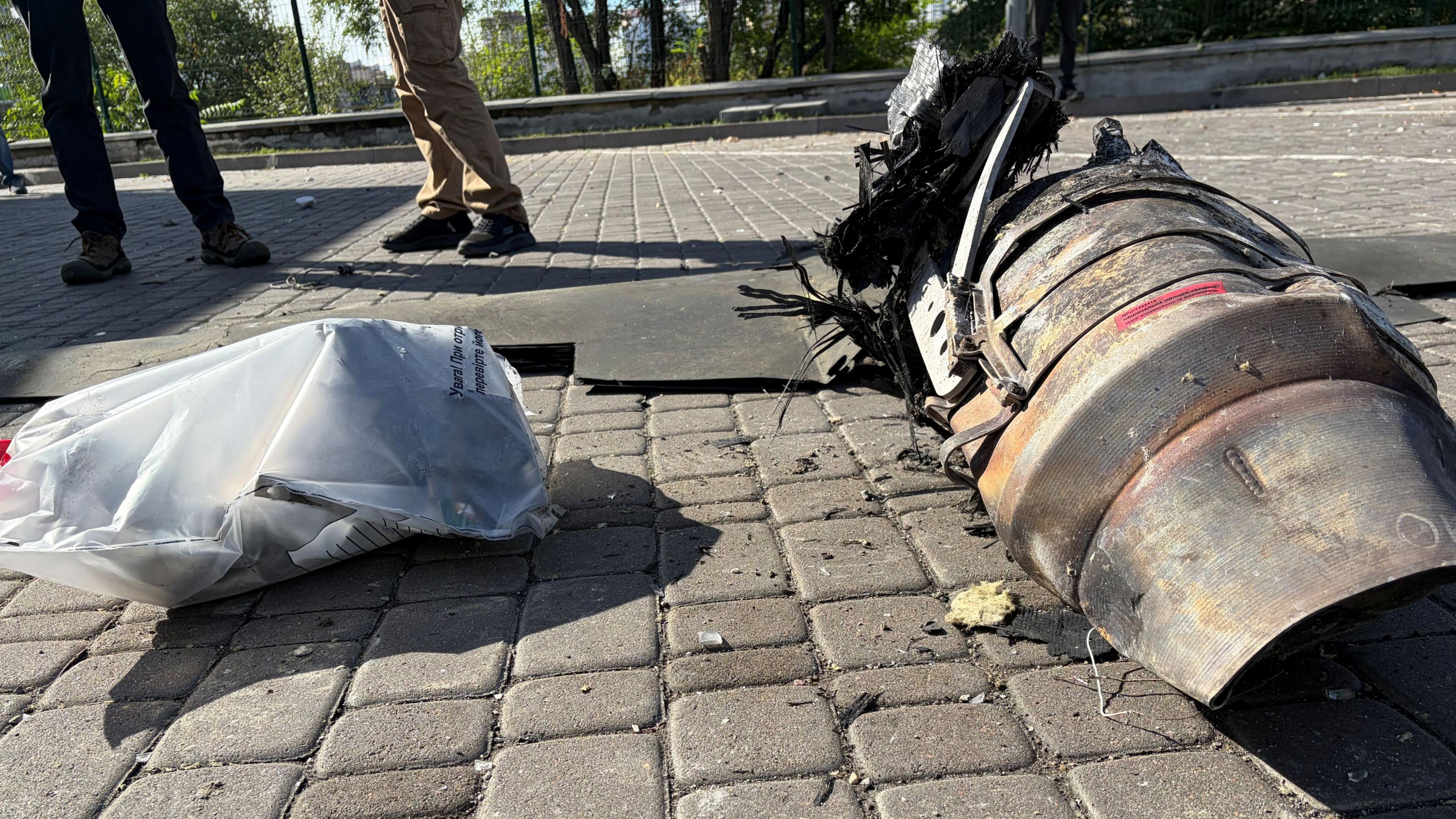
As the 2026‑27 winter sets in, Ukraine’s capital is battling not only sub‑zero temperatures but a steady tide of Russian drones and missiles. The nightly bombardments have made living in the city feel more dangerous than the cold itself.

The Dual Threat of War and Cold
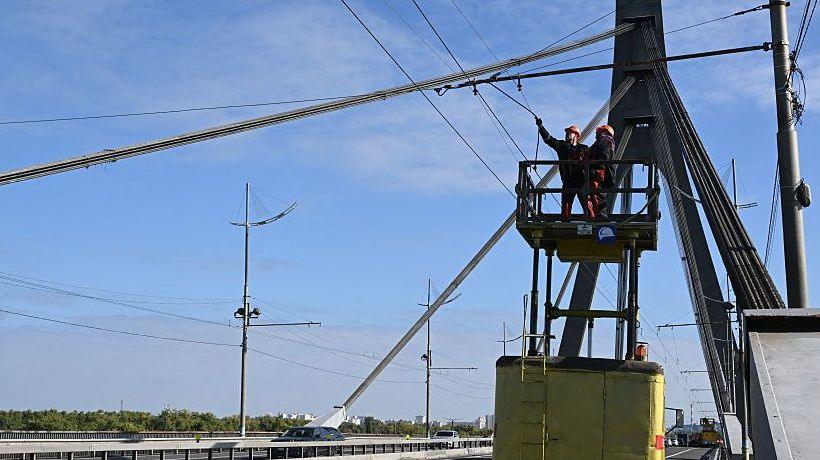
Mariia Shostak, mother of two, packed her small flat after the dates of repeated midnight strikes intensified. “The winter last year was unbearable,” she says, speaking of power cuts that persisted for weeks as the Russian attack on the grid faltered service.
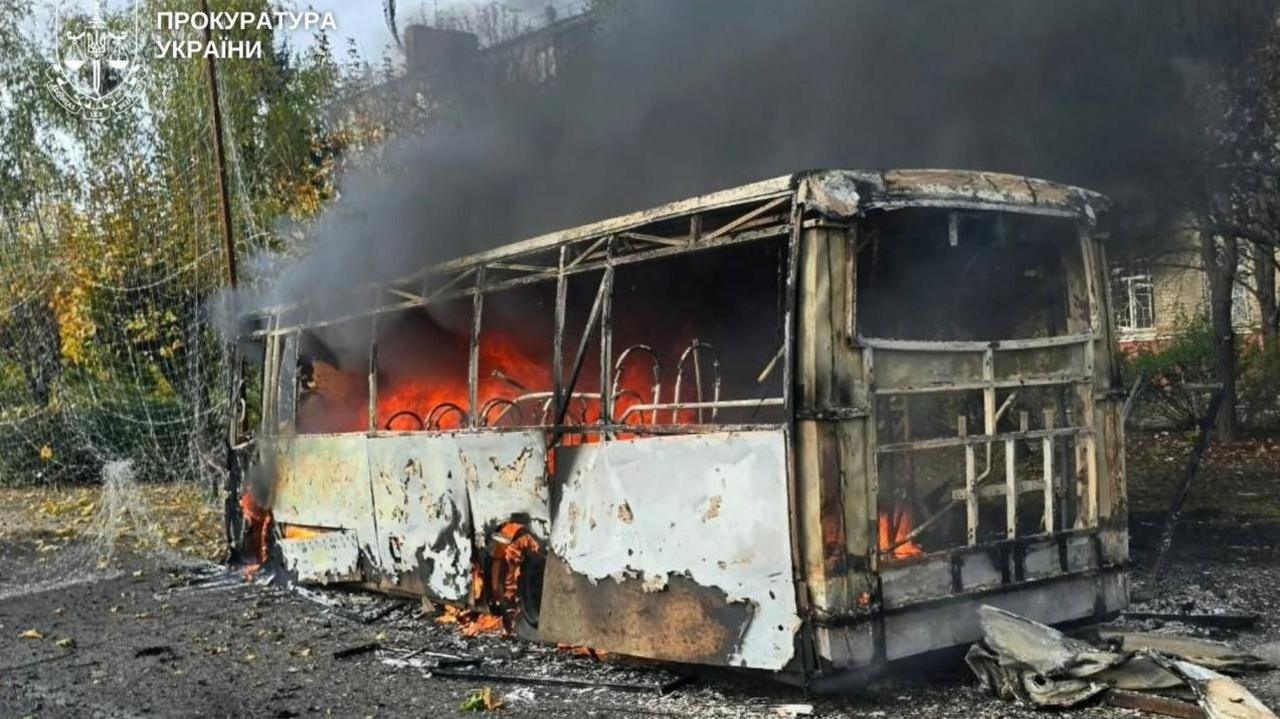
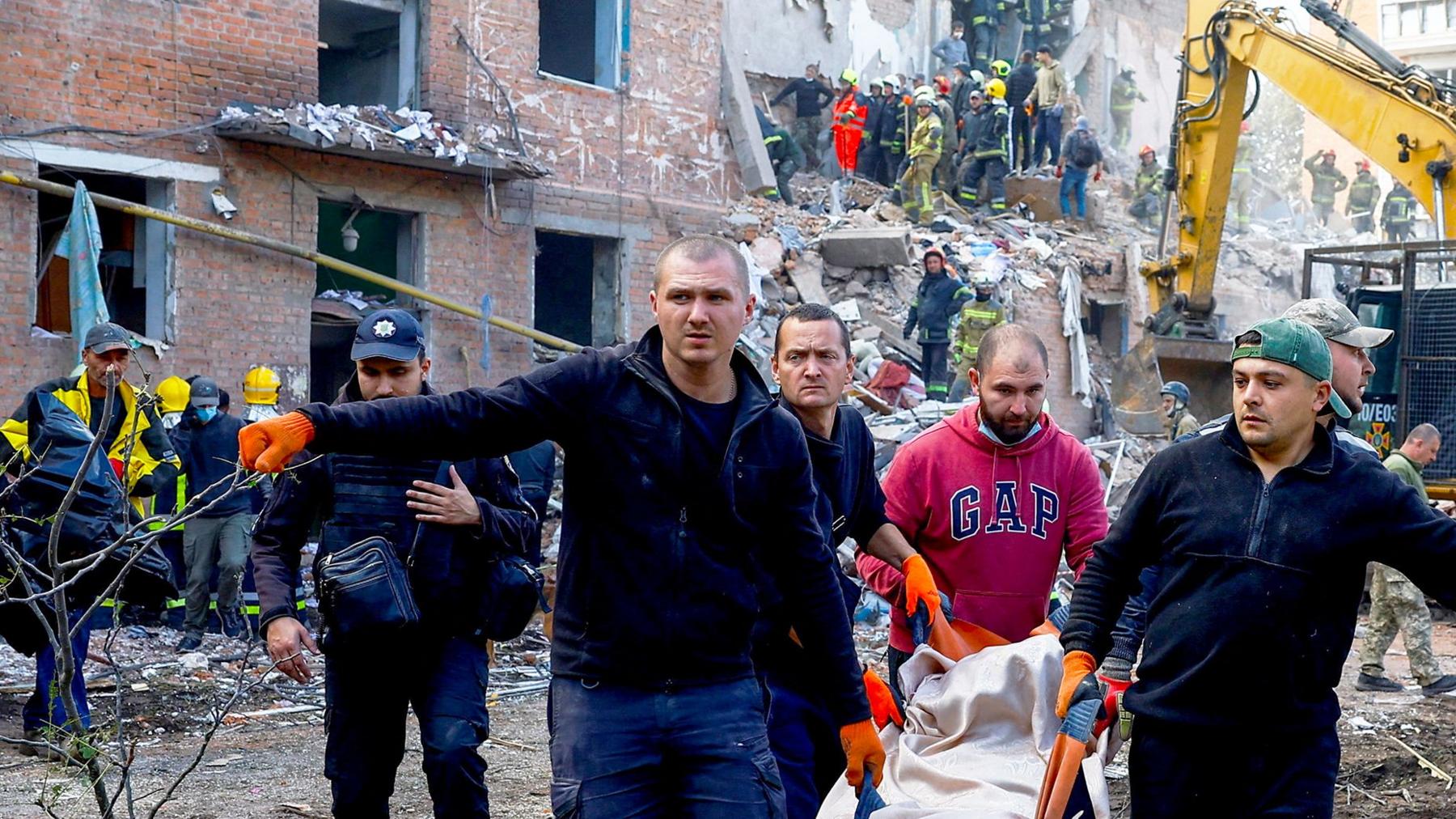
The new wave of attacks began in late August, shifting from the outskirts to the heart of Kyiv. Mariia recalls the stark reality of missiles and drones “hitting the centre, right above our heads.” Her children, born later this year, will not receive another winter marked by such peril.
Seeking Warmth Abroad
Unable to endure another icy, violent winter, Mariia plans to relocate the family to Hurghada on Egypt’s Red Sea coast—a decision driven by cost, comfort and the promise of years without a grey sky.
She emphasises, “I do not feel safe in Ukraine in any way.” The decision echoes a broader sentiment among Kyiv’s residents, many of whom are still weighing their options. According to a September survey by Gradus, 40% of respondents considered relocating if conditions worsened; 35% stayed, and 25% remained undecided.
A Shift to the Countryside
Others, unable to secure overseas travel or retire to upscale homes, have turned to rural outskirts. Olena Konoplia, for instance, settled in a cottage two hours from the capital, avoiding factories, railways and other possible targets.

Her cottage is equipped with gas heaters and a firewood reserve per the high‑speed internet needed for her work. In quieter surroundings, Olena reports sleeping peacefully, free from sirens and explosions.
Government Measures
In response, Kyiv authorities have converted sanatoriums and rehabilitation centres into temporary shelters for the elderly and families with young children. Additionally, a network of fifteen small‑scale power plants—constructed over eighteen months—coordinates to buffer energy outages, each protected by steel cages to guard against drone attacks.
Despite these efforts, many city residents continue to feel that their latched‑in circumstances may force an exodus once conditions become untenable. Evgeniya Blyznyuk of Gradus notes that most are postponing a move until life in Kyiv becomes truly unliveable.
For now, Ukraine’s capital endures the winter’s chill and the shadow of war, while families chart uncertain, ever‑changing paths toward safety.