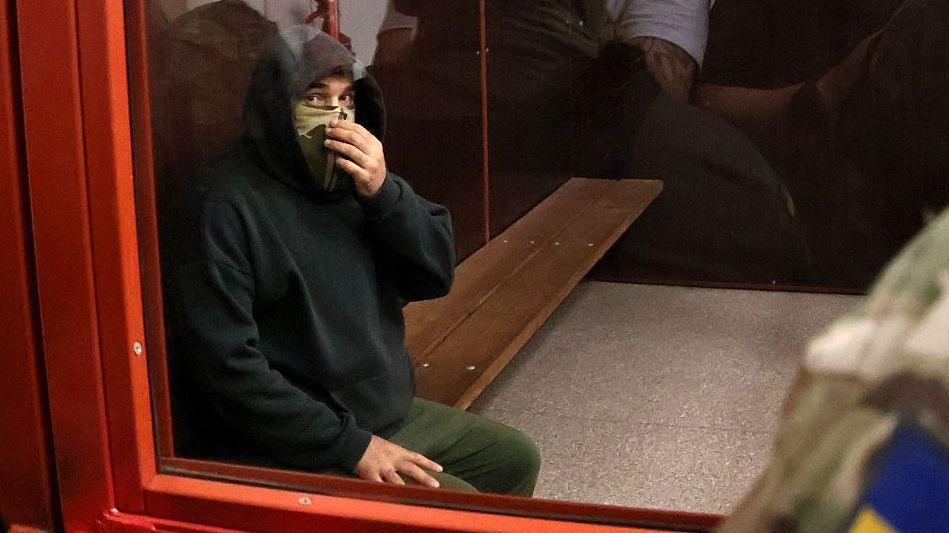
From a high‑security cell in Kyiv, former security‑services operative Vitalii Zhykovych told the BBC he believed the June bombing of Ukrainian‑born businessman Vadym Yermolayev in Monaco was ordered by senior members of Ukraine’s military‑intelligence agency, the HUR.
The incendiary device, left in a bag on Yermolayev’s doorstep, detonated as the billionaire and his 13‑year‑old son returned from a seaside dinner, leaving the family badly injured. Zhykovych says he was hired as a freelance agent for the SBU and that the woman, Anastasia Berezovska, caught on CCTV as the bomber, was his “agent.” He claims the plot was sanctioned by HUR’s “The Boss,” Vladyslav Reut, who managed to send Berezovska to escort herself to the site after Zhykovych declined to train her for the job.
After the blast, Berezovska was killed in a woodland clearing where Zhykovych and Reut allegedly shot her, each blaming the other for the killing. The case is now a high‑profile criminal inquiry, with authorities questioning whether the attack was a state‑ordered assassination or the work of rogue operatives.
Yermolayev, who recently renounced his Ukrainian passport and now holds Cypriot citizenship, has repeatedly denied any links to Russian‑occupied Crimea or organised‑crime groups, pointing to the complexity of the motive behind the attack. Zhykovych insists the motive was retaliation for Yermolayev’s alleged funding of the annexation of Crimea – a claim that, if true, would deepen the political stakes of the inquiry.
The U.S. and European communities have called for a transparent, independent investigation. HUR spokespersons maintain that they are cooperating fully with law‑enforcement bodies and that any official who authorised the operation is under scrutiny. Meanwhile, Belgian-Ukraine courts are reviewing evidence that could implicate not only Zhykovych and Reut but also other potential suspects tied to international covert operations.