Risky Route: Yemen Schoolchildren Glide Past Snipers to Learn
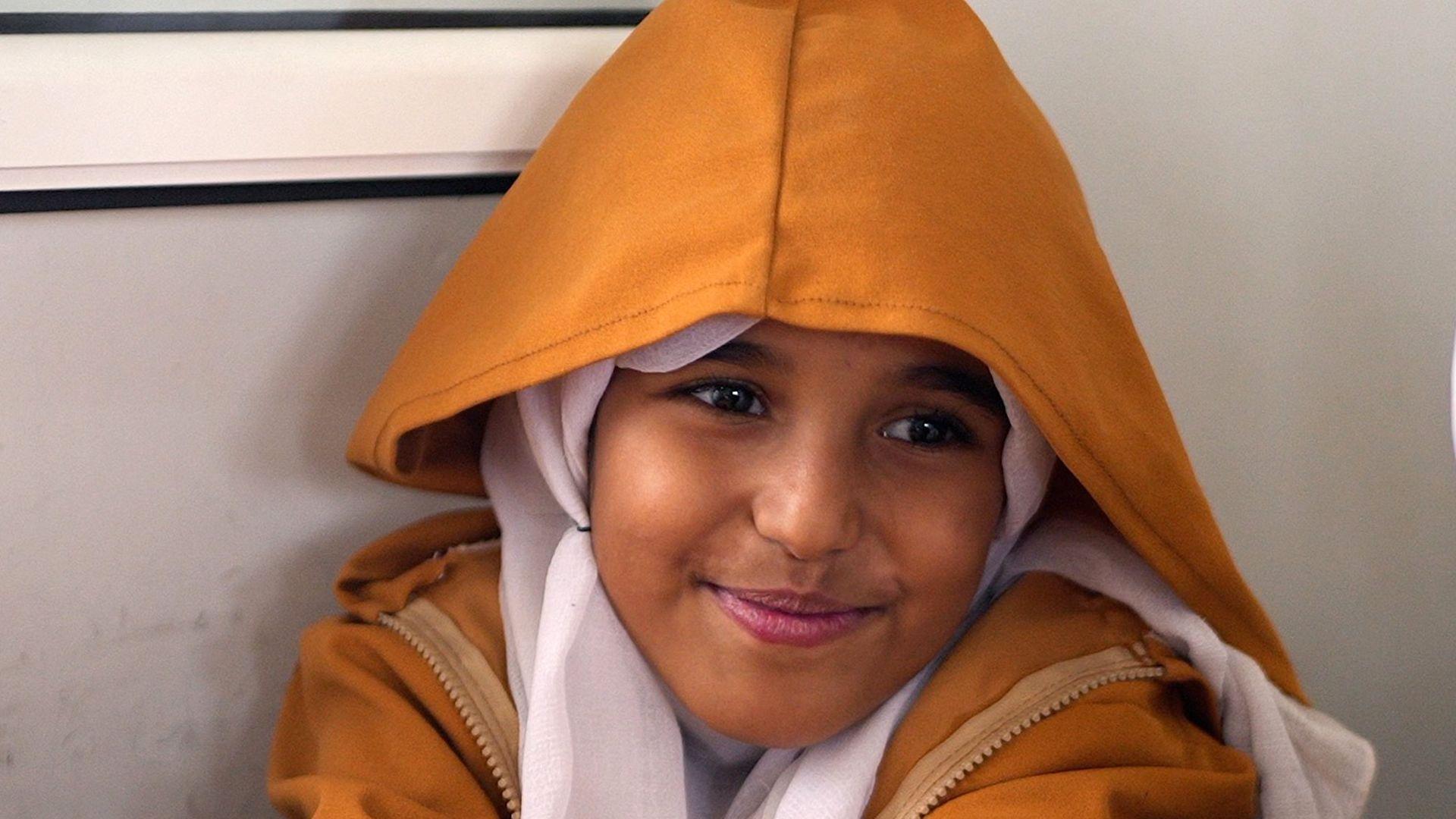
Every morning at six a.m., Rafeef, ten, and her brother prepare for school, dressing in a cream uniform. They look forward to classes as bright as their future hopes, but the path to their classroom crosses a mud‑laden slope that divides the city from a battleground.
On one side of the school the government holds, the other side—an empty valley—holds Houthi snipers. Rafeef’s parents steer her walk uphill, back turned, so she can’t see the rifles that stare down on the valley.
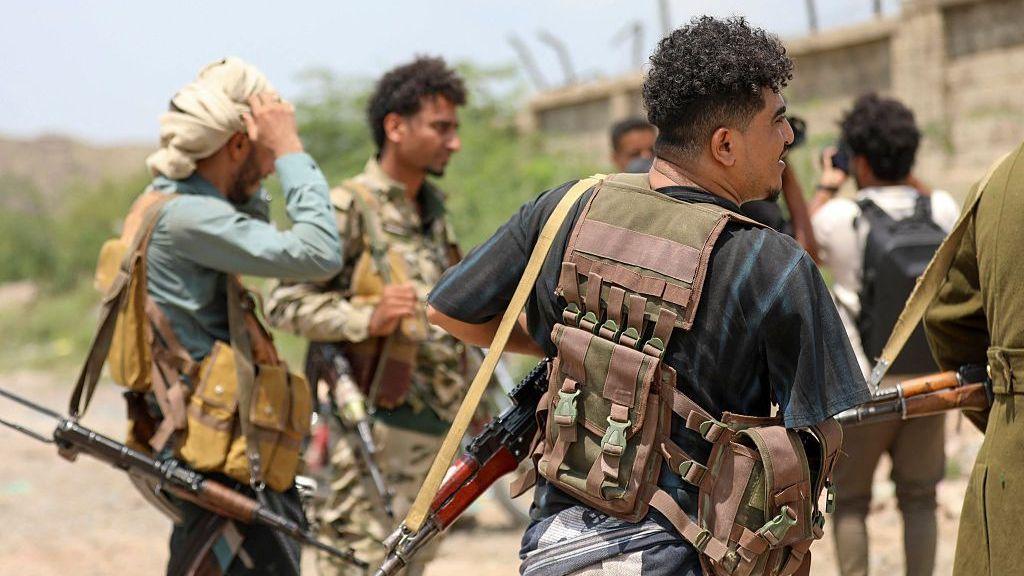
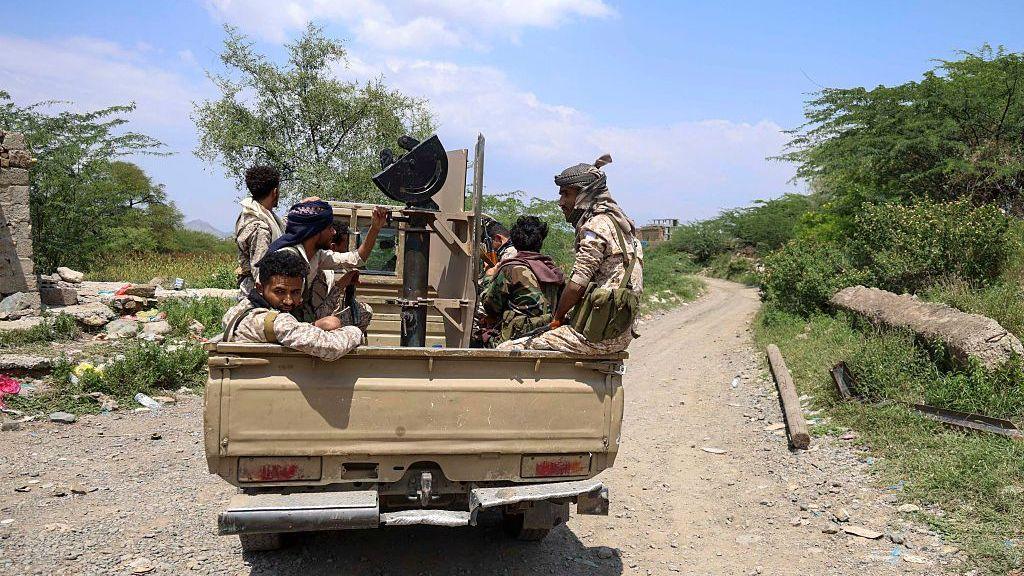
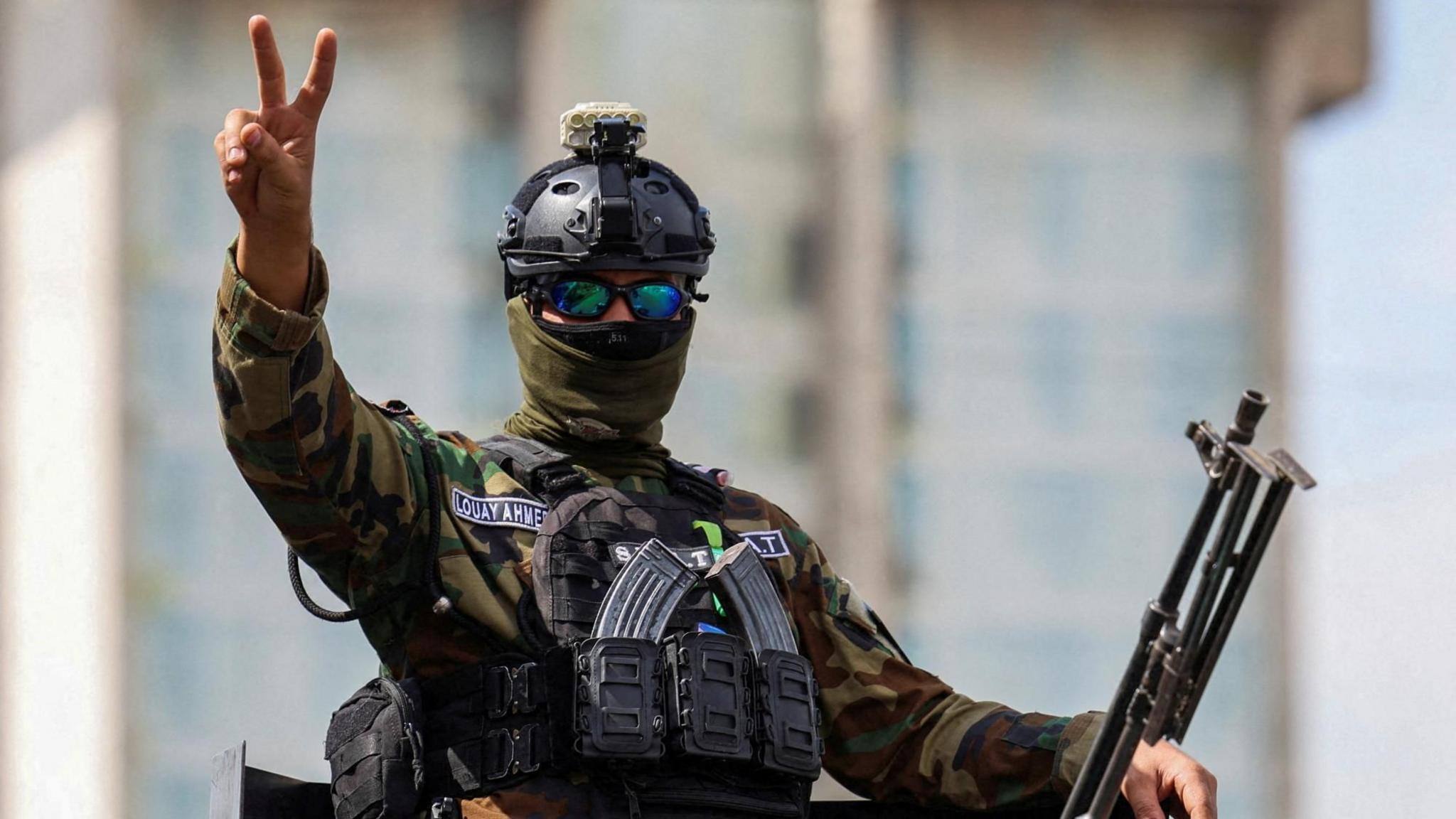
The city of Taiz has been a frontline since 2015, with the Houthis swinging in and out of control, using drones, mortars and bombs. Residents hear artillery and feel shockwaves even when only a building is hit.
Vividly, a mortar struck a mechanic shop two years ago, shattering a daughter’s arm, while the hole in the wall left a scar that still lingers on her arm. Rafeef remembers that day, the deadening air of fear that settled around her and her brother.
When the Houthis cut the supply corridor to Aden, the city’s escape routes closed, trapping civilians. Government forces now retake position in the Bab al‑Mandab area, fighting a war that spills beyond borders.
Shrapnel in the Heart
From a hospital fifteen minutes from the school, a nurse clutches a pair of sandals stained with blood. They belonged to a three‑year‑old boy, Ahmed, whose heart was pierced by shrapnel from a mortar that fell on a mechanic shop.
Amjad, an eleven‑year‑old on the same job site, was struck in lung and abdomen, walking to his home on a journey that eight hours later turned into a visitation that could save him with surgery. He now lies in intensive care, eyes shining as his mother prays beside him.
Other children are pulled from homes and sent to schools that have also been sprayed, a chilling reminder of conflict turning learning spaces into lethal zones. The school’s rooftop stands as a quiet testament to snipers watching over every morning walk.
Witnesses say everyday life is a gamble; the risk of death, of injury, of never seeing a sunrise or a final exam may keep them alive.