In brief
As the war in the Middle East unfolds, Iranian Americans like Ariana Afshar face difficulties in representing the voices of people in Iran, hindered by a government-imposed internet blackout. The growing presence of social media content from outside Iran highlights a critical information gap and differing perspectives within the Iranian diaspora. While some creators voice support for military actions, others emphasize the dire consequences for civilians, stressing the need for accurate representation amidst a flood of misinformation.
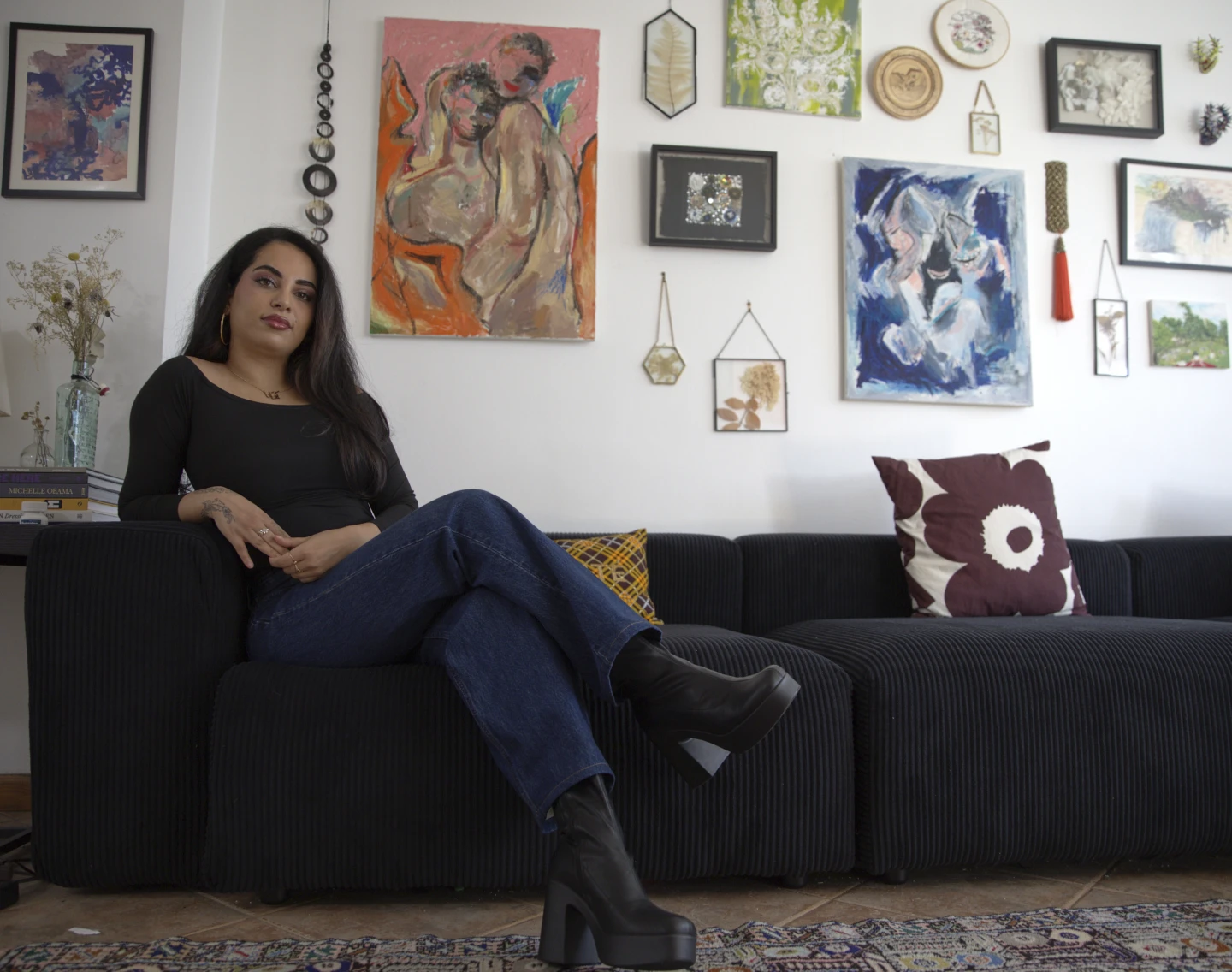
NEW YORK (PulseWire) — Iranian American Ariana Afshar has attempted to bridge the understanding of the first weeks of the war in the Middle East by sharing perspectives from people in Iran. However, the ongoing internet blackout enforced by the Iranian government has severely obstructed communications, making it nearly impossible to gauge the sentiments of those residing in Iran and related to Afshar personally.
This situation has resulted in elevated visibility for Iranian American voices on social media, where they are distilling Iran's complex history and diverse citizen perspectives into engaging videos tailored to the expanding appetite for information in the U.S., particularly as online search interest in Iran's involvement in the conflict surged dramatically.
Some observers argue that the dominance of these external voices has deepened divides within the Iranian diaspora, which numbers approximately 750,000 in the United States, according to the Pew Research Center. Afshar states, “It’s a huge problem among the Iranian diaspora, where they speak for Iranians a lot. I don’t want to fall into that.”
Many creators are confronting the issue of presenting conflicting narratives; while some advocate for military action against Iran, citing governmental atrocities, others warn against the potential humanitarian crisis that could ensue. Afshar, with a significant following on platforms like Instagram and TikTok, utilizes her platform to deconstruct pro-war narratives stemming from her dual experiences in the United States and Iran.
Academic experts highlight the role of the Iranian diaspora in shaping narratives about the conflict while emphasizing the emotional response rather than informing from first-person accounts—a gap exacerbated by communication barriers due to digital blackouts and fears of government retribution.
With content creators unable to capture robust opinions from inside Iran due to pervasive communication restrictions, misinformation proliferates, muddying the waters even further. In a fast-moving information landscape, the challenge remains to separate fact from fiction while addressing the humanitarian concerns of everyday Iranians caught in the turmoil.