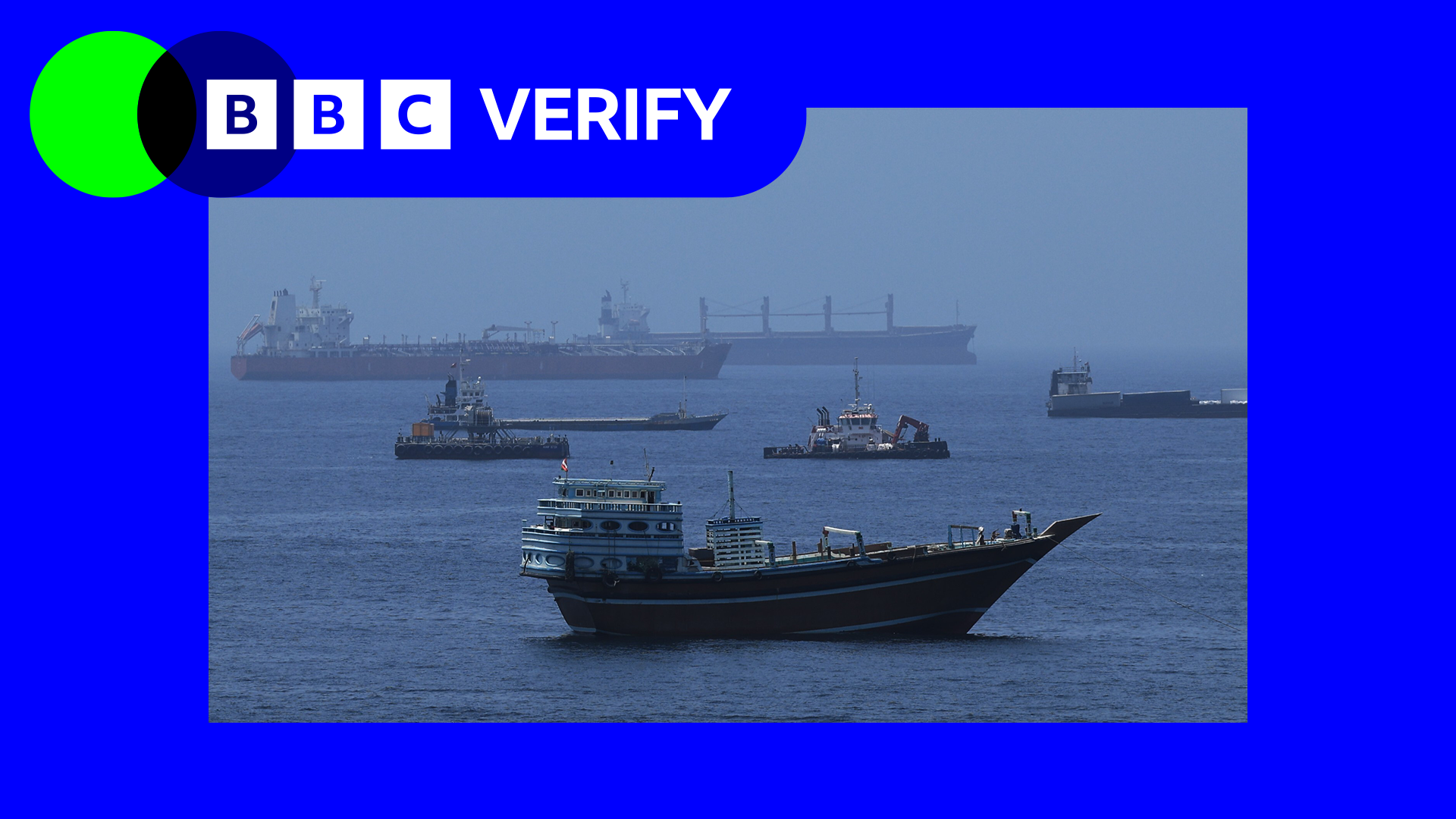
Never. That’s the stance from senior Iranian lawmaker Ebrahim Azizi regarding relinquishing control of the vital Strait of Hormuz, a strategic passage for global oil and gas shipments. Speaking with the BBC, Azizi, a former commander in Iran's Islamic Revolutionary Guards Corps (IRGC), stated, It’s our inalienable right. Iran will decide the right of passage, including permissions for vessels to pass through the Strait. He further revealed that a bill is being introduced in parliament aimed at solidifying this control under the premise of national security, maritime safety, and environmental considerations. The directive comes amidst worries that the ongoing conflict in the region could further disrupt this essential waterway. Azizi described the Strait as a crucial leverage point for Iran, strategically used in negotiations and conflicts. Neighboring countries, however, express heightened concern over Iran's assertive stance, warning it may set a dangerous precedent for control over international waterways. Dr. Anwar Gargash, a diplomatic advisor from the UAE, dubbed Iran's positioning as an act of hostile piracy, reflecting the serious geopolitical implications as control of this strait is debated. Despite external criticisms, Azizi maintains that Iran's maritime authority is non-negotiable, representing a robust stance from Tehran in light of a complex regional climate.
Iran Reaffirm Control Over Strategic Strait of Hormuz Amid Rising Tensions

Iran Reaffirm Control Over Strategic Strait of Hormuz Amid Rising Tensions
In a firm declaration to the BBC, Iranian politician Ebrahim Azizi emphasizes Iran's unwavering claim over the Strait of Hormuz, affirming legislative actions to solidify this control and highlighting its implications for regional stability and global shipping.
Ebrahim Azizi, a senior member of the Iranian parliament and former IRGC commander, declares that Tehran will never relinquish control over the Strait of Hormuz. He outlines plans to legislate this control, emphasizing Iran's right to manage maritime passage, which may impact global trade and heighten tensions with neighboring countries. The discussion arises amid a backdrop of military escalation and diplomatic negotiations over regional security and access to vital trade routes.