In brief
Esmail Khatib, Iran's intelligence minister, has been confirmed dead following an Israeli airstrike. This event marks a significant escalation in the ongoing conflict, which has already seen numerous high-ranking Iranian officials targeted. Iranian President Masoud Pezeshkian labeled the attack as a 'cowardly assassination', indicative of deepening tensions. The assassination comes in the context of ongoing military aggression between Iran and Israel, amidst a backdrop of escalating violence since the beginning of the war.
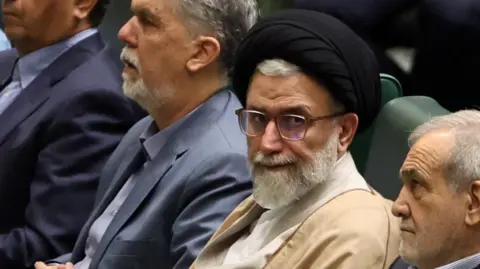
Iran's intelligence minister Esmail Khatib has been killed, the country's president has confirmed.
Masoud Pezeshkian said the cowardly assassination had left Iran in deep mourning, after Israel said on Wednesday it had killed Khatib in an air strike.
The incident follows a day after Israel announced it had also killed Iran's top security official, Ali Larijani, and the head of the paramilitary Basij force, Gholamreza Soleimani, in strikes. Since the assassination of Supreme Leader Ayatollah Ali Khamenei on February 28, multiple senior Iranian officials have been targeted in attempts by Israel and the US to undermine the regime's leadership.
Pezeshkian expressed condolences to the Iranian populace, stating that he was certain their path will continue more steadfastly than before despite these losses. Meanwhile, sentiments from the Iranian public reflected mixed feelings, with some suggesting that Khatib's removal might lessen the risk during protests.
Israeli Defense Minister Israel Katz declared that Khatib had been eliminated in an Israeli military operation in Tehran. He noted that Prime Minister Benjamin Netanyahu had authorized the Israeli Defense Forces to proceed with similar actions against senior Iranian officials without additional approval.
The IDF justified the assassination by claiming that Khatib had significantly contributed to Iran's repression and crackdown on protests.
Since the onset of the conflict, the Iranian government has reported over 1,300 casualties from Israeli and US strikes, including numerous civilians. The ongoing military tensions have led to retaliatory strikes from Iran, escalating the conflict across the Middle East.
The war's repercussions extend globally, with surging oil prices following disruptions in critical maritime routes.