India’s toy supply chain has been a stark symbol of the country’s early steps toward protective tariffs and recent tightening of Chinese dependence.
Six years ago, the government slapped 60% tariffs on imported toys, later raising them to 70%. The move knocked foreign‑made toys from 70% of the market down to a third, lowering the sector’s imports from $300m in 2020 to $100m in 2026 and pushing exports from $129m to $200m.
Despite this win, India’s overall trade with China has exploded. The deficit has ballooned from $44bn in 2020 to $112bn this year, a move that experts describe as “the most asymmetric” global trade relationship.
Kevin Zongzhe Li, an Asia Society fellow, points out that China supplies over 30% of India’s industrial imports and is the source of more than 100 critical products. Ajay Srivastava of GTRI warns that if imports keep rising, the deficit could hit $134bn, giving Beijing even more leverage.
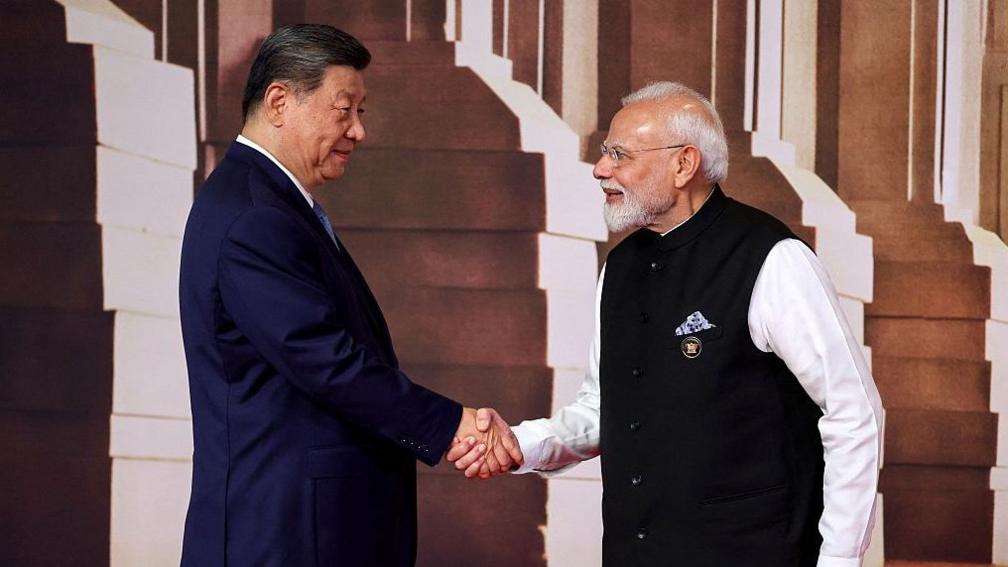
In September 2026, at the BRICS summit, Prime Minister Narendra Modi and President Xi Jinping promised to tackle “structural trade imbalances and supply‑chain issues”. But the reality is that India’s manufacturing is heavily assembly‑based, relying on Chinese components for smartphones, solar panels, batteries, chemicals and industrial machinery.
Electronics imports account for 36% of India’s overall imports, followed by machinery and mechanical appliances at 21.7%, and organic chemicals and plastics. A disruption in Chinese supply could cripple domestic production, not just consumer imports.
China’s own excess capacity—from steel to EV panels—feeds its trade surplus, which is expected to top $1tn for a second straight year. The surplus is partly driven by manufacturers selling goods cheaply to markets like India, especially as Western tariffs push Chinese goods toward cheaper competitors.
To reduce dependence, India must strengthen its manufacturing base. This requires sector‑specific policies, affordable power, credit, efficient logistics and stable regulations—areas where India still lags. Recent liberalisation of foreign direct investment could attract Chinese firms, but approvals should prioritize technology transfer, local value‑addition and export‑friendly production.
Another lever is to improve Indian access to the Chinese market. Li warns that improved diplomatic ties without reciprocal market access could leave India’s economic dependence unchanged. He suggests focusing on export‑oriented sectors like pharmaceuticals, which align with China’s aging population and rising healthcare costs.
Ultimately, narrowing a $112bn deficit must combine local industry building with strategic trade negotiations. India’s future will hinge on whether China is ready to adjust market barriers and whether domestic policy can drive supply‑chain independence.

Read more on the BBC: India’s trade challenge with China