Police Harassment Claims Surface Amid Delhi Voter‑Roll Protest
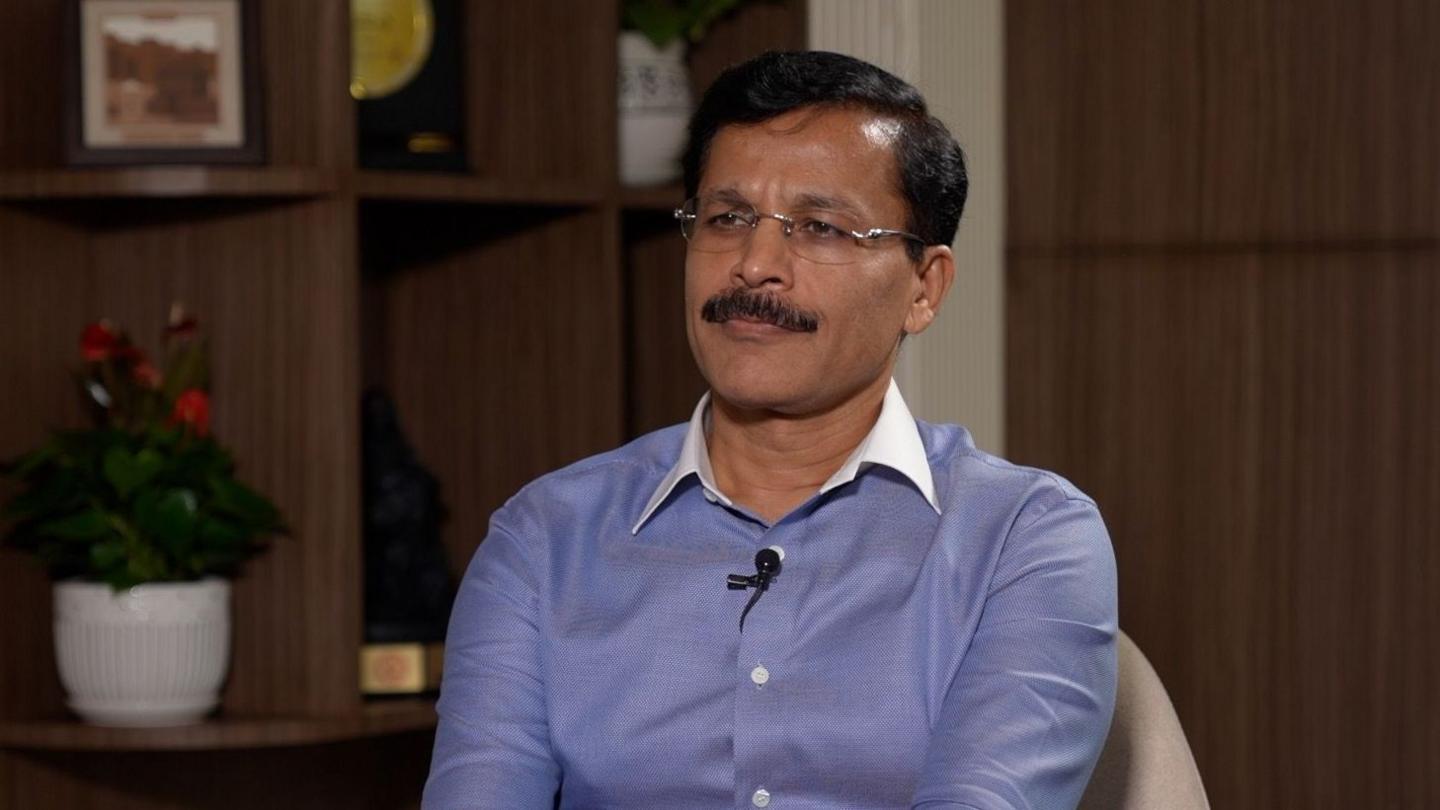
Three female journalists have accused Delhi police of sexual harassment during a street protest that was staged to demand the resignation of Chief Election Commissioner Gyanesh Kumar over the recent overhaul of India’s voter rolls. The allegations surfaced on Saturday after police detained scores of young activists calling for the chief election commissioner’s step‑down.
The protest, which took place at Jantar Mantar in central Delhi, drew thousands of demonstrators from both Delhi and Mumbai on Sunday. The demonstrators contend that the Special Intensive Revision (SIR) of the electoral rolls could disproportionately benefit the ruling Bharatiya Janata Party (BJP) and that Gyanesh Kumar has overseen the process for the past year.
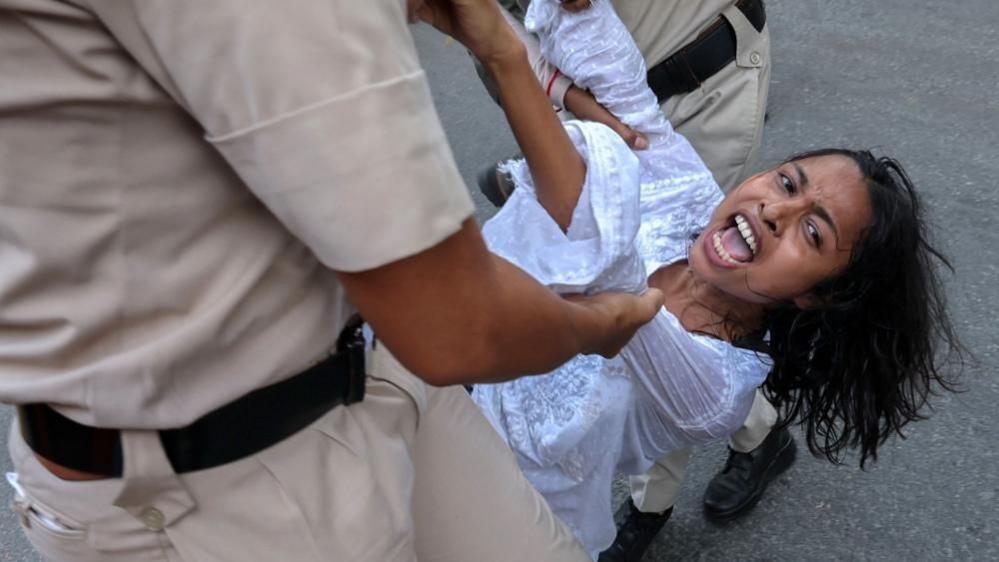
Video footage circulating online shows police officers forcibly dragging protesters away from the crowd. The three women now allege that certain officers in uniform touched them inappropriately and pulled them by their hair.
Delhi Police released a statement saying it had recorded the complaint and transferred it to its crime branch for a “fair and impartial” investigation. Nonetheless, political opposition is pressing for a review of the police’s tactics and broader accountability.
Opposition leader Rahul Gandhi tweeted that women fear for their safety and called on the Home Ministry to respond to the police allegations. The protests have intensified scrutiny over the Election Commission’s decision‑making, which has been called out by critics who see the revisions as a strategy to strengthen the BJP’s electoral advantage.
The incident comes amid an escalating debate over electoral reforms, as the Election Commission has defended the SIR process—citing the removal of 130 million duplicate and ineligible entries—as essential to maintaining the integrity of the voter registry. The controversy has prompted calls from opposition parties for Gyanesh Kumar’s resignation, citing “differing views” that should not cloud decision‑making during a crucial electoral period.